Building a custom home isn’t just about choosing countertops or paint colors, it’s about designing a space that truly reflects your life, your needs, and your future. It’s a big investment, and understanding the custom home building process step by step can make everything feel more manageable (and even exciting).
Whether you’re dreaming of a peaceful retreat, planning a forever home, or creating a legacy for your family, this guide will walk you through what to expect, including how long it takes to build a custom home, what challenges might come up, and how to avoid common mistakes.
The Custom Home Building Process,
Step by Step
If you’ve ever thought about building a custom home, you probably know it’s a big deal, and a big investment. But what exactly happens from start to finish? And how do you make sure you get it right?
We’ll walk you through the custom home building process in clear, easy-to-understand steps. Whether you’re just dreaming or already looking at land, this breakdown will help you feel more confident and prepared for the journey ahead.
Step 1: Getting Started, Discovery and Planning
Before a shovel hits the ground, you need a solid plan. The discovery phase is all about figuring out what you want, what’s possible, and who’s going to help you make it happen.
Questions to ask yourself in this phase:
- What kind of home do I want? (Modern, traditional, multi-generational, etc.)
- How many bedrooms and bathrooms will we need?
- Are we planning to age in place?
- Do we need spaces for work, hobbies, or guests?
- What is our overall budget?
- Where do we want to live, in the city, suburbs, or countryside?
- How involved do we want to be in the process?
This step may feel like brainstorming, but it’s actually the foundation for everything that follows.
What happens during this phase?
A good custom builder or design-build firm will guide you through this process. At Duet Build, this step includes in-depth, thoughtful conversations that help align your lifestyle with your future home. You’ll work together to understand your vision, your values, and your non-negotiables, like natural light, open layouts, or quiet zones for work.
You’ll also discuss:
- Timeline expectations
- Budget comfort zones and where to allocate resources
- Preferred materials or must-have features
- Family needs, now and in the future
Don’t feel like you need to have all the answers right away. The right team will help you uncover what matters most, even things you didn’t know you needed.
Step 2: Choosing the Right Land
If you already own property, great, your team will now evaluate it for suitability. But if you’re still shopping for land, it’s time to slow down and choose carefully. Not all lots are equal, and the land you pick will directly impact what you can build and how much it will cost.
What should I look for in a piece of land?
Here are some key things to consider:
- Zoning laws and restrictions: Can you build the type and size of home you want on this land? Local zoning codes may limit square footage, height, or even the style of your home.
- Topography (Slope and Soil): Flat lots are generally easier (and cheaper) to build on. Sloped or rocky land may require extra excavation or foundation work, which can increase costs significantly.
- Utility Access: Does the land already have access to water, sewer, electricity, gas, and internet? If not, installing these can add time and money.
- Sunlight and Orientation: Where the sun rises and sets can affect how much natural light your home gets. This matters for energy efficiency and how your home feels throughout the day.
- Neighborhood Context: What are the surrounding homes like? Is the area quiet, walkable, or close to schools and shops? These details matter for daily living, and resale value.
- Environmental Conditions: Is the lot in a flood zone or wildfire area? Are there restrictions due to protected trees, wetlands, or endangered species?
Why involve your builder early?
Even experienced buyers can miss red flags when buying land. Your builder can evaluate potential lots with you, helping you avoid major issues later. At Duet Build, we often consult before land is purchased to ensure the site is buildable and aligns with the project goals.
According to the U.S. Census Bureau, site prep costs can vary from $5,000 to over $70,000 depending on land conditions. Early evaluation helps avoid unexpected costs.
Step 3: Design, Bringing the Vision to Life
This is where the fun (and real creativity) begins. After defining your goals and securing the land, it’s time to put ideas to paper. The design phase is where your vision takes shape, and your dream home starts to feel real.
Who’s involved in the design process?
Typically, this phase includes collaboration between:
- Architects – Who focus on layout, structure, and how the home fits the site
- Interior designers – Who shape the look, feel, and function of interior spaces
- Builders – Who ensure designs are realistic, code-compliant, and within budget
When working with a full-service design-build firm like The Duet Group, all of these experts are already on the same team, which streamlines communication and saves time.
What happens in the design phase?
You’ll make decisions about:
- Floorplans – How rooms are laid out, flow, size, and function
- Exterior design – Rooflines, windows, siding, and curb appeal
- Interior features – Lighting plans, cabinetry, flooring, and built-in elements
- Material palettes – Wood tones, tile choices, metal finishes, stone types
- Site planning – Driveways, outdoor patios, decks, pools, and landscaping
You’ll also receive early pricing feedback to make sure your design aligns with your budget before moving too far ahead. This is especially important to avoid needing major changes later in the process.
What if I change my mind halfway through design? Changes are normal, especially early on. A good team builds flexibility into the process, but major changes later on can cause delays and cost increases.
Do I have to decide everything at once? No. While some decisions (like structure and layout) are made early, things like paint colors and fabric selections often come later.
How long does this take? Depending on complexity, design can take anywhere from 2 to 6 months. Larger or more detailed homes may take longer, and that’s okay. Good design takes time.
Remember: A well-designed home doesn’t just look good, it works beautifully for your everyday life. From mudrooms to storage to aging-in-place features, the goal is to design a home that supports how you live now and in the future.
Step 4: Budgeting and Permits, Laying the Groundwork
This is the part of the custom home building process where ideas start turning into action. With your design in place, it’s time to talk about money, timelines, and permissions. In other words, it’s time to get real about what it will take to bring your home to life, and how to do it responsibly.
What’s included in the budget?
You’ll receive a detailed construction budget from your builder.
This includes:
- Labor (contractors, tradespeople, site managers)
- Materials (framing, roofing, flooring, etc.)
- Appliances and fixtures
- Interior finishes (tile, cabinetry, countertops)
- “Soft costs” like:
- Design fees
- Engineering
- Permitting fees
- Insurance
- Surveys or soil testing
Your budget will be broken down into categories so you can see exactly where your money is going. This is also the point where you can decide to upgrade or scale back certain choices before construction begins.
What is a contingency fund, and why do I need one?
Even with careful planning, unexpected things happen in custom home building. Maybe you fall in love with a light fixture that wasn’t in the original plan. Or maybe bad weather delays your foundation work. That’s where a contingency fund comes in.
Tip: Set aside 10% to 15% of your total budget for unexpected costs. That way, you’ll be financially prepared if something changes, and you won’t have to sacrifice quality or features you care about.
When do we apply for permits?
Once the final plans are approved and the budget is confirmed, your builder will submit construction documents for city or county permits. These are required before any building can legally begin.
Permits often include:
- Building permit
- Electrical permit
- Plumbing and mechanical permits
- Site grading or land use approvals (depending on your area)
- Environmental or historic reviews (in special cases)
How long does permitting take? It depends on your local government. In some cities, it can take as little as 4 weeks. In others, especially in areas with high demand or strict zoning, it can take 4–6 months or longer.
Start permitting as early as possible to avoid construction delays. Your builder or design-build team should handle this for you and keep you informed along the way.
Step 5: Construction Begins, Turning Plans into a Home
Once you have permits and a green light, it’s time to start building. This is one of the most exciting stages, it’s when you finally start to see progress on your lot. But it’s also where good planning and craftsmanship really matter.
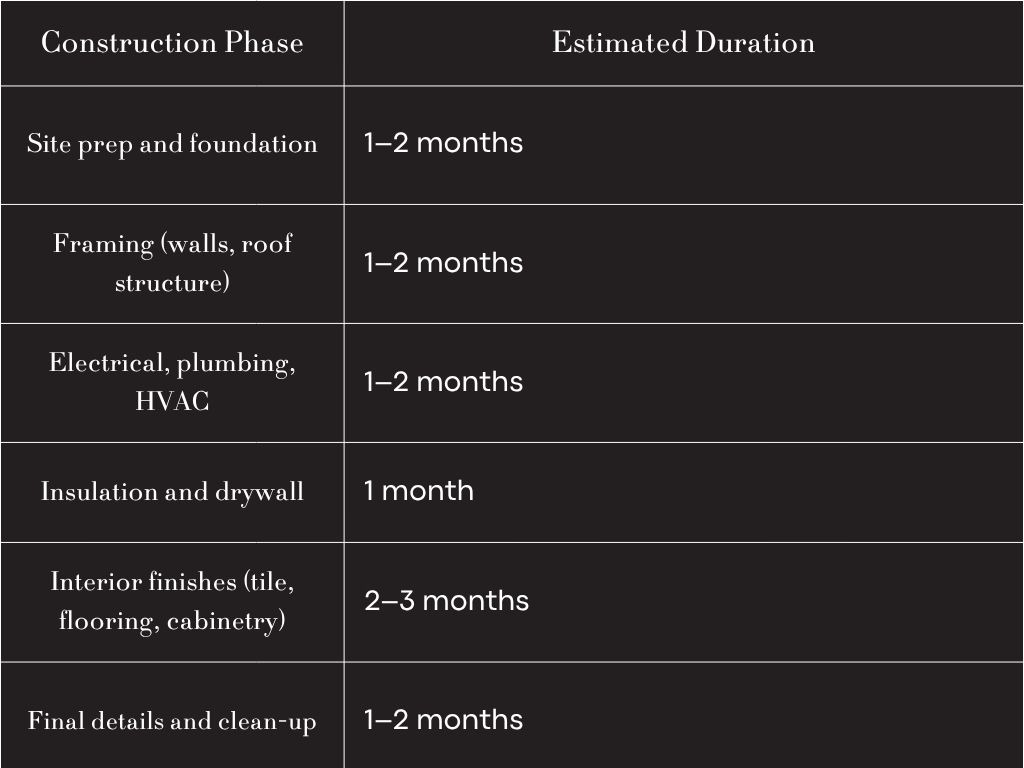
A Step-by-Step Custom Home Construction Timeline
Here’s a general timeline for what to expect during the construction phase:
What Happens During Construction?
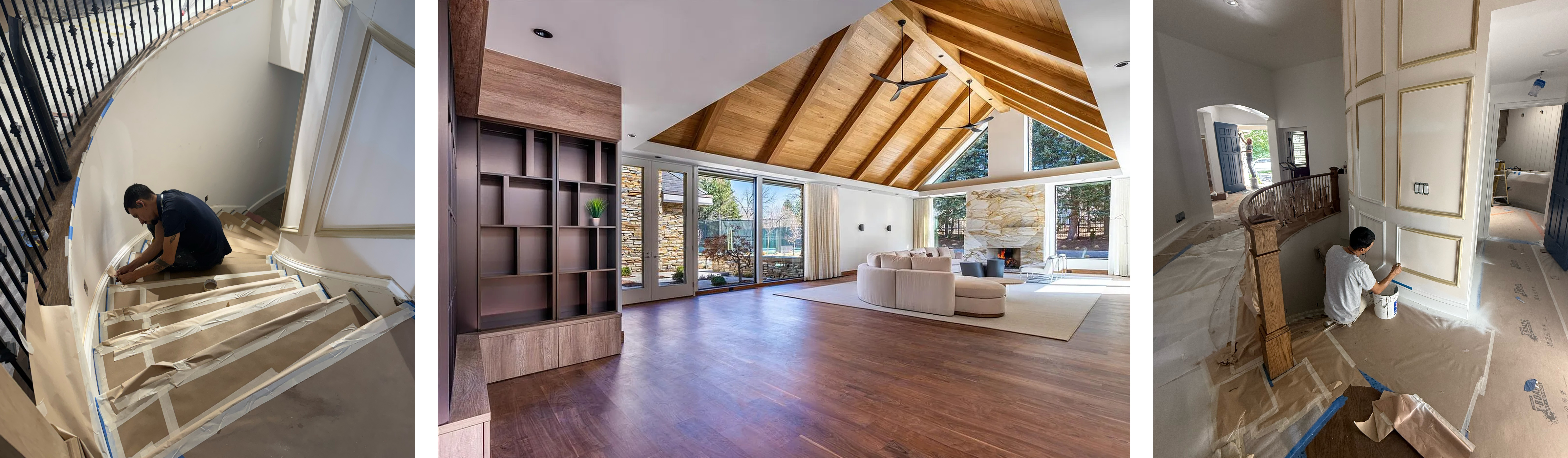
- Site prep: Crews clear the lot, level the land, and pour the foundation.
- Framing: Walls go up, the roof takes shape, and rooms start to feel real.
- Systems: Electricians, plumbers, and HVAC pros install the bones of your home.
- Finishes: Floors, tile, cabinets, and countertops bring the style to life.
- Final details: Fixtures, hardware, appliances, and trim are installed.
Throughout this phase, your builder should provide regular updates and schedule walkthroughs so you can stay involved.
This is where timelines, budgets, and expectations are most vulnerable to change. Clear updates, proactive planning, and strong project management help prevent missteps.
How Long Does It Take to Build a Custom Home?
If you’re wondering how long does it take to build a custom home, you’re not alone. It’s one of the most common questions we hear, and the answer depends on many factors.
What can impact the timeline?
- Size and complexity of the home
- Local regulations and permitting delays
- Weather conditions, especially during foundation and framing
- Material or labor availability (think supply chain issues)
- Design changes made during construction
High-quality homes take time. While quick builds may sound appealing, cutting corners often leads to stress, overspending, and repairs down the road. A well-paced, professional process results in a home that’s built to last.
Step 6: Final Walkthrough and Punch List
As construction wraps up, it’s time to take a closer look at the finished product. Before you move in, your builder will schedule a final walkthrough, sometimes called the “blue tape walk”, where you inspect every detail of your home.
What is a punch list?
A punch list is a document that lists any last-minute touch-ups or corrections that need to be made. It ensures your home is 100% ready before you move in.
Things to look for during the walkthrough:
- Paint imperfections or scuffs
- Misaligned cabinet doors or drawers
- Scratches on flooring or countertops
- Hardware that’s loose or missing
- Light fixtures not working properly
- Doors or windows that don’t open/close smoothly
The builder will take care of these issues as quickly as possible. At Duet Build, we treat this as a critical step, not a formality, because delivering a flawless finish is part of what our clients expect.
Step 7: Move-In and Beyond, Living in Your New Home
After the punch list is complete and your Certificate of Occupancy is approved, you’re ready to move in. But your relationship with your builder shouldn’t end there, especially if you’ve chosen a firm that values long-term trust and support.
What should I expect after move-in?
Great builders offer post-move-in support that may include:
- Warranty coverage (for structural issues, appliances, or workmanship)
- Maintenance guidance for HVAC systems, exterior finishes, and more
- Care instructions for special materials (like natural stone or custom cabinetry)
- Support for future updates, such as adding a guest suite or outdoor kitchen later
At Duet Build, many of our clients stay connected for years, sometimes for new homes, vacation properties, or simply to maintain consistency and quality over time.
Remember: The best custom home builders aren’t just contractors, they’re partners who help bring your lifestyle and vision to life for the long run.
5 Tips to Make the
Custom Home Building Process Smoother
The custom home building process is exciting, but it also comes with a lot of moving parts. Between design choices, schedules, and construction updates, it’s easy to feel overwhelmed, especially if it’s your first time building.
These five practical tips will help you stay focused, avoid delays, and feel confident from start to finish.
1. Choose the Right Team
One of the biggest decisions you’ll make is who to work with. The right team will make your experience smoother, faster, and more enjoyable. The wrong team? They can cost you time, money, and a lot of stress.
So what should you look for in a builder or firm?
- Do they offer both design and construction in-house (a “design-build” approach)?
- Do they communicate clearly and consistently?
- Do they have a solid reputation and experience with projects like yours?
- Can they show examples of past work that reflects your style or goals?
A design-build firm like The Duet Group combines both creative and technical expertise. That means fewer delays, better coordination, and a home that turns out exactly as you imagined, or better.
Tip: Ask for a detailed explanation of their process during your first meeting. A strong team will have a step-by-step plan and a clear answer to “what happens next?”
2. Stay Involved in the Process
You don’t have to be on-site every day, but staying involved helps everything run more smoothly. Regular check-ins, scheduled walkthroughs, and open communication allow you to catch small issues before they become big problems.
Why does this matter?
- You’ll feel more confident in the decisions being made
- You can make adjustments early, before materials are ordered or installed
- Your team will better understand your preferences and priorities
Pro Tip: Set up weekly or biweekly check-ins with your builder or project manager. These don’t have to be long meetings, just enough to stay in the loop and ask questions.
3. Plan for Delays
No matter how well you plan, delays happen. Weather, permit approvals, supply chain issues, and labor shortages can all push timelines back. Instead of letting this derail your experience, build flexibility into your schedule, and your mindset.
Helpful ways to plan ahead:
- Avoid scheduling your move-in on a tight deadline (like before the holidays or a big event)
- Create a “buffer zone” of 1–2 months beyond your estimated completion date
- Budget for temporary housing if you’re selling or leaving your current home before the new one is ready
Remember: Rushing the process often leads to mistakes or poor-quality finishes. A little extra time now can save you years of repairs or regrets later.
4. Be Decisive (and Try Not to Backtrack)
Changing your mind mid-construction, even on something that seems small, can cause ripple effects. For example, switching tile after it’s been ordered may delay the entire bathroom schedule. Choosing a different light fixture might require new wiring or ceiling changes.
Here’s how to avoid costly changes:
- Take time during the design phase to think through your choices
- Ask your designer for realistic mockups or material samples
- Prioritize your must-haves vs. nice-to-haves
If you do need to make a change, communicate it quickly and clearly. The sooner your team knows, the easier it is to adjust without slowing everything down.
Did you know? According to industry research, change orders are one of the top reasons custom home builds go over budget or past deadlines. Decisiveness = savings.
5. Trust the Process (and the Pros You Hired)
Custom home building is a marathon, not a sprint. There will be high points (seeing your walls go up!) and low points (waiting weeks for permits or back-ordered tile). But if you’ve chosen the right team, you can trust that each step is happening for a reason.
Why trust matters:
- Your builder is managing dozens of behind-the-scenes details you may not see
- Experts know how to handle issues calmly, safely, and within code
- Micro-managing can slow things down and strain the relationship
Bottom Line: Ask questions. Stay engaged. But also trust that your team knows what they’re doing, especially if they’ve done it many times before. A well-structured process is there to protect your vision, your investment, and your peace of mind.
Final Thoughts
The custom home building process takes time, patience, and the right team, but the result is a one-of-a-kind space that’s built just for you. From the first sketch to move-in day, every step is a chance to shape your future home with purpose and care.
If you’re ready to start your own journey, contact Duet Build today. We specialize in custom homes that are built to last, with precision, structure, and a legacy-driven approach that honors your vision.