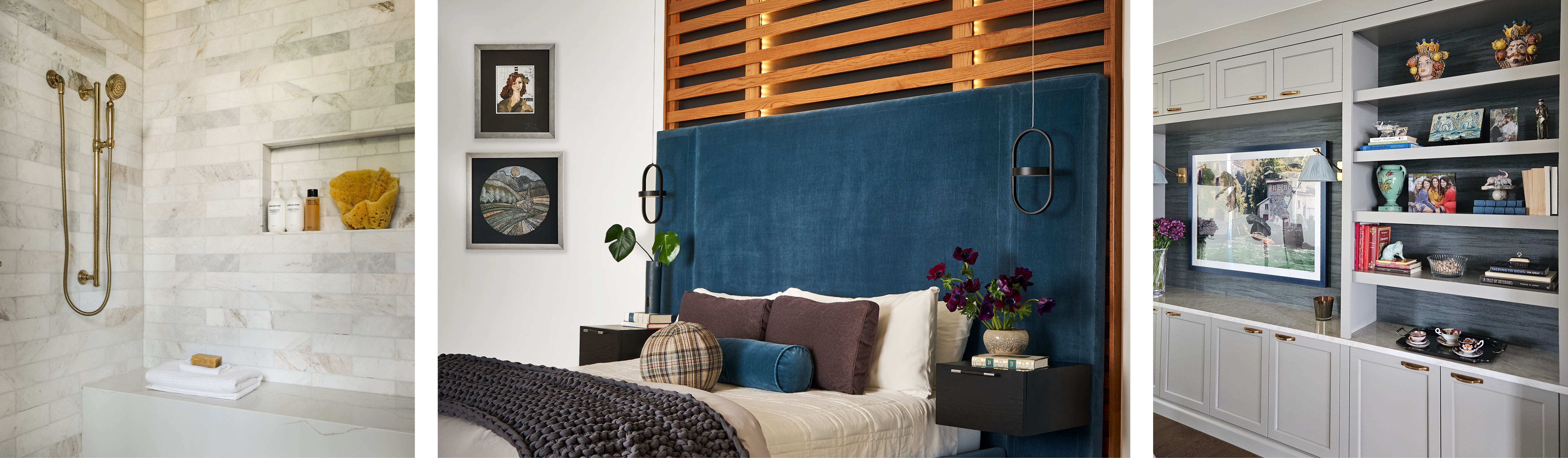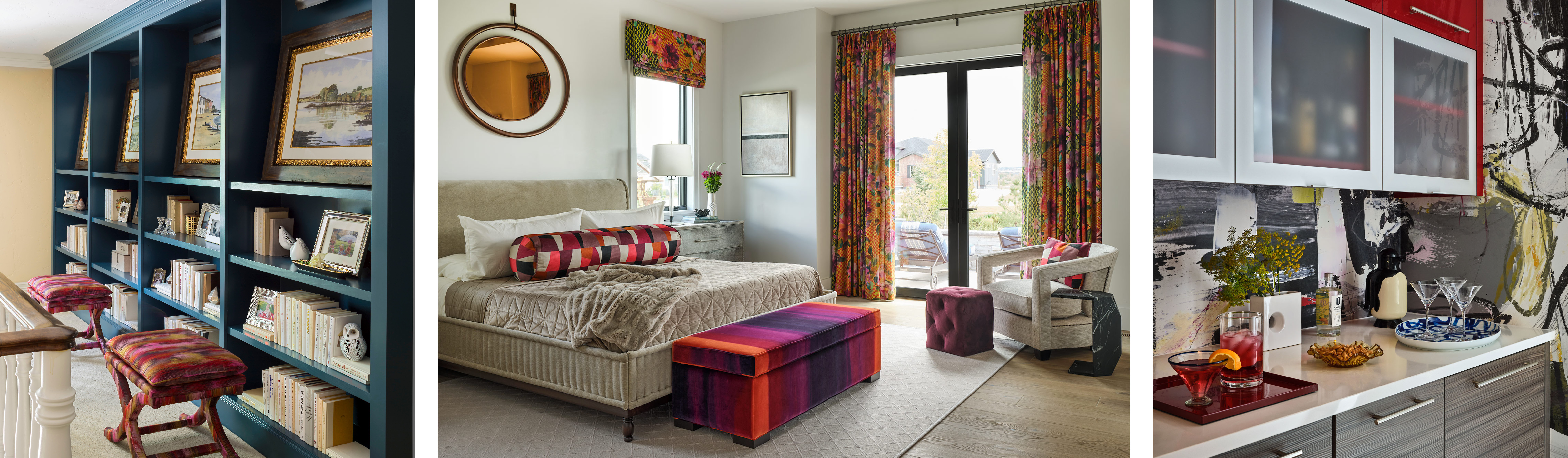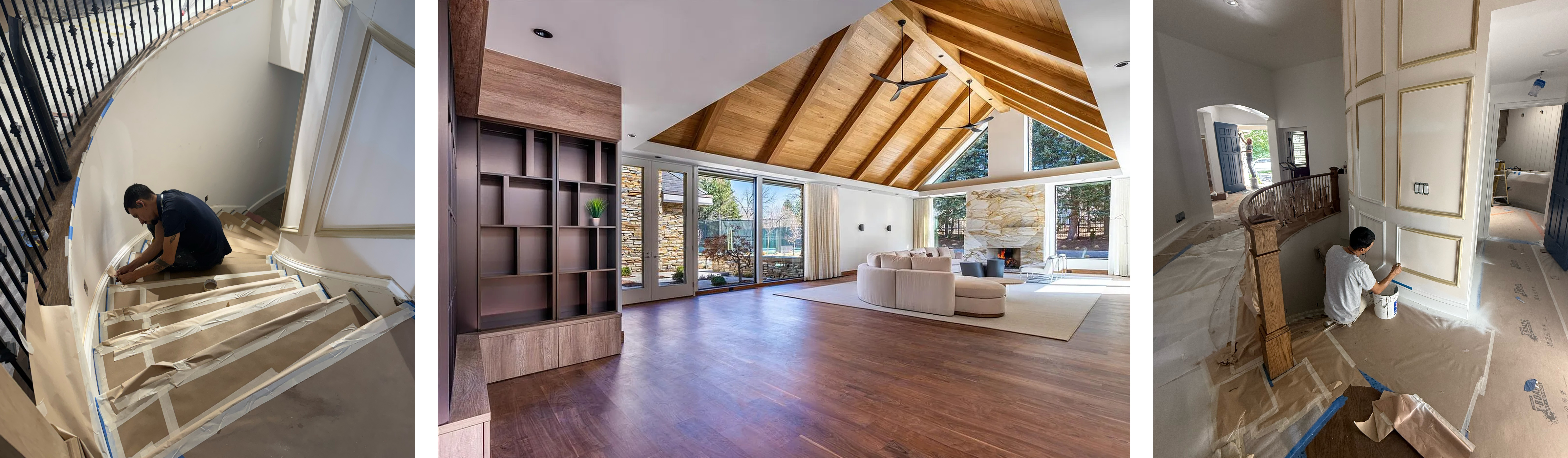
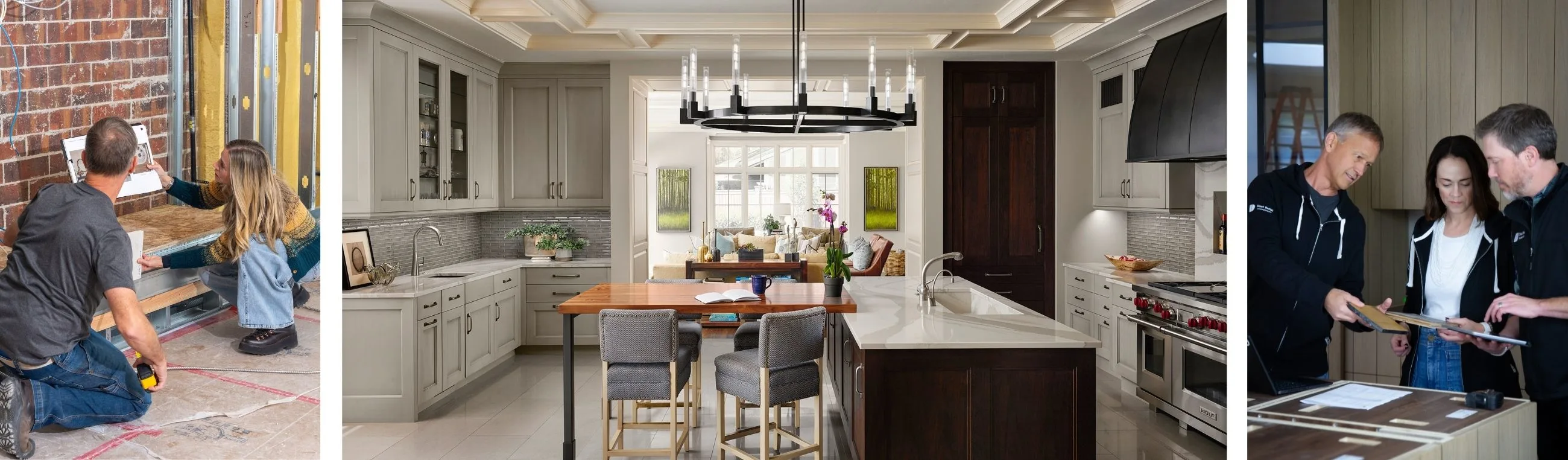
When building a home from the ground up or undertaking a major renovation, coordination and accountability become critical to the outcome. You need one team that’s aligned, focused, and accountable from start to finish.
This is the foundation of the design build model. The benefits of design build extend well beyond convenience. It’s about creating a smart, structured process rooted in trust, clear communication, and shared goals.
At Duet, we’ve seen how the design build approach supports stronger outcomes across design quality, budgeting, and execution.
What Is the Design Build Model?
Design build is a project delivery method where one team handles both the design and the construction of your home. Rather than coordinating separate architects, designers, and builders, the design build model unifies responsibility under one team.
At Duet, that means Duet Design manages your interiors while Duet Build manages your construction. Together, we offer a single, streamlined experience from early planning through the final walkthrough. Every step is managed by one team, aligned in both vision and execution. This structure mirrors the principles outlined in the custom home building process, where early alignment shapes long-term success.
This model is particularly effective for complex or highly customized projects, including:
- Full-scale new construction
- Legacy property renovations
- Second homes or retreat residences
- Multi-generational or multi-property plans
When multiple firms are involved, even simple changes can cause delays. But with design build, communication is direct, decisions move faster, and every phase is informed by the same strategy. That’s one of the biggest benefits of design build, it reduces friction, keeps timelines intact, and ensures the final result reflects the original vision.
Traditional Build vs. Design Build: A Closer Look
To better understand the benefits of design build, it helps to compare it to the traditional construction process. In a traditional design–bid–build model.
The process typically unfolds as follows:
- You hire an architect or interior designer to create your plans.
- Once the plans are finalized, you send them out to general contractors for bids.
- You select a builder, often based on price or timeline.
- You start construction and discover that changes or conflicts are common.
- You step in frequently to manage miscommunication or delays between teams.
This method can function, but it is often slower, fragmented, and reactive. Each team is focused on its own scope, and no one is responsible for the entire process.
That can lead to:
- Conflicting interpretations of the design
- Inaccurate cost estimates
- Change orders and scope creep
- Long delays while teams resolve disputes
- A lack of accountability when problems arise
In contrast, design build solves these issues by keeping everything within one trusted team. From the initial concept through construction, there is one point of contact, one project manager, and one team responsible for the outcome. That structure establishes clarity, alignment, and shared accountability. Budgeting, scheduling, and feasibility are addressed early, often during pre-construction planning, which reduces surprises later.
Design build means:
- Fewer delays due to integrated scheduling
- Smarter, real-time budgeting based on current costs
- Better communication between design and construction teams
- Streamlined approvals and faster problem-solving
- One team that owns the result
According to the Design-Build Institute of America, projects delivered through design build are completed 33% faster, cost 6% less, and experience fewer disputes compared to traditional project delivery methods.
Why It Matters
For clients undertaking custom homes or multi-generational projects, this structure reduces complexity and risk. You’re expected to make major financial decisions while managing independent teams with different priorities. And when issues arise, you’re often the one tasked with solving them.
The design build model eliminates that stress. You gain a partner who understands the full picture and takes responsibility for both the design intent and the construction performance. That partnership allows you to stay involved in the decisions that matter, without being pulled into every detail.
The design build model delivers several practical advantages, including:
- Greater efficiency
- Clearer communication
- A more enjoyable experience
- Better outcomes for high-investment homes
For Duet clients, that also means working with a team who understands not only how a home should look, but how it should live, for you, your family, and your legacy.
The Key Benefits of Design Build
1. One Integrated Team, One Coordinated Plan
One of the most important benefits of design build is how it brings everyone together. Rather than hiring a designer, architect, and builder separately, you work with one unified team from day one.
This avoids the usual problems caused by teams working in silos. There’s no confusion about who’s in charge. There are no missed details between handoffs. Everyone is focused on the same end goal: your home. It also reflects the value of working with full-service interior designers who remain involved from concept through execution.
When the design and build teams are aligned, your ideas are better protected during construction. Details don’t get lost. Materials don’t get swapped. And your vision stays intact from paper to move-in.
Why it matters:
- The design is executed exactly as planned
- You’re not managing separate teams
- Collaboration leads to stronger results
A study from the Construction Industry Institute found that design build projects are completed up to 102% faster than those using traditional methods when you consider both design and construction timelines.
2. Early Budgeting Means Fewer Surprises
Another major advantage of design build is how it handles money. In the traditional process, budgets often get finalized after the design is complete, which can lead to big financial surprises.
In the design build model, pricing is built into the process from the beginning. You’ll know what your choices cost as you go. That helps you make smart decisions that align with your goals and your budget.
For example, if you’re deciding between two types of flooring, your team can tell you the difference in cost, installation time, and durability, before you commit.
The numbers speak for themselves:
- Design build projects are delivered 33% faster
- They cost an average of 6% less
- They are more likely to stay on schedule and on budget
Why this matters:
- No budget shock once bids come in
- Smarter financial decisions made early
- Fewer costly change orders later
3. Faster Timelines. Fewer Delays.
In many home builds, you have to wait for one phase to finish before the next one starts. This can add months to the timeline, especially when teams are waiting on one another to finish tasks or answer questions.
With design build, timelines are tighter because the team works in sync. Materials can be ordered while drawings are still being finalized. Permits can be submitted while decisions are still being reviewed. The result is reduced downtime and more consistent project momentum.
For example: Let’s say your kitchen tile has a 12-week lead time. In a traditional build, that order might get placed too late, delaying installation. In a design build project, the team knows early and places the order before construction begins.
Design build benefits include:
- Overlapping tasks = saved time
- Earlier procurement of long-lead items
- Better planning around seasonal or location-based challenges
4. Fewer Mistakes. Better Outcomes.
Mistakes on a job site are costly, both in time and money. In traditional projects, small design oversights can turn into big problems. A misplaced wall might throw off cabinetry. A lighting plan might clash with a vaulted ceiling. These details often go unnoticed until it’s too late.
In design build, the construction team reviews the design plans early. They flag issues before ground is broken. That kind of review makes the build phase cleaner, faster, and more accurate. This proactive review aligns closely with a structured design review process, which protects quality and reduces rework.
Why this matters for homeowners:
- Design gets checked for real-world feasibility
- Mistakes are caught before they’re built
- You save money by avoiding costly rework
Change orders can cost thousands of dollars, and they’re one of the biggest drivers of frustration in homebuilding. Design build reduces that risk dramatically.
5. One Point of Accountability
When something goes wrong in a project with multiple vendors, it’s hard to know who’s at fault. The designer might blame the contractor. The contractor might blame the plans. The homeowner is often left managing those conflicts.
With design build, there’s no confusion. One team is responsible for the entire project. This not only simplifies communication but also encourages faster solutions when issues come up.
You get:
- Clear answers when you have questions
- Faster response times
- A team that takes full ownership of results
This structure encourages high performance because there’s nowhere to hide. The team owns both the process and the outcome, which means your goals stay at the center of every decision.
6. You Stay Involved, Without Being Overwhelmed
If you’ve been through a home build before, you know how exhausting it can be to manage all the moving parts. Calls. Delays. Conflicting opinions. That level of fragmentation can undermine what should be a focused, intentional process.
Design build takes that pressure off your plate. It gives you a direct line to the people who are making things happen, while freeing you up to focus on decisions that matter.
You’ll still be involved in all key design and budget conversations. But you won’t be forced to play middleman between the trades, the contractor, and the architect. This approach mirrors the clarity found in a well-run interior design process, where decisions are made thoughtfully and in sequence.
This leads to:
- Clear updates at every stage
- Confidence that nothing is being missed
- More energy for making thoughtful choices
At Duet, we know how personal homebuilding is. That’s why we prioritize open communication and structured collaboration. Our clients trust us to manage the details so they can stay focused on the big picture, legacy, function, and long-term livability.
Is design build only for new homes? No. It works for major renovations too, especially whole-home updates or additions where structure and design must be tightly coordinated.
What if I already have an architect or designer? Some design build firms, including Duet, can collaborate with outside professionals. The key is shared values and good communication. If you already have someone you trust, we’re happy to explore how they can integrate into the process.
Will I lose control over design choices? Not at all. Design build allows you to stay closely involved. In fact, many clients feel more empowered because they have a clearer view of how decisions affect cost, schedule, and construction.
How do I know if design build is right for me? If you value quality, transparency, and efficiency, and want a process grounded in trust, design build is a strong fit. It’s ideal for people who want to be involved in the project but not overwhelmed by it.
Real Design Build Benefits in Action: A Client Story
One recent project involved a retired couple relocating to Colorado to create a multi-generational home. They had a clear vision: quiet elegance, timeless materials, and functional flow for multiple generations.
They lived out of state during the project, so they couldn’t be on-site. That made trust non-negotiable.
Through our design build model, they received:
- Weekly virtual walkthroughs
- Pre-approved material samples shipped to their home
- Transparent pricing and scheduling updates
- One point of contact for questions and changes
The result? A refined, lasting home delivered on time, on budget, and without surprises.
Who Benefits Most from Design Build?
Design build works well for many types of clients, but it’s especially effective for:
1. Legacy-Driven Clients
People who are downsizing but want every detail to feel intentional. They value craftsmanship, clarity, and homes built to last.
2. Self-Made Professionals
Those building high-performance homes while managing full-time careers and families. They want polish, personalization, and a process they can trust.
3. Legacy Stewards
Clients building or renovating multiple homes to host family, events, or philanthropic gatherings. They want elegance, consistency, and long-term partnership.
For all of them, design build offers peace of mind, structure, and quality.
Is design build more expensive than traditional building? Not always. While initial design fees may look similar, design build often reduces total project costs by limiting rework, managing material timelines better, and avoiding delays.
Can I still work with my own architect or designer? Yes. While Duet offers full design and build services in-house, we also collaborate with outside partners when it’s the right fit. What matters most is shared values and strong communication.
What happens if something goes wrong? With design build, there’s a single point of responsibility. Problems are addressed quickly because everyone is on the same team and focused on your outcome, not protecting their role.
Why Trust Matters Most
At the heart of design build is trust. And that trust isn’t just a nice feeling, it’s a practical advantage.
It’s what allows projects to move forward with clarity and confidence. It’s what gives you the freedom to stay engaged without being overwhelmed. And it’s what ensures your home is not only beautifully built, but thoughtfully tailored to how you live.
When trust is strong, decisions get easier. Communication improves. And your project becomes a true collaboration, not a balancing act.
Trust the Process, Elevate the Result
The benefits of design build are clear: better timelines, stronger coordination, fewer errors, and more personal results. But the real value? A smoother experience that protects your time, your budget, and your vision.
If you’re considering a new home or large-scale renovation, the design build model gives you the structure, clarity, and long-term value you deserve.
At Duet, we offer full-service design and construction for clients who expect more. More thought. More care. More legacy.
Our team offers full-service design and construction for clients seeking clarity, structure, and long-term value.