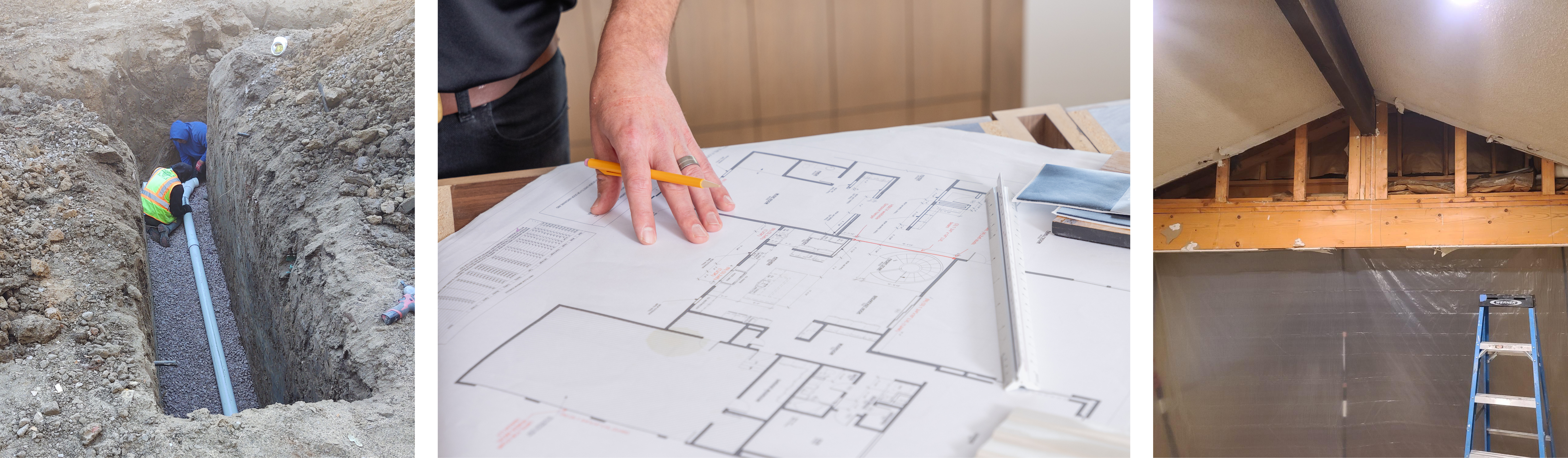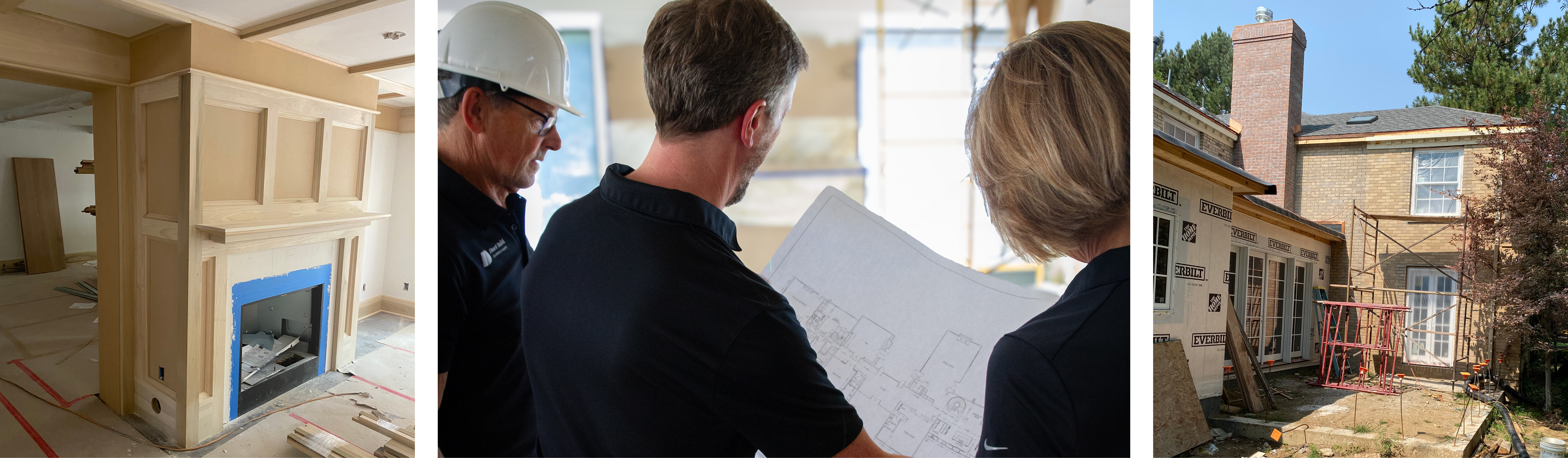
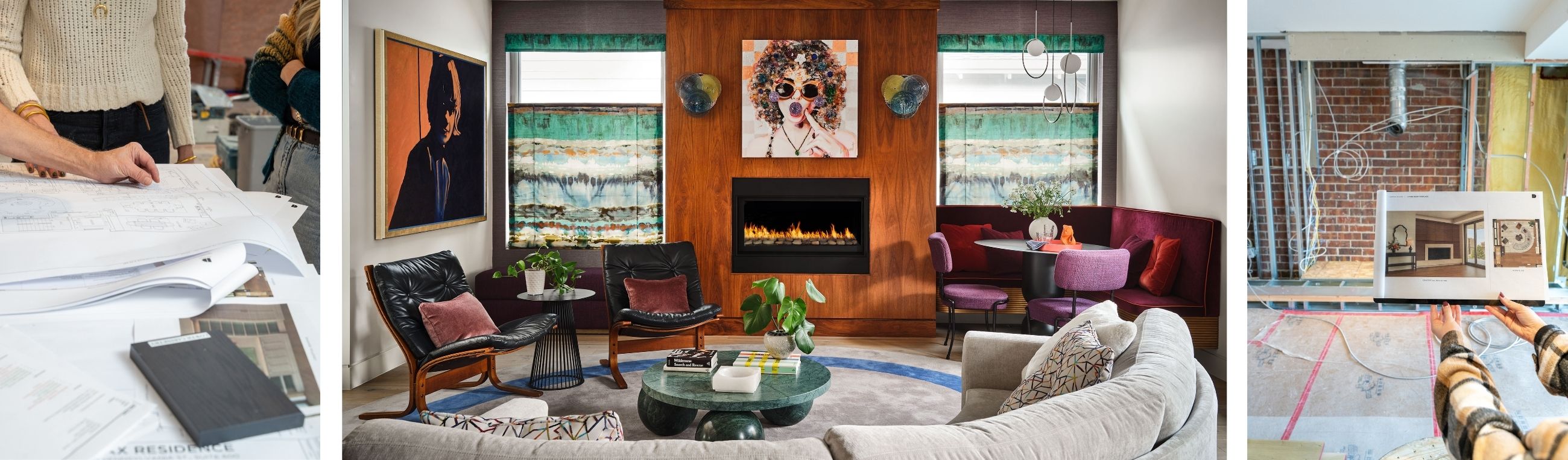
Building a custom home is a meaningful investment, one that brings opportunity alongside complexity. With so many decisions, details, and people involved, it’s easy to feel overwhelmed before the project even begins. That’s where pre-construction planning comes in.
Though it occurs before a single foundation is poured, this phase often determines whether the entire project unfolds with clarity or friction. It creates a clear plan, helps avoid mistakes, and keeps your project on track. Without it, even a beautiful design can lead to a frustrating build. This early phase is also a critical part of the broader custom home building process.
In this guide, we’ll explain what pre-construction planning is, why it matters, and how it brings order and confidence to every step of your custom home journey. Whether you’re building a primary residence, mountain retreat, or legacy property, understanding this phase can save you time, money, and stress, especially when paired with thoughtful designing a custom home from the start.
What Is Pre-Construction Planning?
Pre-construction planning is the process of preparing all the essential details before the physical work of building your home begins. This stage lays the foundation for the entire project, not in concrete, but in coordination, timelines, budgets, and decisions. It works hand in hand with a clearly defined interior design process so construction and design move together, not in isolation.
Pre-construction planning is a collaborative phase that aligns homeowners, designers, builders, and consultants around one clear path forward, which is one of the core benefits of design build when both services operate as one team.
What’s Included in Pre-Construction Planning?
A well-run pre-construction phase typically covers:
- Site analysis: understanding the land, location, views, sun exposure, access, utilities, drainage, and environmental factors
- Survey and soil reports: necessary for engineering and permitting
- Architectural plan reviews: ensuring the design matches your goals and the site’s realities
- Engineering input: evaluating structure, grading, mechanical, and energy needs
- Permitting strategy: researching zoning codes, HOA rules, and regulatory timelines
- Timeline forecasting: creating a clear construction schedule
- Budget creation and alignment: matching design intent to realistic cost expectations
- Early selections and material sourcing: identifying key design finishes and ordering long-lead items early
This phase isn’t about slowing down the project, it’s about preparing it to move forward without unnecessary risk or delay, especially when design decisions are guided by well-defined interior design concepts rather than last-minute choices.
A Helpful Analogy
Pre-construction planning functions much like strategic preparation in any complex endeavor: anticipating variables, clarifying priorities, and reducing unnecessary risk before execution begins. You don’t just buy a plane ticket and figure out the rest once you land. You research the location, map out your days, pack carefully, check the weather, and ensure your passport is up to date. If you forget those details, you’ll run into avoidable problems.
Pre-construction is the same. If you start building without thinking through what’s ahead, you’re likely to face delays, extra costs, or compromises you didn’t expect.
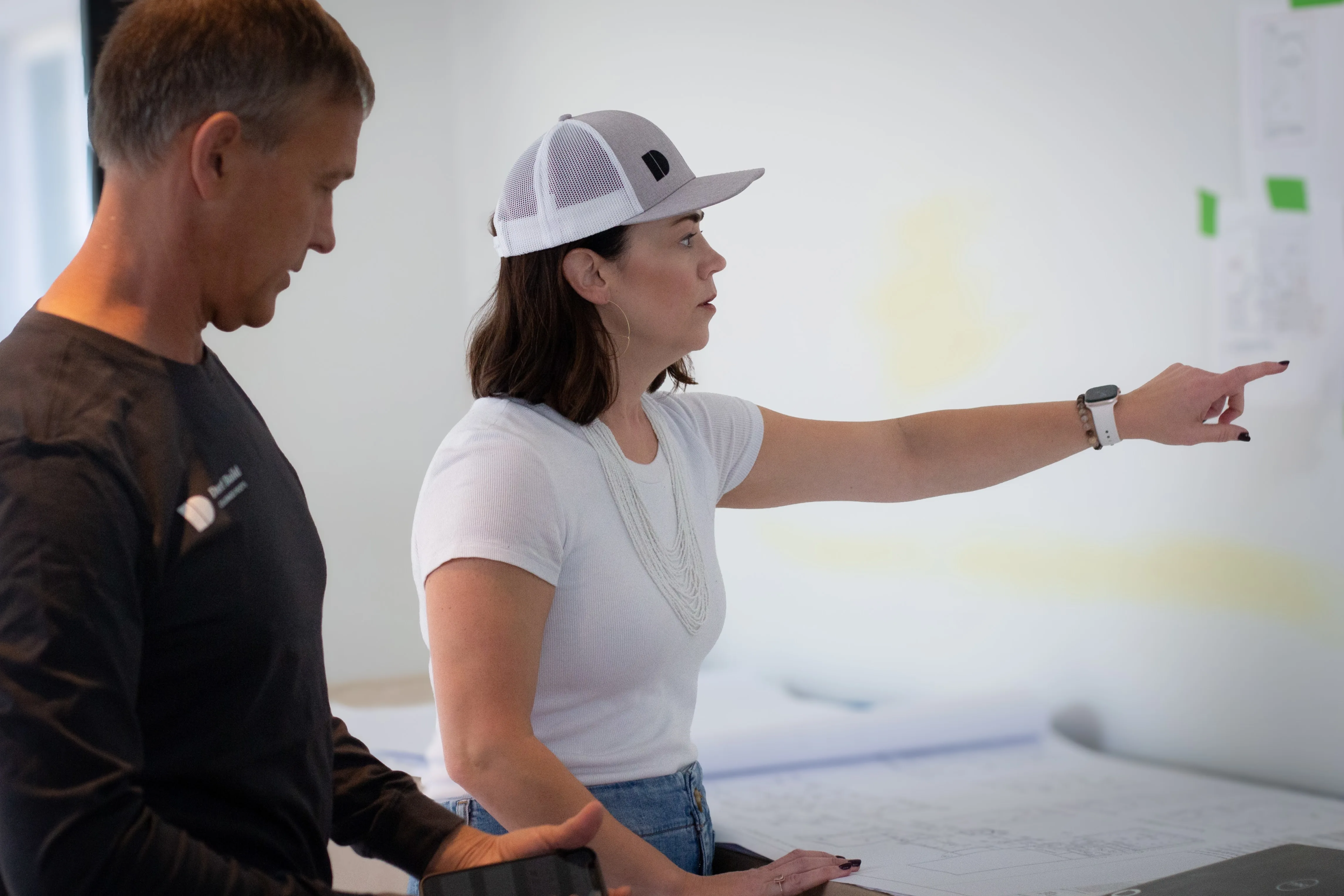
Why Pre-Construction Planning Matters: Preventing Mistakes, Saving Money
In our experience, the majority of construction challenges stem from gaps in early planning rather than execution on site. Issues often arise when selections, budgets, or expectations are not clearly reviewed during the design review process.
In fact, the American Institute of Architects reports that poor planning is responsible for up to 30% of wasted cost on residential projects.
That waste shows up in the form of:
- Change orders
- Rework
- Timeline extensions
- Materials going unused
- Budget overruns
At Duet Build, we’ve seen how early planning reduces both financial waste and emotional stress.
Here’s how it helps our clients:
1. Fewer Mid-Build Changes
The later you change something, the more expensive it becomes. If you shift a wall or change a plumbing location after framing, it might affect five or six other things, from permits to finishes to structural design. This is especially important when integrating detailed finishes inspired by luxury home interior design ideas that often require advance coordination.
Pre-construction allows these decisions to be resolved on paper, where adjustments are measured and strategic, rather than on site, where they are costly and disruptive.
2. Real Budgets Up Front
Vague or overly optimistic early budgets can mislead homeowners. We develop clear, line-by-line budgets in the pre-construction phase, based on real product costs, labor rates, and logistical needs, not just averages. During pre-construction, we align design intent with realistic costs, helping clients understand not just what something looks like, but how much an interior designer costs and how those decisions affect the overall build.
That gives you a more accurate understanding of where your money is going, and what to expect if you want to upgrade or change scope.
3. Better Use of Materials
Ordering too much can lead to waste. Ordering too little can cause delays. During pre-construction, we identify exactly what materials are needed and when. This allows us to order long-lead items (like specialty windows or imported tile) early and store them safely if needed. This is the foundation of what full-service interior designers provide when they are involved from the beginning rather than brought in midway.
4. A Faster, Smoother Build
When everything is organized ahead of time, builders can work without interruption. There’s less waiting on decisions, fewer pauses for design clarification, and less back-and-forth between teams. The build stays on track.
5. Everyone Shares the Same Vision
When designers, builders, architects, and homeowners are aligned, the project moves forward with confidence. Miscommunication shrinks. Trust grows. And quality improves.
Common Questions About Pre-Construction Planning
How Long Does Pre-Construction Planning Take?
It depends on the size and complexity of your project. Most pre-construction planning phases take anywhere from 6 to 12 weeks. Larger or more complex builds, especially mountain homes with site-specific challenges, may take longer.
While this may feel like a delay, it often saves months during construction by solving problems early.
Do I Need to Hire a Designer Before Pre-Construction?
Yes. Ideally, your interior designer should be involved from the start. Selections such as tile layout, plumbing fixture locations, and lighting plans impact the structure and sequencing of construction. Early design coordination prevents rework and aligns budget expectations. Knowing the right questions to ask interior designers before hiring can help homeowners choose a partner who understands this level of integration.
At Duet, our clients benefit from our full-service structure: Duet Design and Duet Build collaborate from the beginning, so aesthetic goals and construction realities are never out of sync.
What Happens If We Skip Pre-Construction Planning?
Without this step, you risk:
- Incomplete budgets
- Permit delays
- Selection backlogs
- Timeline confusion
- Costly change orders
- Design compromises
Skipping planning rarely saves time. More often, it leads to rushed decisions and regret.
Key Elements That Set Pre-Construction Planning Apart at Duet
Unlike firms that wait to plan until after contracts are signed, we invest deeply in the pre-construction phase.
Here’s what that looks like:
A. Collaborative Team Leadership
We bring everyone to the table early: architects, engineers, consultants, designers, and trades. We build trust and alignment from the start, which is especially important for legacy-driven clients or those managing second homes remotely.
B. Permitting & Compliance
We understand how different municipalities, mountain towns, and HOAs operate across Colorado. Snow load, wildfire zones, slope requirements, these aren’t surprises for us. They’re built into the plan.
C. Timeline Structuring
We break your project into phases, with clear decision deadlines and ordering milestones. Clients always know what’s coming next, and why it matters at that point in the schedule.
D. Selection Strategy
Waiting to choose materials after construction starts puts pressure on everyone. We help our clients make major selections early, so orders can be placed on time and installation stays on schedule.
E. Clarity in Communication
We create tools, visuals, and documents that make complex choices easier to understand. This helps reduce “decision fatigue,” especially for clients balancing other life demands.
Why It’s Worth the Investment
Pre-construction planning represents an early investment that safeguards value, decision quality, and long-term performance.
Let’s look at just a few examples:
- A 2023 report from McKinsey & Company found that 70% of projects that fail to meet schedule or budget did not have a clear pre-construction strategy.
- In our own experience, projects that skip planning often run 3 to 5 months longer, with 10–15% more in unexpected costs.
The investment in planning brings you:
- Less stress
- More control
- Better decisions
- A clearer path to the finish line
The goal of pre-construction planning isn’t to slow you down, it’s to make sure you’re building something strong, both in structure and in process.
Start with Your Purpose
Before floor plans or finishes are finalized, the focus shifts to understanding the life this home is meant to support. Every custom home should begin with the question: What is this home for?
- Are you downsizing for retirement?
- Building a family retreat in the mountains?
- Planning for multigenerational living or future accessibility?
Understanding the purpose of your home shapes every part of the plan. At Duet, we call this designing with intention. It’s not just about what the house looks like, it’s about how it works for your life. This approach is central to creating timeless interior design that ages gracefully rather than following short-lived trends.
For example, a client who hosts large family holidays may need open gathering spaces and multiple guest rooms. Another client may prioritize a quiet home office and energy efficiency. Both are luxury homes, but with very different goals. For homeowners seeking a cohesive experience, our residential interior design services in Colorado are structured to support this level of foresight and clarity.
Bringing Everyone to the Table Early
A common mistake in custom building is waiting too long to involve the right people. At Duet, we bring the full team together from the start: architects, designers, engineers, and contractors. This early collaboration prevents conflicts and keeps the vision aligned.
Here’s why that matters:
- The builder can advise on budget and feasibility
- The interior designer can plan early selections that affect plumbing or lighting
- The architect can adjust designs before permits are submitted
- The client gets one unified plan instead of separate, sometimes competing, ideas
This team approach is especially helpful for clients who are busy or building long-distance. Instead of managing every detail themselves, they can rely on a structured, expert-led process.
What Construction Planning Adds to the Process
Construction planning is a part of pre-construction planning that focuses on the actual building process.
It answers the “how” and “when” questions:
- What gets built first?
- Who is responsible for each task?
- When will materials be ordered and delivered?
- How will delays or weather be handled?
- What’s the communication plan for updates?
Construction planning ensures that the job site runs smoothly and safely. It helps avoid project slowdowns, missed deadlines, and miscommunications.
For example, let’s say a certain tile has a 12-week lead time. If that’s discovered too late, it could hold up the entire project. But in a well-planned job, that tile would be ordered months in advance, and stored safely until it’s needed.
This level of foresight is especially important in regions like Colorado, where weather, terrain, and permit requirements vary by location.
Building a Budget You Can Trust
Budgeting is one of the most important parts of pre-construction planning, and one of the most misunderstood.
Many homeowners worry about going over budget. But the real problem often comes from not having a clear budget to begin with. Pre-construction planning fixes that.
Here’s how we handle budgeting at Duet Build:
- We create line-by-line estimates that show what each part of the project will cost
- We factor in real material costs, not just averages
- We track design decisions alongside pricing so you always know where you stand
- We update the budget as needed if changes happen, but always with your approval
According to a 2023 Houzz survey, 49% of homeowners who renovated or built said staying on budget was their top concern. With a strong plan, that concern doesn’t have to become a reality.
Avoiding Delays with Smart Scheduling
Every homeowner wants to know: “How long will it take?” That’s a fair question, but without a plan, it’s nearly impossible to answer with accuracy.
During pre-construction planning, we:
- Build a full timeline for your project
- Identify long-lead items that need to be ordered early
- Build in time for permits, inspections, and approvals
- Prepare backup plans in case of weather or supply issues
- Share updates through clear, regular communication
This helps you plan your life around the project and avoid surprises. It also creates accountability. Everyone knows what’s next, and what’s expected.
Permits, Codes, and Site Conditions
Before construction starts, many local rules and conditions must be addressed.
These include:
- Zoning laws
- HOA restrictions
- Fire or flood zones
- Snow load requirements (especially in mountain regions)
- Utility access and septic plans
- Tree protection or lot grading
Each of these can affect the design, cost, and timeline of your project. In some areas, missing a permit step can set you back weeks, or more.
That’s why we include a full permitting strategy in pre-construction planning. We work with your architect and local officials to clear the path before we ever begin building.
Planning Design Decisions Up Front
One of the biggest causes of construction delays is waiting too long to make design choices. If the team is asking for tile or lighting selections after drywall is up, it’s too late, and expensive.
In our process, we:
- Begin interior design during the pre-construction phase
- Choose finishes, fixtures, and materials early
- Align those choices with the construction timeline
- Order key items ahead of time
This not only saves time, it gives clients more freedom to explore options, request samples, or visit showrooms, without pressure or last-minute decisions.
Helping Clients Avoid Decision Fatigue
Custom homes involve thousands of decisions. Without structure, even small choices can feel overwhelming. That’s called decision fatigue, and it can lead to rushed decisions or regret later.
Our approach includes:
- Organized selection timelines
- Easy-to-understand visuals and samples
- Clear pros and cons for each option
- Expert guidance at every step
You’re still in control, but never alone. We guide the process so you’re never guessing what comes next.
Building Trust Through Clarity
At Duet, we often work with clients who are self-made, highly driven, and used to excellence in their careers. They expect the same from their home-building experience.
Pre-construction planning gives them that. It reflects:
- Respect for their time and investment
- A professional, transparent process
- Careful management of quality, cost, and timeline
- A team that communicates clearly and solves problems early
It also brings calm. Building a home is emotional. There are memories tied to old houses and expectations for new ones. Planning replaces uncertainty with confidence and measured control.
Why Duet Builds Differently
Most firms do design or construction, not both. That can lead to disconnects and delays. At Duet, we combine full-service design and custom home building under one roof.
This means:
- Fewer handoffs between teams
- One shared vision from start to finish
- Better communication and fewer surprises
- A smoother, more enjoyable experience for our clients
Our clients appreciate having one trusted partner throughout the process. It saves time, prevents confusion, and leads to better results.
Clarity Is the First Step to Confidence
Pre-construction planning isn’t extra, it’s essential. It’s the difference between hoping your project turns out well and knowing it will.
It gives you:
- A clear plan
- A reliable budget
- A trusted team
- A realistic timeline
- A home built with care and purpose
Whether this is your first custom build or your third, starting with the right plan sets everything in motion. And once you experience that level of clarity, there’s no going back.
A well-planned home begins with clarity, collaboration, and trust. Our team is available to guide that process from the very first conversation. Learn more about our full-service process through our Duet Build services page or contact us today to start the conversation.