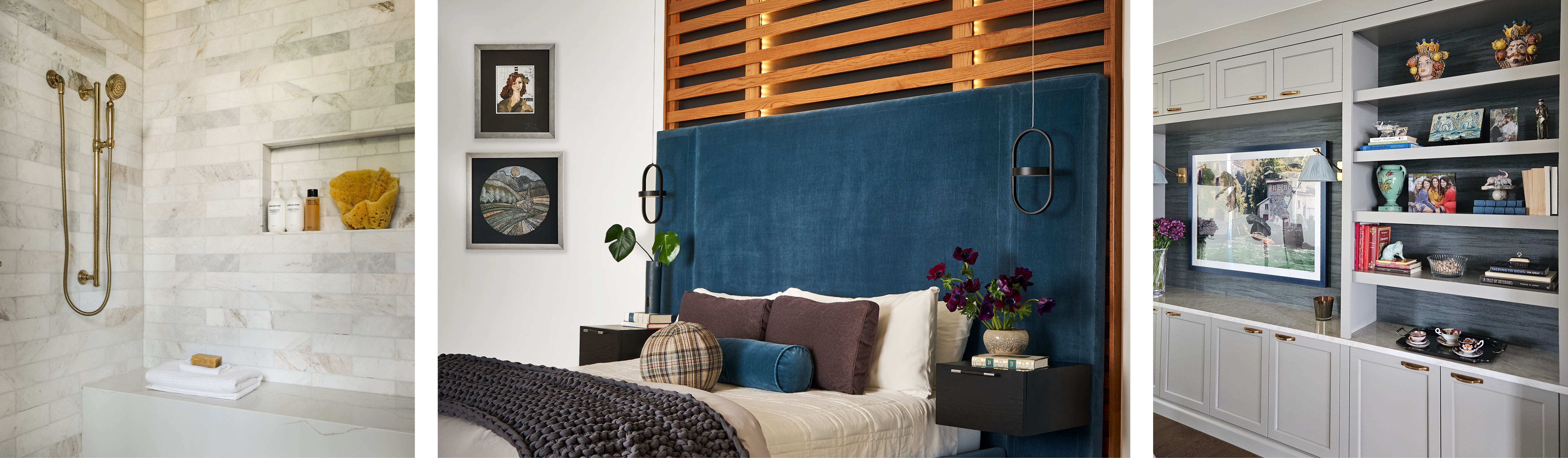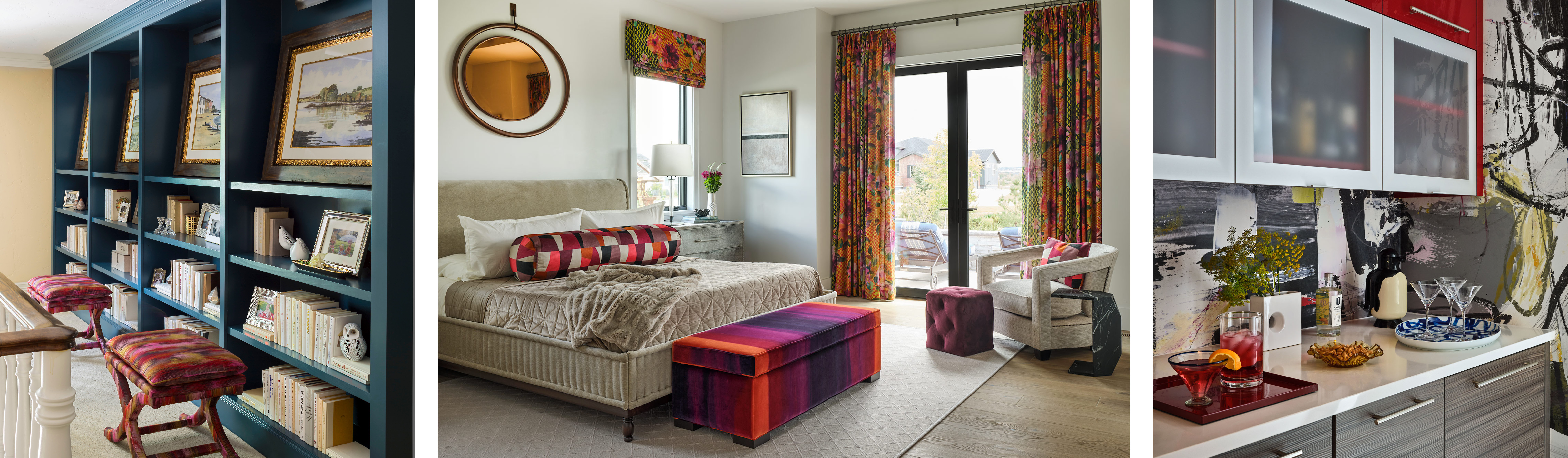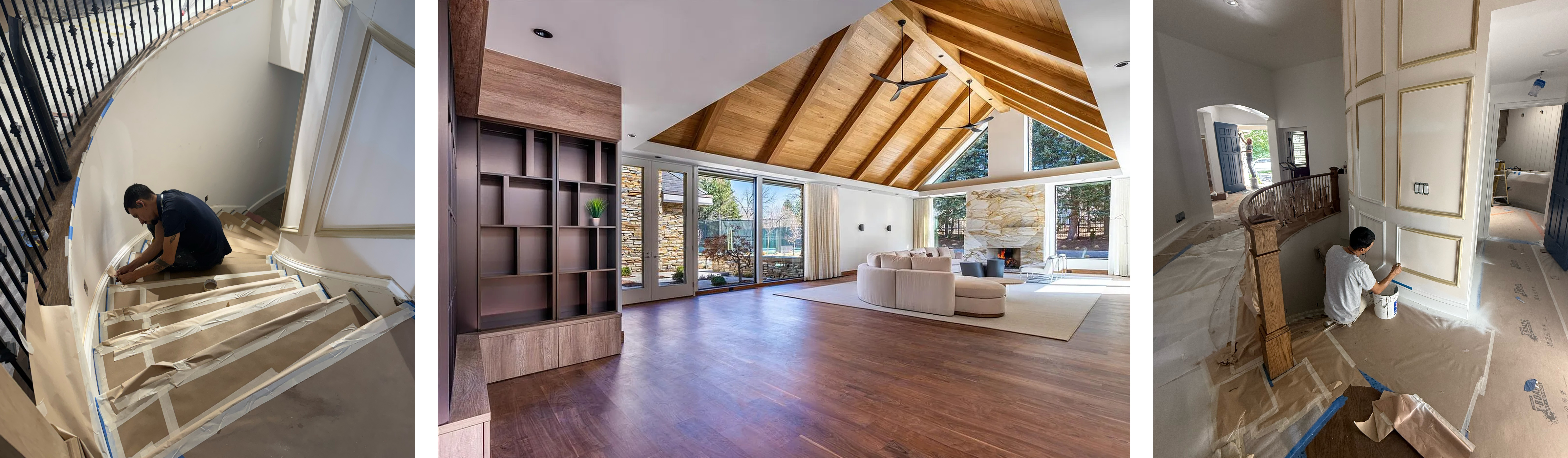
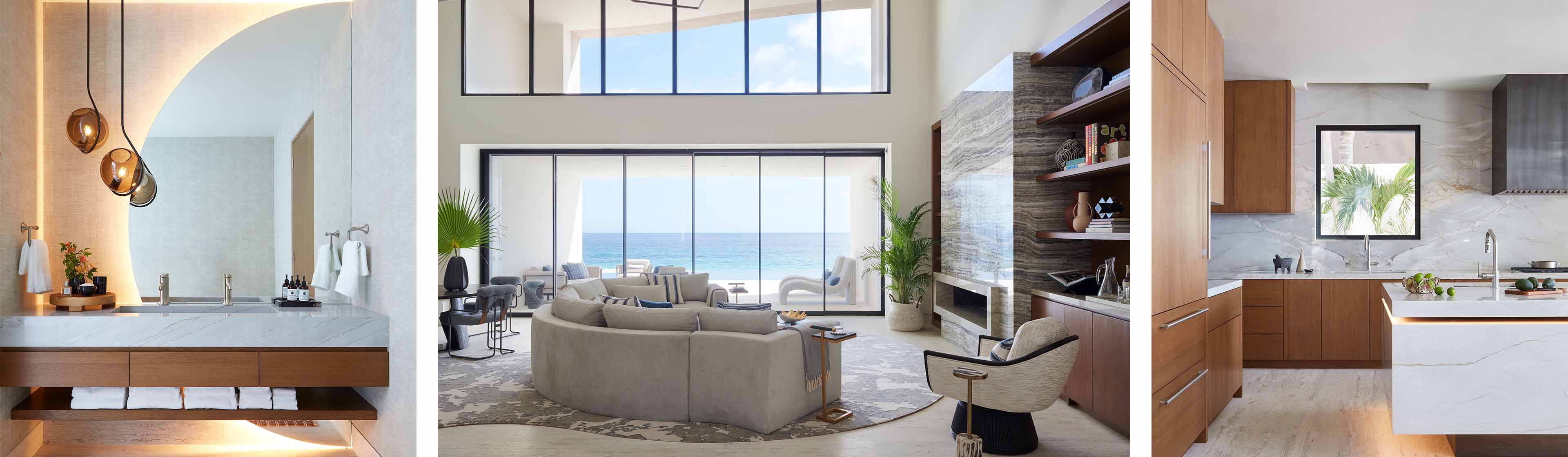
Understanding luxury home renovation cost starts with a simple shift in mindset. At this level, a renovation is not just about updating a home. It is about improving how the home works, how it feels, and how it supports your life over time.
Many homeowners first ask how to reduce costs. A better question is how to invest wisely. That difference shapes the entire outcome. A renovation focused on short-term savings often leads to compromises and future fixes. A renovation focused on long-term value leads to a home that feels complete, intentional, and built to last.
This guide explains what drives luxury home renovation cost, how to evaluate those costs, and how to plan a renovation that delivers lasting value.
Why Luxury Home Renovation Cost Is Not Simple
There is no simple formula for luxury home renovation cost. Two homes of the same size can have very different costs depending on how the project is planned and executed.
At a basic level, you are paying for labor and materials. At a higher level, you are investing in design, planning, coordination, and craftsmanship.
A standard renovation might update finishes. A luxury renovation rethinks the entire home.
This can include:
- Improving layout and flow
- Adding architectural detail
- Choosing materials that last
- Designing lighting and storage together
Each of these adds complexity. Each also adds long-term value when done correctly.
The Main Factors That Drive Luxury Home Renovation Cost
When homeowners begin planning a renovation, one of the first questions they ask is about price. That makes sense. A large renovation is a major investment, and people want to understand what drives the number before they commit.
The challenge is that luxury home renovation cost is not based on one thing. It is shaped by many layers working together. Size matters, but size alone does not tell the full story. Two homes with the same square footage can have very different renovation costs depending on how much is being changed, what level of finish is expected, how detailed the design is, and how the project is managed from start to finish.
At the luxury level, renovation is not just about replacing old materials with new ones. It is about improving how the home works, how it feels, and how it will perform for years to come. That means the investment often includes more than what is visible on the surface. It includes design thinking, planning, coordination, craftsmanship, and decisions that reduce future problems.
Below are the main factors that drive luxury home renovation cost, along with the questions homeowners often have when trying to understand where the money goes and why.
Scope and Structural Changes
The biggest factor in luxury home renovation cost is the scope of work.
Simple updates usually cost less because they stay within the existing structure of the home. If you are replacing finishes, repainting walls, updating fixtures, or refreshing cabinetry without changing the floor plan, the project is generally more predictable. There are still important costs involved, but the renovation remains more contained.
Structural changes are different. Once you begin changing how the home is built, the project becomes more complex. That is when costs rise more quickly.
Structural work may include:
- Moving or removing walls
- Changing ceiling height
- Expanding the home
- Reworking staircases
- Relocating kitchens or bathrooms
- Updating plumbing and electrical systems
- Reinforcing floors or framing
- Adding larger windows or doors
Each of these changes affects more than one part of the house. If a wall moves, electrical lines may need to move with it. If a bathroom is relocated, plumbing routes may need to change. If ceilings are raised, framing, insulation, drywall, lighting, and HVAC may all need to be adjusted.
This is why larger structural projects often cost much more than homeowners first expect. You are not paying only for the visible improvement. You are paying for everything required to make that change work safely, legally, and beautifully.
Structural work also usually involves:
- Permit fees
- Code compliance
- Architectural drawings
- Engineering review
- Inspections
- More time on site
- More coordination between trades
This added complexity is one of the clearest reasons luxury home renovation cost can increase. A renovation that changes the bones of the house requires deeper planning and far more precision than one that only updates surfaces.
Common questions about scope and structural changes:
Does opening up a floor plan always increase value?
Not always. In some homes, removing walls can improve flow and light. In others, it can reduce useful separation or create awkward transitions. The right answer depends on how the home is used, not just what is popular.
Why does moving a kitchen or bathroom cost so much?
Because these rooms are tied to plumbing, electrical, ventilation, appliances, and often structural conditions. Changing their location affects multiple systems at once.
Design and Planning
Design is one of the most important parts of a luxury renovation, and it is often one of the most misunderstood. Some people think design only affects appearance. In reality, design shapes function, flow, comfort, and the success of the project as a whole.
A strong design process includes:
- Planning how each space will be used
- Understanding the homeowner’s habits and priorities
- Improving layout and circulation
- Selecting materials that fit the home and lifestyle
- Creating detailed drawings
- Planning elevations and sightlines
- Coordinating lighting, millwork, and finishes
- Aligning the design with the construction team
Without this level of planning, costs often rise later. That is because decisions made too late are almost always more expensive. A change on paper is manageable. A change after construction begins can affect labor, schedule, materials, and related work already in progress.
This is a key part of the cost of luxury home renovation. You are not just paying for how things look. You are paying for a clear plan that reduces confusion, avoids waste, and helps every decision support the larger vision of the home.
Good planning also helps answer practical questions early:
- Will the furniture fit the room properly?
- Where should lighting be placed for both function and mood?
- Will cabinetry storage support how the family actually lives?
- Are the material choices beautiful and durable?
- Does the layout support privacy, entertaining, work, aging, or multi-generational needs?
When these questions are answered early, the renovation tends to run more smoothly. When they are not, expensive revisions often follow.
Common questions about design and planning:
Can I save money by figuring things out as we go?
Usually, that approach costs more in the end. Making important decisions during construction often creates delays, rush charges, or work that has to be redone.
Why do detailed drawings matter so much?
Because builders and trades need clear direction. The more precise the drawings, the fewer assumptions they have to make. Fewer assumptions usually means fewer mistakes.
Material Quality
Materials play a major role in luxury home renovation cost, but not just because of appearance. Material quality affects how the home performs over time.
High-quality materials often:
- Last longer
- Require less maintenance
- Age more gracefully
- Resist wear and damage better
- Support a more refined final result
- Feel more substantial in daily use
At first glance, some lower-cost materials may seem similar to premium options. Over time, the difference becomes easier to see. Lower-grade finishes may scratch more easily, fade faster, stain more quickly, or lose their look after a few years of use.
For example:
- Natural stone varies in density, porosity, and durability
- Hardwood flooring can vary greatly in finish quality and wear resistance
- Custom cabinetry requires precise construction and stronger materials
- Plumbing fixtures differ in internal parts, finish longevity, and repairability
- High-performance windows improve comfort, insulation, and long-term efficiency
Material decisions also affect maintenance. A surface that looks beautiful but stains easily may not be the right fit for a busy kitchen. A delicate finish may not work well in a home with children, pets, or frequent guests.
This is why material selection should never be based on looks alone. The right choice balances appearance, function, lifestyle, and long-term durability.
Common questions about material quality:
Does expensive always mean better?
Not always. Cost should match performance and purpose. Some high-priced materials are worth the investment because they last, perform well, and support the overall design. Others may not make sense for the way the room is used.
Where should homeowners spend more on materials?
Usually in the areas that get the most use, affect long-term durability, or are difficult to replace later. Flooring, cabinetry, windows, plumbing fixtures, and key surfaces often deserve careful investment.
Craftsmanship
Luxury renovation requires skilled craftsmanship. This is one of the most important reasons the final result feels polished rather than ordinary.
Craftsmanship includes:
- Clean, consistent finishes
- Precise tile layout
- Sharp paint lines
- Accurate millwork installation
- Smooth transitions between surfaces
- Proper alignment of doors, cabinets, and trim
- Careful handling of custom materials
- Thoughtful execution of design details
These things may seem small when listed individually, but together they shape how a home feels. In a luxury renovation, people notice when lines do not align, when joints feel sloppy, or when finishes look rushed. They also notice when everything feels calm, intentional, and exact.
Experienced trades do more than follow instructions. They understand why details matter and how to execute them correctly. That level of skill takes years to develop, and it carries a higher labor cost. Still, it is a major part of what distinguishes a truly high-end result.
Craftsmanship also protects the design. Even the best materials and drawings can fall short if the work is not installed well.
Common questions about craftsmanship:
Why is labor such a large part of the budget?
Because quality work takes time, skill, and attention to detail. Fast work is not always accurate work, and mistakes in construction are expensive to fix.
Can poor craftsmanship really affect value?
Yes. It can affect appearance, function, durability, and even future resale perception. High-level design needs high-level execution to deliver its full value.
Systems and Technology
Today’s luxury homes often include advanced systems that improve daily comfort, control, and efficiency. These systems can quietly shape how the house feels without drawing attention to themselves.
These may include:
- Heating and cooling systems that maintain even temperatures
- Zoned climate control for different parts of the home
- Smart home controls for lighting, security, and shading
- Whole-home audio
- Water filtration systems
- High-performance ventilation
- Backup power planning
- Layered lighting for different times of day and activities
These systems add cost because they involve specialized products, technical planning, and careful integration into the design and construction process.
For example, layered lighting is not just about adding more fixtures. It involves understanding how light should support the room at different times. A kitchen may need functional task lighting, ambient lighting for general use, and accent lighting to create warmth in the evening. That takes planning, wiring, controls, and coordination.
The same is true for climate systems. Luxury homes often prioritize comfort in a more precise way. That may include better zoning, quieter equipment, hidden vents, humidity control, or smarter thermostat programming.
These systems need to be planned early. Adding them later is more expensive and less effective. Retrofitting can require reopening walls, changing ceiling plans, or compromising the original design.
This is another important part of the cost of luxury home renovation. It reflects long-term thinking. A home that works beautifully behind the scenes often requires a larger investment upfront, but it usually provides a better experience every day afterward.
Common questions about systems and technology:
Are smart home systems worth the cost?
They can be, especially when they simplify daily life and are planned well. The key is to choose systems that are useful and reliable, not just impressive.
What systems have the biggest effect on comfort?
Heating and cooling, ventilation, lighting, insulation, and window performance usually have a major impact on how a home feels over time.
Project Management
A well-run project helps control luxury home renovation cost. Many people focus on materials and design, but project management has a major influence on the final number.
Good project management includes:
- Clear schedules
- Organized communication
- Coordination of trades
- Ordering materials at the right time
- Tracking progress
- Solving issues early
- Managing quality checks
- Keeping the client informed
Without structure, projects can face delays, missed details, and added costs. A late material order can stop progress. Poor trade coordination can lead to one team waiting on another. Miscommunication can cause work to be done incorrectly.
Strong project management reduces these risks. It creates a process where decisions are made on time, trades know what is expected, and issues are addressed before they become expensive problems.
At the luxury level, project management is especially important because the details are more complex. Custom work, longer lead times, and multiple specialists require a higher level of coordination.
Common questions project management:
Why do delays increase cost?
Because labor schedules shift, storage may be needed, temporary conditions may last longer, and material prices can change. Delays can affect nearly every part of the project.
What does a good project manager actually do?
A strong project manager keeps the renovation moving, communicates clearly, tracks details, and helps protect both the schedule and the quality of the final work.
Customization
Luxury homes are tailored to the owner. That level of personalization is part of what makes the renovation meaningful, but it also increases luxury home renovation cost.
Customization may include:
- Custom cabinetry
- Built-in furniture or storage
- One-of-a-kind millwork
- Unique stone applications
- Tailored lighting plans
- Specialty finishes
- Personalized room layouts
- Design solutions created around a specific lifestyle
Custom work takes more time because it is not pulled from a standard template. It has to be designed, reviewed, fabricated, delivered, and installed with care. In many cases, it also requires revisions, samples, or mockups before the final version is approved.
This added effort increases cost, but it also creates a home that feels deeply personal. Instead of a house filled with generic solutions, the result is a home shaped around the people who live there.
That can mean:
- Storage designed around how a family actually uses a kitchen
- A home office built for focused work and daily comfort
- A primary suite shaped around privacy and routine
- Guest spaces that feel thoughtful and complete
- Materials and details that reflect the owner’s values, not passing trends
Common questions about customization:
Is custom always necessary in a luxury renovation?
Not always. The goal is not to custom-make everything. The goal is to be thoughtful about where customization adds real value. In some areas, custom work transforms function and quality. In others, a well-chosen standard option may work perfectly well.
Why does custom cabinetry cost so much?
Because it involves design time, precise measurements, fabrication, finishing, delivery, and careful installation. It is built for a specific space and purpose, not mass-produced.
Hidden Factors That Affect Cost
Some costs are not obvious at the start but have a big impact on the final investment.
Time
Rushed decisions often lead to mistakes.
Taking the time to plan and review details helps avoid:
- Poor material choices
- Layout issues
- Costly changes during construction
Decision Overload
Renovations involve many decisions.
Without guidance, this can lead to:
- Inconsistent design
- Missed details
- Stress for the homeowner
A structured process helps keep decisions clear and aligned.
Rework
Trying to save money upfront can lead to higher costs later.
Examples include:
- Replacing materials that wear out quickly
- Fixing layouts that do not function well
- Updating systems that were not planned correctly
Rework is one of the biggest hidden costs in renovation.
Why Short-Term Savings Can Cost More
Saving money at the beginning may seem like a good idea, but it often leads to higher costs over time.
For example:
- Lower-quality materials may need replacement
- Poor planning may require changes later
- Limited design can lead to missed opportunities
A well-planned renovation may cost more upfront but often saves money in the long run.
How to Evaluate the Cost of Luxury Home Renovation
Understanding the cost of luxury home renovation means looking beyond the total number.
Ask these questions:
Is the Design Complete Before Construction?
A complete design includes:
- Detailed drawings
- Final material selections
- Clear system planning
This reduces uncertainty and helps control costs.
Are Design and Construction Aligned?
When teams work together, projects run more smoothly.
Misalignment can lead to:
- Delays
- Errors
- Extra costs
An integrated approach improves efficiency.
Are Materials Chosen for Long-Term Use?
Look for materials that:
- Last over time
- Fit the overall design
- Require less maintenance
This supports long-term value.
Is the Process Clear?
A clear process includes:
- Regular updates
- Defined timelines
- Open communication
This builds trust and reduces stress.
What You Are Really Paying For
When you invest in luxury home renovation cost, you are not just paying for finishes.
You are investing in:
- A home that functions well
- Spaces that support your daily life
- Materials that last
- A design that feels connected and complete
For many homeowners, this is about creating a space that reflects their life and values. It is also about planning for the future, whether that means aging in place or creating a home for family gatherings.
Frequent Questions About Luxury Home Renovation Cost
What is a typical luxury home renovation cost?
Costs vary based on scope and location. Many luxury renovations range from several hundred dollars per square foot and can increase with complexity.
Why is the cost of luxury home renovation higher?
Luxury projects involve deeper planning, better materials, skilled labor, and more coordination. Each of these adds value and cost.
How can I manage luxury home renovation costs?
Focus on planning, work with experienced professionals, and prioritize long-term value over short-term savings.
Is it better to invest more at the start?
In most cases, yes. A strong start reduces future problems and creates a better final result.
How long does a luxury renovation take?
Larger projects can take a year or more. A clear plan helps keep the timeline realistic.
A Better Way to Approach Renovation
The best renovations start with clear priorities.
This includes:
- Understanding how you want to live in the home
- Planning for future needs
- Setting a realistic budget
- Choosing the right team
A structured, collaborative process leads to better results.
This is the approach used by The Duet Group. By combining design and construction, decisions are made with clarity and purpose. The result is a home that reflects both vision and discipline.
Focus on Long-Term Value
At its core, luxury home renovation cost is about making thoughtful decisions.
A renovation built on process and planning creates a home that works better and lasts longer.
Short-term savings may reduce the initial cost, but they rarely deliver lasting value. Investing in design, materials, and execution leads to a more complete result.
If you are planning a renovation and want to approach it with clarity and confidence, the next step is to work with a team that understands both design and construction.
To learn more or start planning your project, contact us for more information or explore our full-service design and build offerings.