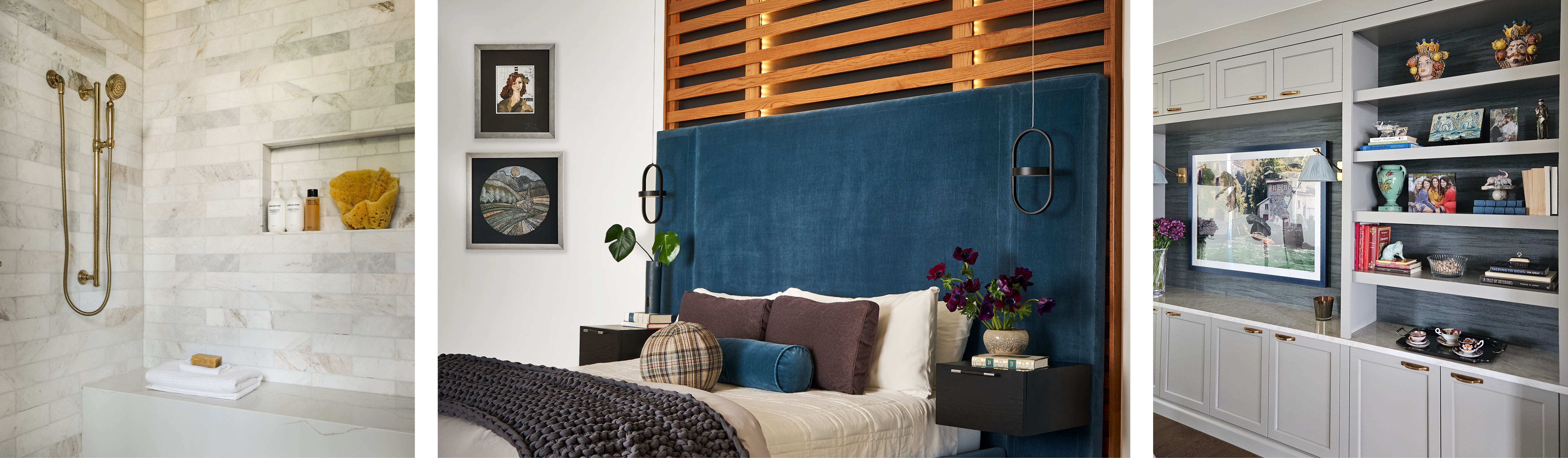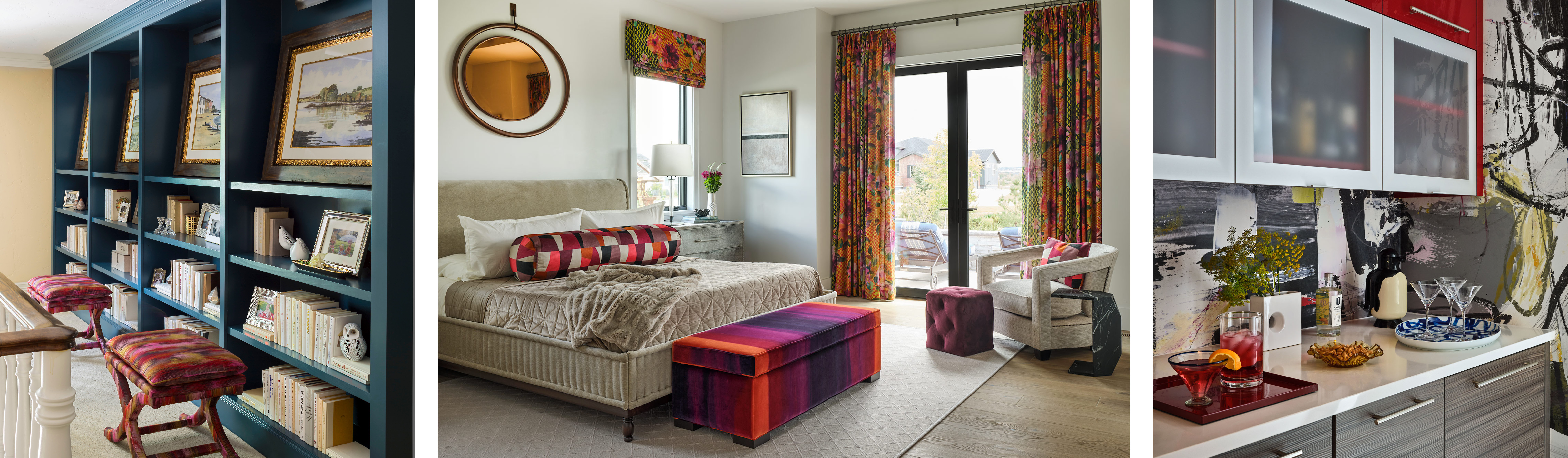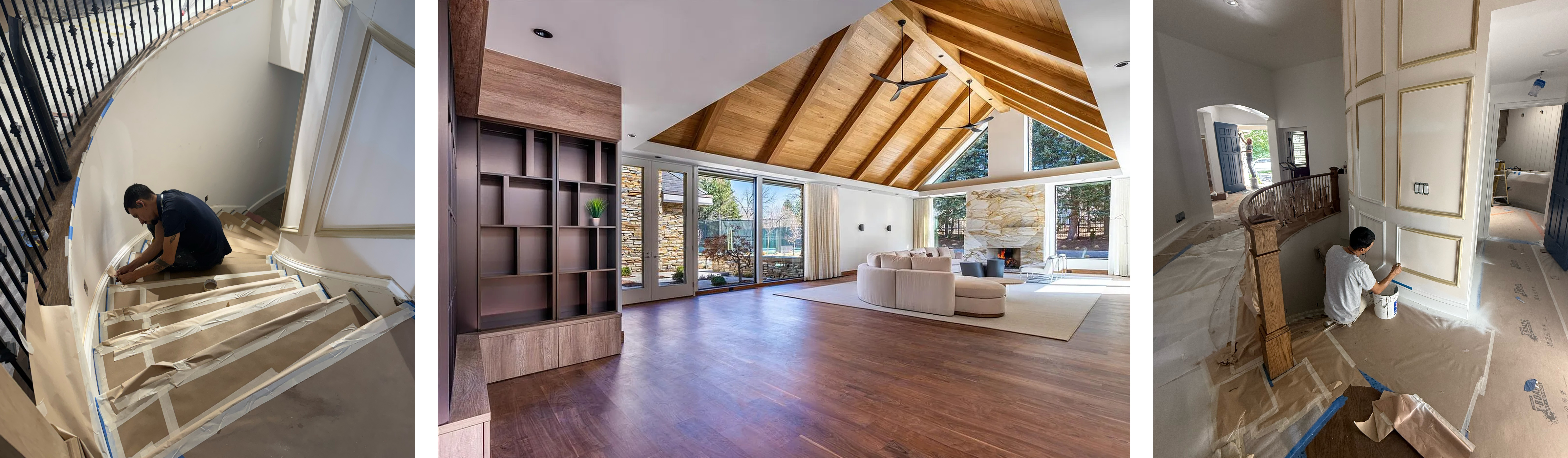
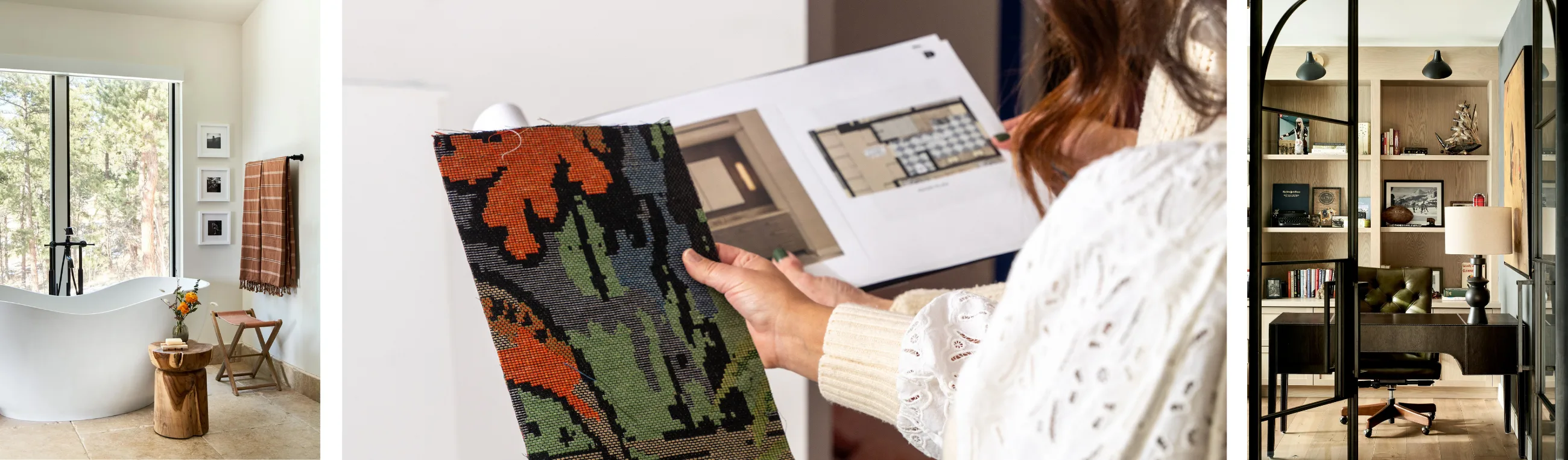
When children leave home, spaces that once supported daily family life can begin to feel oversized or misaligned. Rooms go unused. Spaces that once served active family routines may now feel outdated, inefficient, or disconnected from how you live today. This shift often leads homeowners to consider right-sizing.
Right-sizing focuses on aligning a home with how you live now, rather than simply reducing square footage. Through thoughtful interior design concepts and a commitment to cohesive interior design, you can build a home that feels intentional, efficient, beautiful, and tailored to this new chapter.
This guide explains how to right-size with purpose. It covers key design strategies, common questions, and fresh insights that help you rethink what your next home could be, not just smaller, but smarter.
Right-Sizing vs. Downsizing: What’s the Difference?
At first glance, right-sizing and downsizing might sound like the same thing. But they serve very different purposes, especially for homeowners who value thoughtful living and long-term comfort.
Downsizing usually focuses on reducing square footage, cutting back on maintenance, or saving money. It’s about “less.”
Right-sizing is more strategic. It’s about designing a home that fits how you live now, and how you want to live next. It asks: What spaces do I truly use? What features support my daily life? What brings me comfort, clarity, and connection?
You might trade extra bedrooms for a larger kitchen, rework formal living areas into flexible spaces, or shift from large outdoor yards to refined patios with less upkeep. The goal is not less space, but better use of it.
According to the National Association of Realtors®, 42% of baby boomers plan to move within the next five years. For most, the primary driver is lifestyle rather than square footage. They want a home that reflects their current needs and personal values, not just a place that’s easier to clean or cheaper to heat.
This is where interior design makes a measurable difference.
Why Interior Design Concepts Matter During Right-Sizing
When moving into a home with a smaller or more focused layout, the design must work harder. Every decision counts. That’s why strong interior design concepts are essential for creating a home that feels elegant, efficient, and meaningful.
Design shapes how a home functions, flows, and supports daily life. When guided by a clear interior design process, right-sizing becomes an opportunity to improve daily life rather than a compromise.
1. Plan Spaces That Work Harder, and Smarter
Right-sized homes require intentional planning. Every room should serve a purpose, or ideally, multiple purposes, without feeling overstuffed or makeshift.
For example:
- A guest bedroom can double as a library or office, with built-in shelving and a pull-out daybed.
- A hallway can include integrated storage or display niches, turning a transitional area into something useful and expressive.
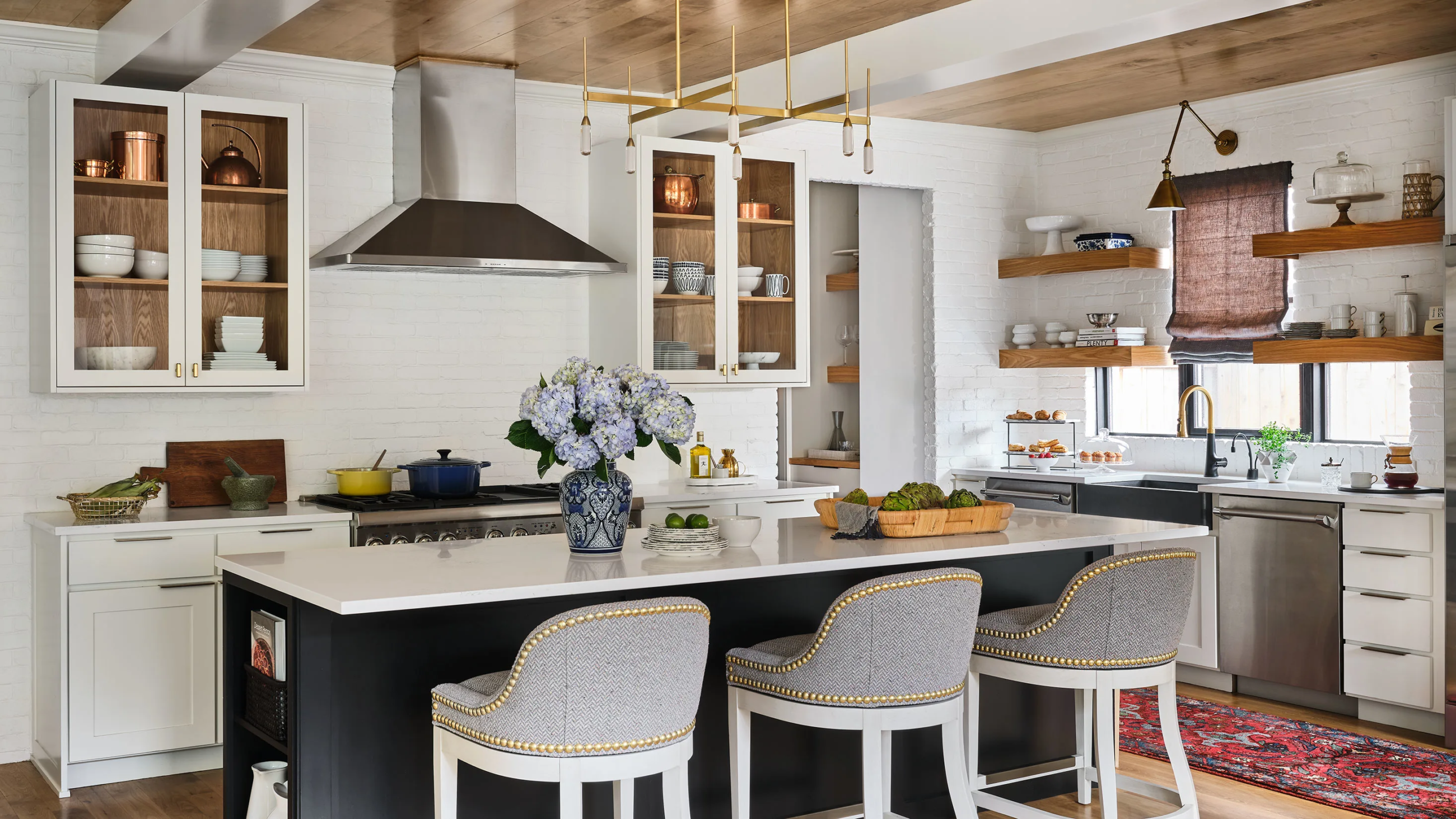
- A kitchen island might house drawers for dinnerware, open shelving for cookbooks, and electrical outlets for work-from-home needs.
Designers help translate square footage into livable, flexible solutions. It’s not just about fitting everything in, it’s about choosing what belongs and designing for it with clarity.
2. Use Light to Expand Space
Smaller homes benefit immensely from light-aware design. Natural light, in particular, has the power to make a home feel larger, warmer, and more inviting.
Design strategies include:
- Enlarging windows or reorienting furniture to make the most of views and daylight
- Using reflective surfaces like glass, polished wood, or brushed metal to bounce light
- Choosing light wall colors to create openness, balanced with grounding elements like wood or stone
According to a report from the American Institute of Architects, natural light and connection to the outdoors remain top priorities for homeowners over 55. Smart lighting design honors this while enhancing spatial comfort.
3. Choose Materials That Do More
The right materials don’t just look good, they improve how a home lives.
- Soft-close drawers in compact kitchens reduce noise and add longevity
- Natural stone or quartz surfaces provide durability without compromising aesthetics
- Performance fabrics make seating more versatile, especially in multipurpose rooms
Thoughtful finishes elevate both form and function. This is where interior design becomes a tool for long-term livability, not just short-term style. Understanding how much an interior designer costs often helps homeowners see how thoughtful planning can reduce future expenses by preventing rework or premature replacements.
4. Create Emotional Connection Through Design
Transitioning from a longtime family home often carries both anticipation and emotional weight. Good design can help bridge that emotional shift.
Interior designers focus on layout, texture, lighting, and personalization to create spaces that feel grounded, expressive, and calm.
Examples include:
- Reworking heirloom furniture to fit a new space, such as shortening a dining table or refinishing an antique desk
- Curating artwork in a cohesive way, so memories remain part of the home without overwhelming it
- Designing small rituals into daily flow: a coffee bar tucked into the kitchen, a reading bench by the window, a garden path visible from the bedroom
These details create continuity between past and present, even within a new home.
Right-sizing reframes how space is used rather than focusing on what is removed. It’s about making better use of what you keep, and designing with future quality of life in mind. For many, this is a final or long-term home, and it should support that vision with elegance and ease.
Interior design concepts help translate big goals into practical choices. They ensure your home works for you today, while still feeling beautiful and enduring five, ten, or twenty years from now.
Next, we’ll explore how these concepts tie into cohesive interior design, aging in place, and the key questions most homeowners ask when planning this transition. But the foundation remains the same: design with purpose, and your space will reflect the life you’ve built, and the one you’re continuing to shape.
Interior Design Concepts That Make Right-Sizing Work
In a right-sized home, design must be purposeful as well as visually considered. Every detail, layout, and finish should reflect how you live now and anticipate how your needs may change in the years ahead. The right interior design concepts will not only improve how your home functions, but also how it feels.
This expanded guide breaks down five essential concepts that make smaller homes smarter, more personal, and more lasting.
Concept 1: Purpose-Driven Planning
In a right-sized home, every room should serve a clear purpose, sometimes more than one.
This starts with asking the right questions:
- How do I use this space every day?
- What matters most right now: storage, flexibility, privacy, or comfort?
- Can one space support different needs, like work and hosting?
Instead of defaulting to old layouts, designers help you rethink how rooms can be more useful and personal. A former child’s bedroom, for instance, might transform into a home office with a built-in desk, shelving for books or archives, and a pull-out sleeper for occasional visitors. Thoughtful lighting, a comfortable chair, and layered textiles can make it feel intentional, not temporary.
This type of purposeful design keeps the footprint efficient while giving every space meaning and clarity.
Concept 2: Function Over Footage
The quality of a home is defined less by its size than by how effectively the space is used. A smaller home that’s thoughtfully designed can feel more open, comfortable, and inviting than a much larger one with poor layout.
Designers focus on:
- Open sightlines: Fewer walls and barriers create better flow
- Strategic furniture placement: Helps rooms feel balanced and breathable
- Layered lighting: Allows for flexibility depending on the time of day or activity
For example, a formal dining room may be replaced with a built-in banquette and extendable table in the kitchen, perfect for quiet dinners or larger gatherings. A hallway might include custom cabinetry to replace the need for a separate storage room.
This type of layout planning is not just about saving space. It’s about improving the quality of life in every room.
Concept 3: Natural Light and Visual Expansion
Natural light is one of the most powerful tools in interior design, especially when square footage is limited. It can open up a room, improve mood, and support your daily rhythm.
Designers use several strategies to maximize light:
- Larger or repositioned windows to capture views and bring in sunlight
- Skylights in spaces like hallways or bathrooms
- Reflective materials such as brushed metal, glass, or glossy tile
- Lighter paint tones that make spaces feel more open and airy
In regions like Colorado, where sunlight is abundant and mountain views are prized, window placement becomes even more important. A small sitting area can feel expansive if it’s positioned to frame a view or bathe in morning light. Many homeowners benefit from working with residential interior design services in Colorado that understand how climate and landscape affect design decisions.
According to a 2023 Houzz survey, 74% of homeowners over 55 say natural light is one of their top remodeling priorities. This supports comfort, daily rhythm, and overall well-being.
Concept 4: Smart Storage Without Sacrificing Space
One of the biggest concerns people have about moving into a smaller home is storage. But in well-designed homes, storage can be more effective, not just more abundant.
Examples of space-saving solutions include:
- Floor-to-ceiling built-ins that feel architectural and intentional
- Window seats with hidden compartments for seasonal items or blankets
- Dual-purpose islands that store dishes, serve as workstations, and provide casual seating
- Entry benches or mudroom lockers for everyday essentials
This kind of integrated storage is a major advantage of working with a full-service design team. These solutions are customized to your home and your lifestyle, not tacked on as an afterthought.
The result is a home that feels clear, composed, and efficient, even within a smaller footprint.
Concept 5: Emotional Connection Through Design
Letting go of a family home can be emotional. Many homeowners hesitate to right-size because they feel deeply attached to where they raised children or hosted family holidays.
Interior design can help carry that emotional connection into a new space, without making it feel stuck in the past.
Designers can:
- Reimagine heirlooms (e.g., reupholstering a beloved chair in updated fabric)
- Reframe or regroup artwork for better visual cohesion
- Design around new passions, like a reading nook with built-ins or a wellness room with natural light and calming materials
This approach helps your new home reflect your current values while still honoring your past. It’s not about starting over, it’s about building forward with intention. Rather than chasing trends, many right-sized homes draw inspiration from timeless interior design, where quality, proportion, and meaning guide every choice.
Why Cohesive Interior Design Matters in Smaller Homes
When square footage shrinks, design unity becomes even more important. Cohesive interior design ensures that all the rooms in your home feel like part of a whole, even if their purposes are different.
Cohesion is about consistency, not sameness. It involves:
- Repeating elements like material types, colors, and finishes across rooms
- Designing smooth transitions between open and closed spaces
- Balancing contrast (light/dark, texture/smooth) with visual continuity
In a right-sized home, mismatched elements can make the space feel disjointed. But with a cohesive plan, even a modest layout can feel expansive and elevated. This level of cohesion is often best achieved through full-service interior designers who oversee the process from early planning through final execution, ensuring that every decision supports the whole.
Designing to Age in Place, Beautifully
For many people right-sizing in their 50s, 60s, or 70s, this move isn’t temporary, it’s the foundation for long-term comfort. That’s why design choices should also support aging in place.
Instead of medical-looking fixtures or obvious accessibility features, designers use strategies that blend function with beauty.
Such As:
- Wider doorways and hallways for ease of movement
- Zero-threshold showers that eliminate tripping hazards
- Touchless faucets and lever handles for ease of use
- Low-glare, layered lighting for better visibility
- Slip-resistant floors that don’t sacrifice texture or elegance
The goal is to design a home that looks timeless, and works for decades.
A study from AARP found that 77% of adults over age 50 want to stay in their homes as they age, but only 1 in 3 homes is designed for long-term accessibility. That gap creates both risk and opportunity.
By planning now, you can create a space that supports independence and dignity, without compromising taste or style.
How do I keep the ability to host family? Designers often create convertible guest spaces, such as wall beds hidden in cabinetry, or daybeds that double as seating. Open-plan kitchens with islands provide casual entertaining space even without a formal dining room.
Can I keep any of my old furniture? Some, yes. But not all pieces will scale correctly in a smaller home. A design professional can help assess what works, what can be modified, and what needs to be replaced with custom or right-sized options.
Will a smaller home still feel luxurious? Absolutely, if it’s designed well. Interior design concepts like built-in architectural details, custom millwork, natural materials, and smart lighting create luxury at any size. True elegance comes from precision and restraint, not square footage.
What Statistics Tell Us
- Boomers account for nearly 40% of all U.S. home buyers, and 67% say their next home must be “easier to maintain” while still feeling “high quality”
- Over 60% of homeowners over age 55 are looking to remodel or relocate to better support long-term lifestyle goals
- The top motivators? Comfort, ease, and alignment with current lifestyle, not just cost savings
Interior design is the key to meeting those goals.
Duet Design’s Approach to Right-Sizing
At Duet, we work with clients who are thoughtful, discerning, and invested in quality. Many are navigating this right-sizing moment after decades in a large home. Our approach combines full-service interior design with custom construction, allowing us to guide every detail, from layout to finish.
We start with your story: how you live, what matters most, and how your home can support your next decade (or two). Then we create a space grounded in process, clarity, and lasting value. Whether it’s your final home or simply your next one, we ensure it reflects your life now, and the legacy you want to leave behind.
Ready to Begin?
Right-sizing can create opportunity rather than compromise. It can be the start of your most meaningful home yet, one where every space has a purpose, every detail reflects your values, and every room supports your future.
Explore how Duet Design can bring clarity, structure, and elegance to your next chapter. Contact us to learn more