Designing a custom home offers the opportunity to shape a living environment that reflects both how you live today and how you intend to live over time. But the process is layered and complex, particularly without a clear understanding of how the stages unfold. From choosing land to working with designers, from making decisions to managing timelines, custom home projects take time, coordination, and a clear understanding of the process.
In this guide, we’ll explain what designing a custom home really involves, how it works in Colorado, and what homeowners need to know before they begin. Whether you’re thinking about your forever home, a vacation retreat, or a multi-generational residence, this article will help you plan with confidence, especially when paired with a strong understanding of the custom home building process.
What Does It Mean to Design a Custom Home?
Designing a custom home means building a home from the ground up, tailored to your needs, tastes, and lifestyle. It’s not the same as remodeling or buying a ready-made house. With a custom home, you control nearly every detail, from layout and lighting to materials and mechanical systems. Many of these decisions are guided by early interior design concepts that help translate lifestyle goals into spatial plans.
That level of freedom is what makes the process both powerful and demanding. But it also means more decisions, longer timelines, and greater investment. When done well, the result is a home that fits your life exactly, now and in the future, supported by a clearly defined interior design process that keeps decisions organized and intentional.
Why More Homeowners Are Choosing Custom Homes
More homeowners are choosing custom homes as a way to prioritize long-term value, performance, and highly functional living environments. According to a recent report from the National Association of Home Builders (NAHB), custom home starts were up 16% year-over-year in the Mountain West, with Colorado among the top states for growth.
This shift is being driven by several factors, including a desire for homes that support remote work, higher performance standards, and more intentional layouts influenced by timeless interior design rather than short-lived trends.
- More remote work: People want homes that support both life and work.
- Land availability: In areas outside Denver and along the Front Range, homeowners can still find land to build on.
- Higher design standards: Today’s homeowners want homes that look and perform better, not just now, but decades from now.
But those benefits come with tradeoffs. Let’s look at what the process actually includes.
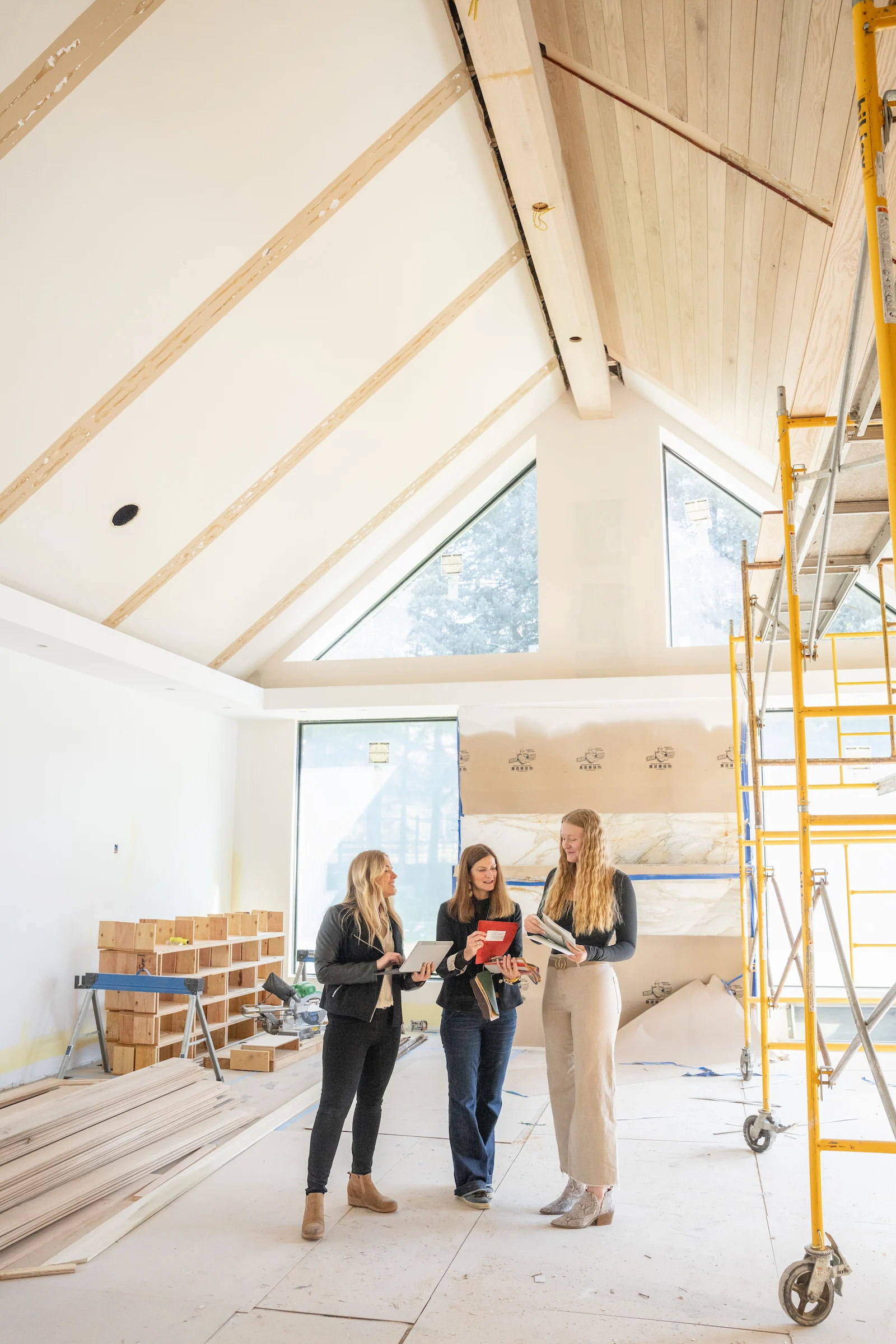
Step-by-Step: What Designing a Custom Home Really Looks Like
Designing a custom home doesn’t happen overnight. It takes time, planning, and a structured process. When done right, it results in a space that works for your life today and adapts to what you’ll need 10 or 20 years from now. Below is a breakdown of the five major phases involved, and what to expect at each stage.
1. Planning and Discovery
This is the foundation of the entire project. Before any sketches or floor plans are made, your team (which may include a designer, builder, and architect) works with you to set clear goals. This phase focuses less on finishes and more on understanding how the home must support daily life, long-term goals, and evolving needs. This phase closely overlaps with pre-construction planning, where zoning, site conditions, and feasibility are evaluated early to prevent costly surprises later.
Key questions you’ll answer together:
- What are your lifestyle goals for the next 5, 10, or 20 years?
- Will this be your main home or a vacation retreat?
- What’s most important: privacy, views, natural light, entertaining, or flexibility?
- How much time do you want to spend on the process?
- What’s your ideal timeline and budget range?
This phase also includes practical planning, like reviewing zoning laws, gathering surveys, checking environmental factors, and assessing the property’s slope or access. In Colorado, this step is especially important. Missing something early, like a site that needs major retaining walls or septic approval, can cost tens of thousands later.
Estimated timeframe: 1–2 months
According to NAHB, nearly 48% of costly change orders in custom home projects could be avoided through stronger early planning.
2. Schematic Design
This is where your home begins to take shape on paper. The design team will draft rough floor plans, exterior layouts, and early 3D massing (the shape and size of your home).
At this stage, the focus remains on big-picture decisions, such as:
- Where do the main living spaces go?
- How do views, light, and privacy affect the layout?
- Should the guest bedrooms be separate from the main suite?
- Do you want a separate office, gym, or aging-in-place features?
This phase is critical for alignment. It allows everyone, client, designer, builder, to weigh in early before moving into more detailed work. It’s also when preliminary cost estimates are shared to make sure the vision matches your investment range.
Estimated timeframe: 2–3 months
Helpful tip: A well-done schematic design can reduce mid-project changes by up to 30%, saving both time and money.
3. Design Development
This is where the ideas become real. The plans are refined and expanded to include materials, systems, and how each space will function. It’s also where true craftsmanship starts to come into focus. Materials, systems, and custom details are refined, often drawing inspiration from curated luxury home interior design ideas while remaining grounded in budget and buildability.
This phase includes decisions about:
- Flooring, cabinetry, and built-ins
- Window and door placements
- Plumbing, lighting, and electrical layouts
- Custom details like stair railings, fireplaces, and millwork
You’ll also start reviewing more advanced visuals: 3D renderings, interior elevations, and real-world material samples. The builder works closely with the design team to manage budgets and logistics while ensuring quality stays high. This is also when homeowners begin to understand the true scope of their investment, including how much an interior designer costs once selections, detailing, and coordination are fully defined.
Estimated timeframe: 3–5 months
Helpful tip: Projects with detailed Design Development documents are 60% less likely to experience delays during construction.
4. Construction Documents and Permits
Once design decisions are finalized, they’re translated into highly technical construction drawings. These are used for bidding, permitting, and eventually building your home. Every measurement, system, and material must meet local codes and safety requirements.
In Colorado, this often includes:
- Structural engineering
- Energy performance calculations
- Wildfire-resistant design (depending on location)
- Landscape drainage and grading plans
Permitting timelines vary by county, especially in design-sensitive areas like Vail or Boulder. In some regions, reviews can take several months or involve multiple rounds of feedback from design review boards. Including a permit strategy early, especially during pre-construction planning, can significantly reduce approval timelines.
Estimated timeframe: 3–6 months
Helpful tip: Including a permit strategy in your pre-design phase can reduce waiting time by up to 40%, especially in areas with seasonal construction windows.
5. Construction
Once permits are approved, the build begins. This phase is the most visible, but it still requires constant coordination behind the scenes. Your builder will oversee site work, subcontractors, scheduling, and quality control. You’ll also have regular updates and walk-throughs to check progress.
What can affect your timeline:
- Labor shortages or delayed inspections
- Material availability (some items have 6–12 month lead times)
- Weather (especially in mountain regions with snow and mud seasons)
Even with detailed planning, design decisions may still arise during this phase. That’s why having a strong team that communicates clearly is essential.
Estimated timeframe: 12–24 months
Helpful tip: According to data from the U.S. Census Bureau, the national average for custom home construction is 14 months, but in Colorado, expect 18–24 months due to terrain and climate.
Custom Home Design in Colorado: What Makes It Unique?
Designing and building a custom home design in Colorado isn’t like building in other states. The mountain landscape, climate, and regulations all bring unique challenges, and opportunities.
Key considerations include:
- Topography: Many lots are steep or irregular, requiring retaining walls, custom foundations, and thoughtful site orientation.
- Climate: High elevations bring snow loads, fast temperature shifts, and intense sunlight. Homes must be designed to perform through every season.
- Wildfire zones: Areas prone to fire require non-combustible materials, defensible space, and specialized landscape plans.
- Design review boards: In places like Vail, Boulder, and Aspen, projects must pass detailed visual and environmental review before permits are issued.
Helpful tip: Builders and designers with deep experience in Colorado can often anticipate issues that others miss. That insight protects your timeline, investment, and long-term satisfaction.
Realistic Timelines: What to Expect from Start to Finish
From the initial planning meeting to move-in day, a full custom home project typically spans 24 to 36 months or more. The process begins with planning and schematic design, which usually takes 3 to 4 months. Design development follows, often requiring an additional 3 to 5 months to refine layouts, materials, and systems. Producing construction documents takes another 3 to 4 months, followed by the permitting phase, which can range from 3 to 6 months depending on location and review complexity. Once permits are secured, construction begins, usually lasting between 12 and 24 months, depending on the size, site conditions, and scope of the build. It’s important to note that homes rushed through early planning stages or built without coordinated design teams often take longer overall due to change orders, miscommunication, or rework. Prioritizing clear decisions and structured coordination early on saves time in the long run.
What Does a Custom Home in Colorado Cost?
There’s no fixed number for building a custom home, but understanding the main cost factors helps set realistic expectations. In Colorado, pricing can range widely depending on the quality of materials, land conditions, and size of the home.
Main cost drivers include:
- Site preparation: sloped sites, utility hookups, road access
- Square footage and complexity of layout
- Quality of finishes, appliances, and systems
- Energy efficiency and smart-home technology
- Location: mountain towns often cost more due to labor and logistics
Typical range:
- $600–$1,200 per square foot
- Higher-end projects with complex detailing or remote sites may exceed this
Soft costs to factor in:
- Design and architectural fees
- Permits and engineering
- Landscaping and outdoor spaces
- Furnishings and décor
- Contingency for price increases (10–15% is smart)
Helpful tip: Plan your budget in phases. A thoughtful budget review at each design milestone reduces surprises during construction.
Common Mistakes to Avoid in Custom Home Design
Even the most experienced homeowners can run into trouble when building a custom home. That’s not because they lack vision or care. More often, it’s because they underestimate just how detailed and layered the process really is.
Here are some of the most common missteps, and how to avoid them.
1. Underestimating the Number of Decisions Involved
A custom home requires thousands of decisions. Every door handle, outlet, light switch, tile pattern, and paint color must be selected. Even small details, like which direction wood flooring should run, can affect how a space feels.
When these decisions are rushed or made out of sequence, the result is often delay, added cost, or a home that feels visually or functionally disconnected.
Work with a team that offers a structured, step-by-step process and gives you time to make thoughtful, informed choices.
2. Assuming Your Current Furniture Will Fit or Feel Right
Many clients expect to reuse existing furniture, especially when upsizing. But most furniture is scaled for different rooms, ceiling heights, or layouts. In a custom home, especially one with open floor plans or tall ceilings, pieces can feel too small, too dark, or visually out of place.
According to the American Society of Interior Designers, up to 70% of furnishings in new builds are replaced within the first two years, usually because they no longer feel appropriate for the space.
Include furniture planning in the design process from the start. The best homes are designed holistically, with architecture, furnishings, and flow working together.
3. Wanting Speed Without Sacrificing Quality
The desire to “move fast” can be understandable, but speed often comes at the expense of planning, craftsmanship, or overall cohesion. This is especially risky in Colorado, where site challenges, long-lead materials, and seasonal weather require careful scheduling.
What happens when you rush:
- Critical steps (like permitting or site engineering) get skipped
- Design intent gets lost to speed-driven substitutions
- Final results may feel incomplete or poorly executed
Prioritize quality over quick fixes. A strong team will provide a realistic timeline and help you make smart early decisions that reduce slowdowns later.
4. Bringing in Builders or Designers Too Late
Some clients try to start with just an architect or a basic floor plan, then bring in the rest of the team later. But when the builder and designer aren’t included early, coordination gaps occur. That leads to redesigns, budget disconnects, or elements that don’t support the way you actually want to live.
Homes built with an integrated design-build team are 33% faster to complete and have fewer change orders than those built with siloed partners (according to McKinsey’s Global Construction Survey).
Choose a collaborative team from the beginning. When your architect, builder, and interior designer work in sync, the result is a more aligned, efficient process, and a better home.
5. Skipping Pre-Construction Planning
Some homeowners want to “just get started” without investing in pre-construction work. This usually backfires. When planning is skipped, critical sitework, permitting, or budgeting steps are missed, and the project stalls.
Examples of what pre-construction planning should include:
- Final scope review
- Schedule sequencing
- Site logistics
- Ordering materials with long lead times (some take 30+ weeks)
Treat pre-construction like its own phase, not just paperwork. It’s where thoughtful strategy sets the tone for everything that follows.
Future-Proofing: Designing for the Long Haul
A custom home isn’t just about what you want today, it should also support the life you’re building for the future. That’s why Duet encourages clients to think beyond the present and plan for long-term flexibility, comfort, and performance.
What Does Future-Proofing Look Like?
Future-proofing focuses on creating a home that can adapt gracefully as needs evolve.
Here are several strategies we recommend:
1. Multi-Generational Layouts and Guest Flexibility
Whether you’re hosting family during the holidays, welcoming adult children, or supporting aging parents, having flexible guest quarters is one of the most valuable choices you can make.
Ideas that work:
- Guest suites with private entrances
- Lower-level living zones with kitchenettes
- ADUs (Accessory Dwelling Units) for long-term visitors or live-in support
2. Aging-in-Place Features (That Don’t Feel Clinical)
Many homeowners want their custom home to be their forever home. Smart aging-in-place planning makes that possible without sacrificing aesthetics.
Key design features include:
- Zero-step entries
- Wider doorways and hallways
- Reinforced walls for future grab bar installation
- Main-level primary suites
- Flush thresholds between rooms and outdoor spaces
These are small details that make a big difference, and when integrated early, they blend beautifully into the design.
3. Spaces for Wellness, Work, and Hobbies
Remote work, fitness routines, and creative interests are no longer side notes. Your home should support them with spaces designed for focus and restoration.
Ideas to consider:
- Dedicated home offices with acoustic planning and natural light
- Fitness rooms with cushioned flooring and AV setup
- Studios for art, music, or craft
- Infrared saunas, cold plunge areas, or wellness bathrooms
These spaces support daily routines, long-term wellness, and overall livability.
4. Energy Performance and Smart Technology
High-efficiency systems and home automation don’t just save energy, they make your home more resilient, comfortable, and secure.
In Colorado, consider:
- High-performance insulation and air sealing
- Radiant heat for cold months (especially in mountain areas)
- Solar readiness and EV charging
- Smart lighting, HVAC, and shading systems
Homes that meet the U.S. Department of Energy’s Zero Energy Ready standard can save homeowners 40–50% on energy bills annually compared to a typical new build.
Your Home, Your Legacy
Designing a custom home extends beyond construction, it is about shaping an environment that supports how life unfolds within it. It requires trust, clarity, and a team that leads with precision.
At Duet Design + Build, we help clients in Colorado create homes that reflect their values, honor their lifestyle, and stand the test of time. Whether you’re creating your primary residence or your forever retreat, we’re here to guide you through the process with insight, structure, and care.
A legacy home begins with clarity, alignment, and a well-led process. Our team is available to guide that work from the earliest stages. Explore our custom design-build services here, or contact us to schedule an initial conversation.