The discussion around open floor plan vs traditional layout has moved beyond style. Today, it is a decision that shapes how a home works, how it feels, and how it performs over time.
For homeowners who care about quality and long-term value, layout is not just about open space or separate rooms. It is about how a home supports daily life, adapts over time, and reflects a clear sense of order.
The choice between an open and traditional layout affects three key areas:
- Cost, both now and in the future
- Function, or how the home supports real routines
- Long-term value, including comfort and resale
Understanding these factors helps you make a decision that fits how you actually live.
What Does Open Floor Plan vs Traditional Layout Mean?
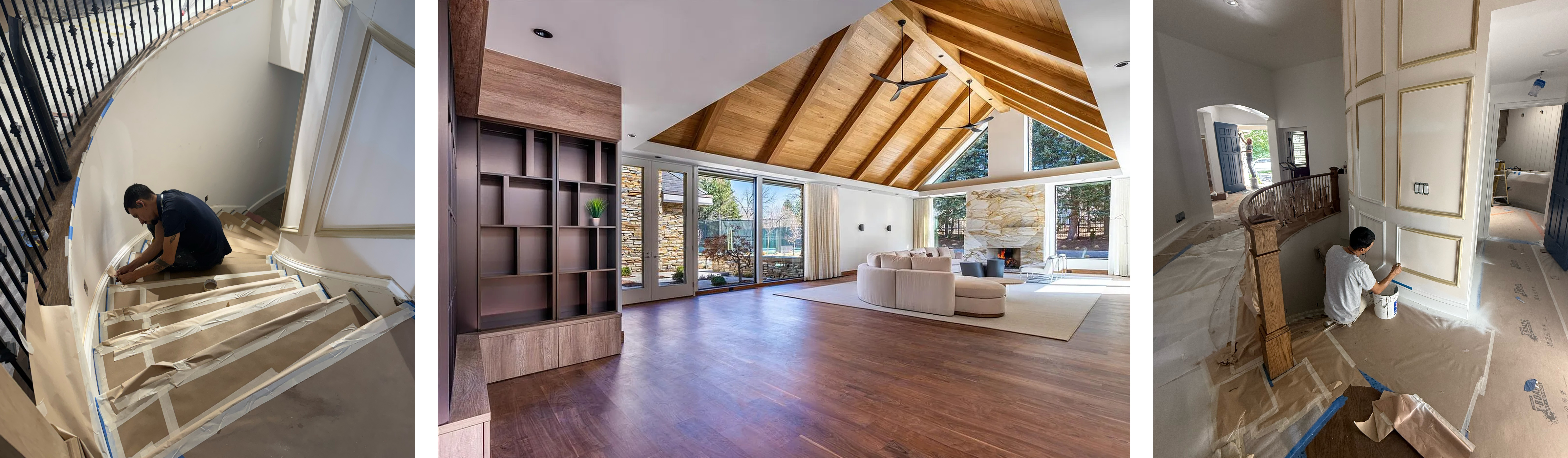
An open floor plan removes most walls between main living spaces. The kitchen, dining area, and living room often share one large space. This creates longer sightlines and allows light to move freely through the home.
A traditional layout separates rooms based on their purpose. Each space is more defined, with walls or partial divisions between areas.
The difference may seem simple, but the impact is significant. The open floor plan vs traditional layout decision shapes how a home feels and functions every day.
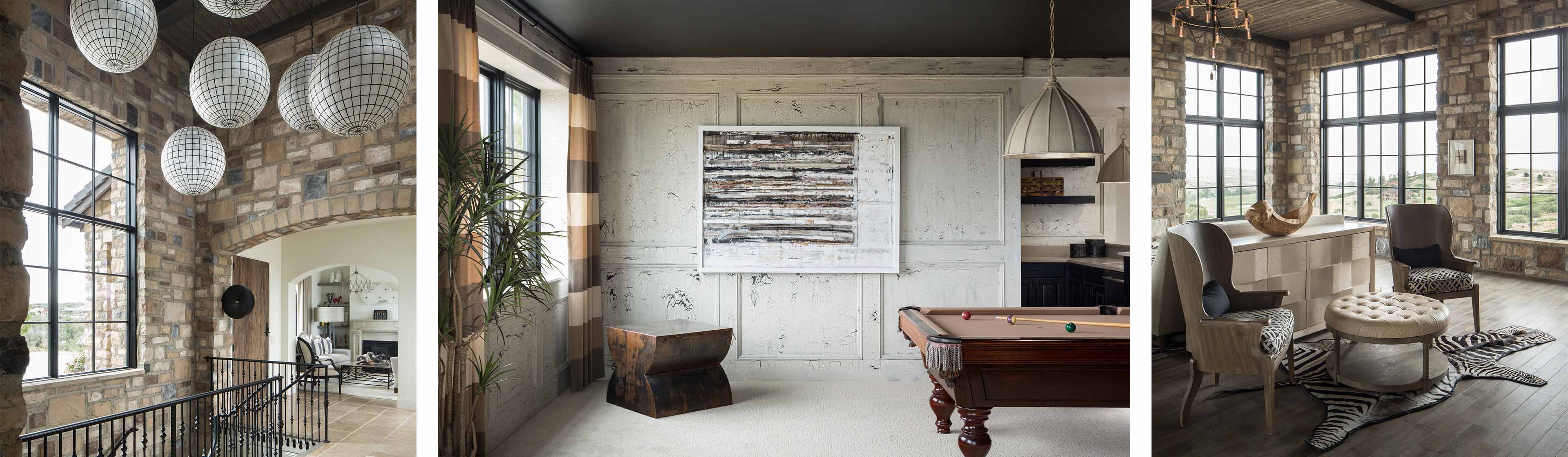
Open Floor Plan vs Traditional Layout: How Each Affects Daily Life
Function is where layout decisions become real. A home may look beautiful in photos or feel impressive during a walkthrough, but what matters most is how it supports daily living. The true test of any layout is not how open or formal it appears. The true test is whether it makes life easier, calmer, and more comfortable over time.
This is why the discussion around open floor plan vs traditional layout matters so much. Layout affects how people move through the home, how they interact with one another, how noise travels, how privacy is protected, and how well each room serves its purpose. It also shapes how the home feels at different times of day, from busy mornings to quiet evenings.
For some households, openness creates ease and connection. For others, too much openness creates distraction and stress. In the same way, defined rooms can feel peaceful and organized in one home, but too closed off in another. The best choice depends on how the people in the home actually live.
Why Daily Function Matters More Than Appearance
Many people begin thinking about layout from a visual point of view. They ask whether they want the home to feel open, airy, classic, or formal. Those questions matter, but they are only part of the picture.
A home is used every day. It supports meals, conversations, routines, work, rest, cleanup, entertaining, privacy, and transition. That means layout should respond to real patterns of life, not just design trends.
A well-planned layout can help with:
- Morning routines that feel more efficient
- Better flow between cooking, dining, and gathering
- Quiet spaces for reading, working, or resting
- Easier supervision of children or guests
- Less visual and mental clutter
- Greater comfort when multiple people are home at once
When layout works well, the home feels easier to live in. People do not always notice why, but they feel it. Movement is smoother. Rooms feel more useful. Activities do not compete with each other as much. The home begins to support life rather than interrupt it.
That is why open floor plan vs traditional layout is not just a style debate. It is a question of performance.
Open Floor Plans: Open, Connected, and Social
Open floor plans are designed to bring primary living spaces together. In most cases, the kitchen, dining area, and living room flow into one another with few or no full walls between them. This creates a shared central space that feels larger and more connected.
For many homeowners, this is appealing right away. The home feels bright. It feels open. It often feels more casual and welcoming. There is a sense that everyone can be together, even while doing different things.
How Open Floor Plans Support Daily Life
One of the biggest advantages of an open layout is that it encourages connection. People are not separated by walls, so interaction happens more naturally. A person cooking in the kitchen can still talk with family or guests in the living area. Someone setting the table can remain part of the conversation. Children can be more easily supervised from across the room.
This arrangement often supports:
- Easy movement between spaces
- Better visibility throughout the main living area
- More natural conversation between family members and guests
- A stronger sense of togetherness
- Better daylight distribution across the shared space
This can be especially helpful for households that enjoy entertaining. During gatherings, an open layout allows people to spread out without feeling separated. Food, conversation, and movement happen more freely. The home can feel more welcoming because there are fewer barriers between one activity and another.
Open layouts can also make a home feel larger than it is. Removing walls increases sightlines, which can visually expand the space. In homes with limited square footage, this can create a stronger sense of openness and reduce the feeling of being boxed in.
Why Open Layouts Often Feel Comfortable at First
Many homeowners are drawn to open plans because the benefits are immediately visible.
On first impression, these layouts often feel:
- Bright
- Spacious
- Airy
- Modern
- Flexible
This visual openness can be emotionally powerful. Large sightlines and shared volume create a feeling of freedom. Even if the square footage is modest, the home may feel more generous.
That first impression matters. It is one reason open layouts became so popular. But the daily experience of living in one is more complex.
The Challenges of Open Floor Plans
Open layouts do not separate activities very well. While that creates connection, it also means different parts of daily life happen in the same shared environment. Over time, this can become difficult.
Noise is one of the most common issues. In an open space, sound travels easily. A television in the living room, dishes in the kitchen, music, conversation, or children playing can all blend together. There are fewer surfaces and walls to contain sound, so the whole area may feel active all at once.
This becomes especially noticeable when:
- One person wants quiet while another is cooking
- Someone is working nearby while others are talking
- Family members have different schedules
- Children need supervision while adults need focus
- Guests are gathered while household tasks are still happening
Visual clutter is another concern. In an open layout, most of the shared living space is visible at once. That means kitchen counters, dishes, schoolwork, bags, appliances, and daily messes are all part of the same visual field.
In a traditional layout, clutter can often be contained by closing a door or leaving one room behind. In an open plan, it remains in view. This can make the home feel less calm, even when the space itself is beautiful.
Open Floor Plans and Competing Uses
One of the most important things to understand about open layouts is that they combine many uses into one area. This can work well when the household functions in sync. It becomes harder when multiple needs happen at once.
For example, the main shared space may need to serve as:
- A cooking zone
- A dining space
- A homework area
- A place for watching television
- A social area for guests
- A play space for children
That level of overlap can create friction. The issue is not that open layouts are bad. The issue is that they ask one space to do many jobs at the same time.
For some households, that flexibility is a strength. For others, it becomes a source of stress.
Who Often Benefits Most From an Open Layout
An open floor plan may be especially useful for homeowners who:
- Enjoy entertaining often
- Want strong connection between kitchen and living spaces
- Prefer a more casual and social atmosphere
- Live in a smaller home and want it to feel larger
- Value visibility across the main living area
- Want shared family interaction throughout the day
These layouts can also work well for couples or families who enjoy spending time in the same area, even when doing different things.
Still, even homeowners who love openness often benefit from having at least some separation elsewhere in the home. That is why many of the most successful homes use openness selectively rather than everywhere.
Traditional Layouts: Structured, Quiet, and Focused
Traditional layouts take a different approach. Instead of combining many functions into one open area, they define rooms more clearly. The kitchen is often its own room or partially enclosed. Dining rooms may be separate. Living rooms, studies, and family rooms each have a distinct purpose.
This type of planning creates stronger boundaries between activities. Rather than relying on one shared space to carry multiple roles, the home is organized so each space can support a specific use.
How Traditional Layouts Support Daily Life
One of the biggest strengths of a traditional layout is clarity. When rooms are defined, the home can feel more orderly. Activities are easier to separate. Each room has a stronger identity, which can make the home feel calmer and more intentional.
This often supports:
- Better control of noise
- Greater privacy
- Clear separation between active and quiet spaces
- More focused use of each room
- Better control over lighting and mood
- A stronger sense of routine and order
For example, a home office in a separate room can support concentration in a way that a desk in an open living area often cannot. A formal dining room can make meals feel more intentional. A separate living room can offer quiet and retreat apart from kitchen activity.
These distinctions may seem simple, but they shape the daily experience of the home in important ways.
Why Traditional Layouts Can Feel Calmer
Traditional layouts reduce competition between activities. A person reading in the den is not surrounded by kitchen noise. Someone working in a study can close the door. A family meal can happen in a room designed for gathering rather than in the middle of a larger multi-use space.
This separation often creates a stronger sense of calm. The home feels more controlled because each activity has a place. That can be especially valuable in households with busy schedules, multiple generations, or people working from home.
It can also help people transition more clearly through the day. Moving from room to room creates a natural rhythm. Cooking happens in one place. Rest happens in another. Work happens elsewhere. That physical structure can support mental clarity as well.
The Privacy Advantage of Traditional Layouts
Privacy is one of the biggest reasons some homeowners prefer traditional layouts. In an open home, it can be difficult to step away without going to a bedroom or leaving the main area entirely. In a traditional home, there are usually more options for retreat.
This matters for:
- Phone calls and virtual meetings
- Reading or studying
- Guests staying in the home
- Different bedtimes or schedules
- Quiet time during a busy day
- Multi-generational households
Privacy does not mean isolation. It means the home can support different needs at the same time. That is an important part of long-term livability.
Traditional Layouts and Atmosphere
Traditional layouts also allow each room to have its own character. Lighting, furniture, color, and mood can be tailored more precisely because each room is more self-contained.
This makes it easier to create spaces that feel:
- Cozy rather than exposed
- Formal when appropriate
- Quiet and restorative
- Purposeful and well-defined
A dining room can feel intimate. A library can feel quiet. A sitting room can feel removed from the noise of daily tasks. These shifts in atmosphere can make the home feel richer and more layered.
The Challenges of Traditional Layouts
Traditional layouts are not perfect. In some homes, too much separation can make daily life feel less connected. Walls may block light. Movement between rooms may feel less natural. The home may feel more compartmentalized than necessary.
This can be frustrating for homeowners who want:
- Easier interaction between kitchen and living areas
- More flexible use of space
- Better visibility of children or guests
- A more casual and connected atmosphere
In older homes, traditional layouts may also include rooms that no longer fit modern living patterns. A formal dining room may be underused. A closed kitchen may feel isolated. Narrow transitions between rooms may make the home feel less open than desired.
So while traditional layouts offer many strengths, they also need to be designed thoughtfully. The goal is not simply to have more rooms. The goal is to make sure each room serves a clear purpose and supports real life.
Who Often Benefits Most From a Traditional Layout
A traditional layout may work especially well for homeowners who:
- Work from home and need focus
- Value quiet and privacy
- Prefer defined spaces with clear purpose
- Want stronger control over noise and atmosphere
- Live in multi-generational households
- Like having separate rooms for entertaining, working, or retreating
These layouts are also often appealing to those who want the home to feel layered, intentional, and calm rather than fully exposed and always active.
Common Questions
Is an open layout better for families?
It can be, especially for families with young children or households that enjoy shared time in common spaces. An open layout makes it easier to supervise children, stay connected during meals, and include everyone in daily activity. However, as children get older or schedules become more complex, families often begin to want more privacy and separation.
Is a traditional layout better for working from home?
In many cases, yes. Traditional layouts make it easier to create quiet rooms with fewer distractions. If someone needs to take calls, concentrate for long periods, or keep work separate from home life, defined rooms usually support that better.
Does an open floor plan always feel bigger?
Visually, yes, it often does. Removing walls creates longer sightlines, which can make the home feel more spacious. But bigger does not always mean better. Some homeowners find that a large open space feels less comfortable because it lacks intimacy or clear purpose.
Are traditional layouts too formal for modern living?
Not necessarily. A traditional layout does not have to feel stiff or outdated. When designed well, it can feel warm, functional, and highly livable. The key is to make sure the rooms reflect how people live now, not how homes were used decades ago.
What if I want both openness and privacy?
That is often the best approach. Many of the most successful homes today combine open shared spaces with separate rooms for work, retreat, or overnight guests. This gives the home flexibility without sacrificing clarity.
Which layout is better for entertaining?
It depends on the kind of entertaining. Open layouts work well for casual gatherings where people move freely between cooking, dining, and socializing. Traditional layouts may be better for more formal entertaining, where different spaces support different parts of the evening.
Which layout feels better over time?
That depends on the household. Some people continue to love the openness and ease of a connected main living space. Others begin to feel overstimulated and want more separation. The long-term success of a layout depends on whether it fits real routines, changing needs, and the desired atmosphere of the home.
Open Concept vs Closed Floor Plan: A Shift in Thinking
Why homeowners are rethinking open concept vs closed floor plan
The conversation around open concept vs closed floor plan has changed in recent years.
Open concept living was once seen as the ideal. It felt modern and flexible. But as people spend more time at home, they are starting to notice its limits.
Common concerns include:
- Lack of quiet space
- Difficulty managing noise
- Limited privacy
- Fewer areas to step away and reset
Because of this, many homeowners are moving toward a more balanced approach.
Instead of choosing one or the other, they are combining both. This might include open living areas with separate rooms for work, rest, or retreat.
This shift shows that the open concept vs closed floor plan decision is not about choosing sides. It is about creating balance.
How Layout Affects Cost
The open floor plan vs traditional layout decision also affects how much a project costs.
Structural Changes
Open layouts often require removing walls. If those walls support the structure, they must be replaced with beams or other supports.
This adds complexity and cost.
Traditional layouts often use standard framing, which can be simpler to build. However, more walls also mean more materials and finishes.
Heating and Cooling
Large open spaces can be harder to heat and cool evenly. This may require larger or more advanced systems.
Traditional layouts allow for better zoning. Each room can be controlled more easily, which can improve comfort and efficiency.
Lighting
Open spaces need more thoughtful lighting. Since one large area serves many purposes, lighting must support all of them.
This often means more fixtures and more planning.
Traditional layouts make this easier. Each room can have its own lighting plan based on how it is used.
Long-Term Costs
Layout choices affect long-term costs as well.
Open layouts can be harder to change later. Adding walls or creating separation may require major work.
Traditional layouts are often easier to adjust over time since the structure is already divided.
Open Floor Plan vs Traditional Layout and Long-Term Value
Long-term value is not just about resale. It is about how well a home works over time.
Adapting to Change
A well-designed home should adapt as needs change.
Open layouts can feel flexible at first, but may not offer enough privacy later.
Traditional layouts allow rooms to change purpose more easily without major changes.
Daily Comfort
Open spaces often feel impressive at first. They create a strong visual impact.
Over time, some homeowners prefer more separation. They want quieter, more controlled environments.
Traditional layouts can feel more calm and structured, especially in daily life.
Resale Value
Buyer preferences are changing.
While open layouts are still popular, many buyers now look for:
- Flexible spaces
- Quiet areas for work
- Defined rooms with purpose
Homes that offer both openness and structure often stand out.
A Balanced Approach to Layout
The best homes today often combine both approaches.
This might include:
- Open living areas for gathering
- Private rooms for work and rest
- Partial walls or doors to create flexibility
- Thoughtful transitions between spaces
This approach brings together the strengths of both styles.
It reflects a more thoughtful way to approach the open floor plan vs traditional layout decision.
Frequent Questions About Open Floor Plan vs Traditional Layout
Is an open floor plan better for resale?
Not always. Buyers are starting to value flexibility and privacy as much as openness.
Are traditional layouts outdated?
No. They are evolving. Many homeowners now prefer defined spaces that still feel connected.
Can an open layout be changed later?
Yes, but it can be complex and expensive, especially if structural changes are needed.
Is it possible to combine both styles?
Yes. Many homes use a mix of open and traditional elements to create balance.
How do I choose the right layout?
Focus on how you live each day. Think about your routines, your need for privacy, and how you want your home to feel.
Open Floor Plan vs Traditional Layout
The choice between open floor plan vs traditional layout is not about following trends. It is about creating a home that works for you.
Open layouts offer connection and flow. Traditional layouts offer structure and control.
The best choice depends on how you live and what you value over time.
If you are planning a new home or renovation, layout is one of the most important decisions you will make. A thoughtful approach can improve comfort, reduce future costs, and create a home that supports your life for years to come.
If you want guidance on how to approach layout decisions with clarity and purpose, we invite you to connect with our team.