Interior lighting design shapes how a home feels, functions, and supports daily life. While many people focus on finishes or furniture, lighting is what allows those elements to perform at their best. It influences how we move through a space, how we see, and how we feel from morning to night.
For homeowners who value thoughtful design and long-term comfort, lighting is not an afterthought. It is part of the foundation. When approached with care, interior lighting design supports both the architecture of the home and the people who live in it.
A well-designed lighting plan creates clarity, reduces strain, and brings a quiet sense of ease to everyday living. Over time, this becomes one of the most important contributors to comfort.
Why Interior Lighting Design Matters for Long-Term Comfort
Interior lighting design plays a direct role in how comfortable a home feels over time. It affects visibility, mood, and physical ease.
As people age, their lighting needs change. The National Institute on Aging reports that adults over 60 often need two to three times more light than younger adults to see clearly. Without proper lighting, daily tasks can become difficult and tiring.
Good lighting design helps prevent this by:
- Improving visibility for everyday tasks
- Reducing eye strain and fatigue
- Supporting a calm and balanced environment
- Making movement through the home safer
When lighting is planned early, these benefits are built into the home. There is no need for constant adjustments or temporary fixes later.
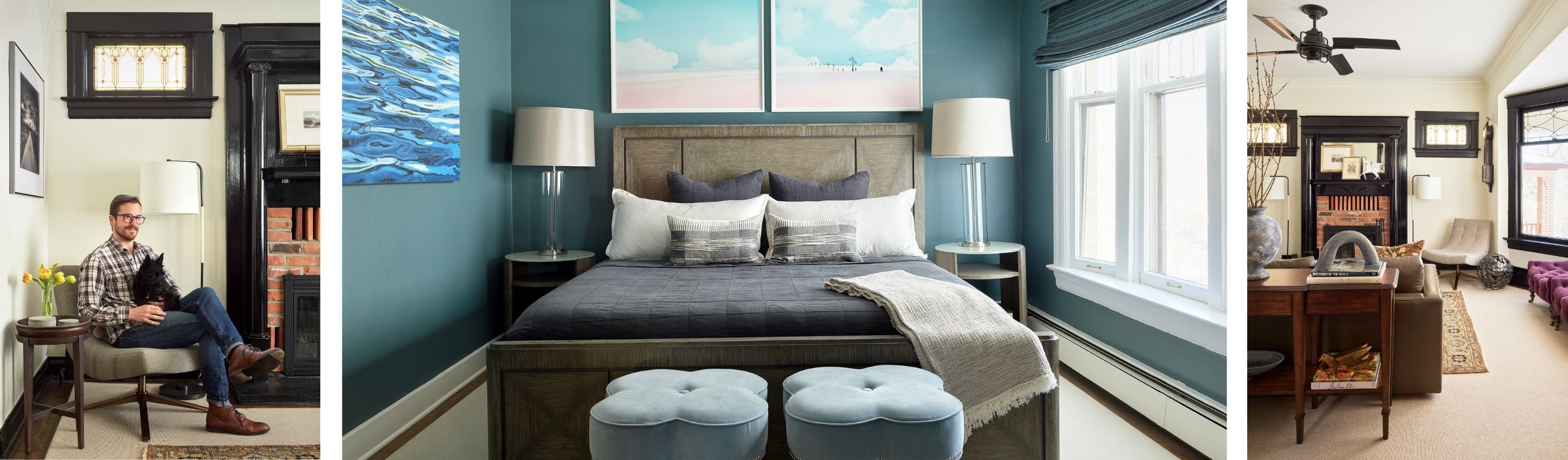
The Three Layers of Interior Lighting Design
A well-planned interior lighting design scheme does not rely on one light source to do everything. Instead, it uses layers. Each layer has a specific role, and together they create a home that feels more balanced, more comfortable, and easier to use throughout the day.
This is one of the most important ideas in interior lighting design because it helps a space work on both a practical and emotional level. A room should not only be bright enough to see in. It should also support the way people actually live. That includes cooking, reading, entertaining, relaxing, getting ready in the morning, and winding down at night.
When a room uses only one type of lighting, it often feels unfinished. Many homes rely too heavily on ceiling fixtures alone. While overhead lighting may provide enough brightness, it rarely creates the best experience. It can make a room feel flat, wash out details, and create shadows where people need light the most.
Layered lighting solves this problem by combining three main types of light:
- Ambient lighting
- Task lighting
- Accent lighting
Each one serves a different purpose. When all three are used together, the result is a room that feels complete, flexible, and easy to live in.
Ambient Lighting: The Base Layer of the Room
Ambient lighting is the general light that fills a room. It is the main source of illumination and sets the overall light level for the space. This is the layer that helps people move through a room safely and comfortably.
Ambient lighting can come from several sources, including:
- Recessed ceiling lights
- Flush mount or semi-flush ceiling fixtures
- Chandeliers
- Cove lighting
- Wall-mounted fixtures
- Natural light during the day
The goal of ambient lighting is to create an even level of brightness across the room. It should make the space feel open and usable without being harsh. Good ambient lighting gives the room structure. It allows people to enter the space, understand it clearly, and move through it with ease.
However, ambient lighting should not be expected to do everything. That is where many lighting plans fall short. If the only light in a room comes from overhead fixtures, the room may technically be bright, but it may not feel comfortable. Faces can appear shadowed. Work surfaces can be dim. Corners can feel dark. The room may also feel cold or overly exposed.
Ambient lighting works best when it is treated as the foundation, not the full solution.
Task Lighting: Light for Specific Activities
Task lighting is designed to support activities that require more focused visibility. This includes anything people do with their hands, eyes, or close attention.
Common uses for task lighting include:
- Reading in a chair or bed
- Preparing meals in the kitchen
- Applying makeup or shaving in the bathroom
- Working at a desk
- Sewing, crafting, or hobbies
- Doing homework or paperwork
Task lighting is especially important because general room lighting often does not provide enough direct illumination for detailed work. Even in a bright room, a person may still struggle to see clearly if the light is not placed where it is needed.
Examples of task lighting include:
- Under-cabinet lighting in kitchens
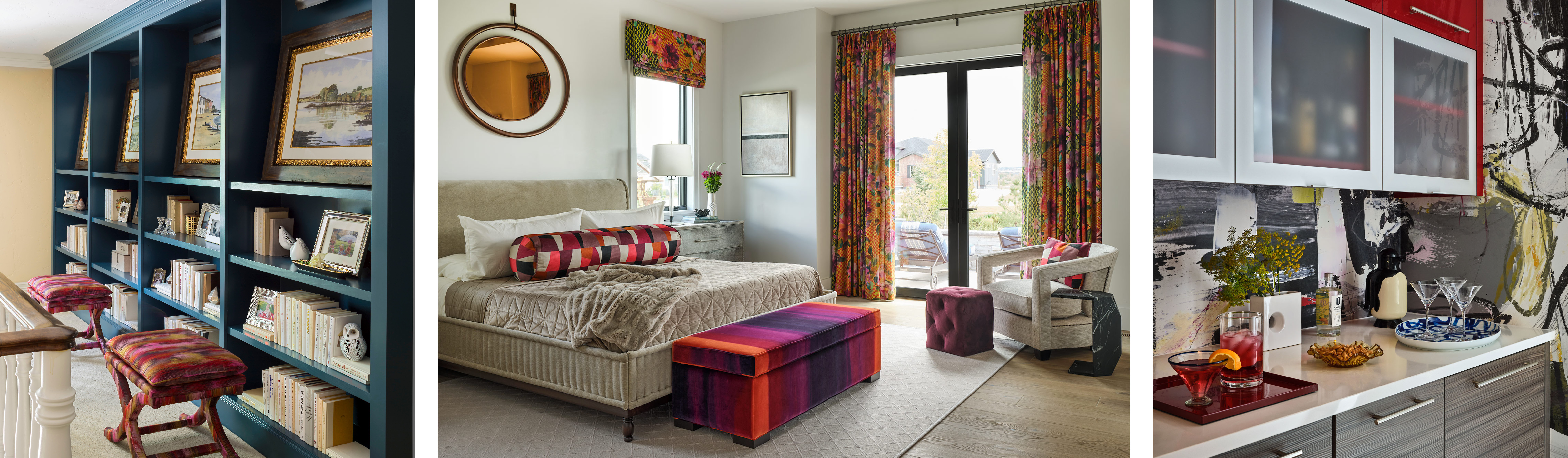
- Bedside reading lamps
- Desk lamps
- Vanity lighting at mirrors
- Pendant lights over work areas
- Adjustable sconces near seating
This layer improves function and reduces strain. It helps prevent squinting, awkward positioning, and eye fatigue. In spaces used every day, that matters more than many homeowners realize.
For example, in a kitchen, ceiling lights may brighten the room overall, but they often cast shadows on countertops when someone stands at the work surface. Under-cabinet lighting fixes that problem by bringing light directly to the area where chopping, mixing, and measuring happen.
In a bathroom, one overhead light may not be enough for grooming. Without task lighting at the mirror, shadows can fall across the face, making daily routines harder and less comfortable. Side-mounted fixtures or carefully placed mirror lighting provide a much more useful result.
Task lighting makes a space work better. It adds purpose to the lighting plan and helps the home support real daily life.
Accent Lighting: Light That Adds Depth and Focus
Accent lighting is used to draw attention to certain features in a room. It highlights what matters and gives the space more dimension. This layer is often what makes a room feel finished and thoughtful.
Accent lighting can be used to highlight:
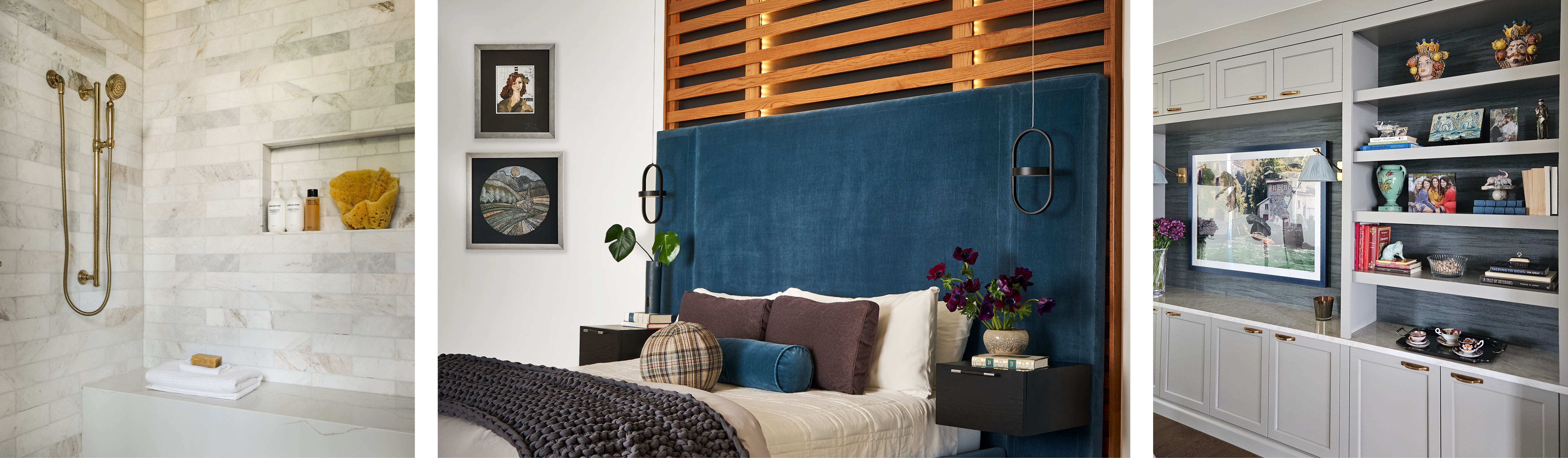
- Artwork
- Architectural details
- Textured walls
- Shelving
- Built-ins
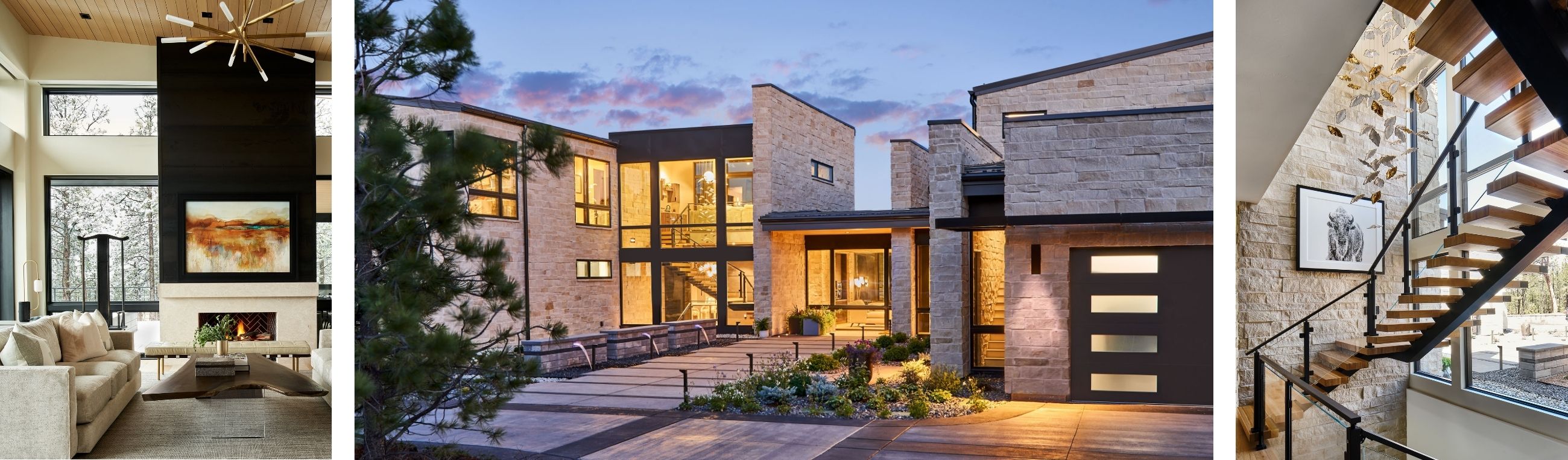
- Fireplaces
- Decorative objects
- Plants or sculptural elements
Examples of accent lighting include:
- Picture lights
- Wall washers
- Directional recessed lights
- LED strip lighting in shelves or cabinetry
- Small spotlights
- Toe-kick lighting
Accent lighting brings drama and depth to a room, but in a quiet and controlled way. It helps the eye move through the space. It creates focal points. It can also make a room feel warmer and more layered because it prevents every surface from being lit in the same way.
Without accent lighting, a room may feel visually flat. Everything is equally visible, but nothing stands out. With accent lighting, the space gains contrast and character.
This layer is not only decorative. It also helps support mood. A room with soft accent lighting often feels more relaxed in the evening than a room lit only by bright ceiling lights.
Why All Three Layers Matter Together
The real strength of interior lighting design comes from how these three layers work together. No single layer can create a complete lighting plan on its own.
Ambient lighting gives the room its base level of brightness.
Task lighting supports the way the room is used.
Accent lighting adds focus, depth, and atmosphere.
Together, they make a room more flexible. A space can shift from active to calm, from practical to welcoming, depending on the time of day or how it is being used.
For example, a living room may use:
- Ambient lighting from recessed ceiling fixtures
- Task lighting from a floor lamp near a reading chair
- Accent lighting from sconces or shelf lighting
This combination allows the room to support different needs. It can be bright enough for conversation or family activity during the evening, while still offering softer options for quiet reading or winding down later at night.
In a dining room, layered lighting might include:
- A central pendant or chandelier for ambient light
- Buffets or sideboard lamps for softer supporting light
- Accent lighting to highlight art or architectural millwork
This makes the room feel more refined and more useful, especially when entertaining.
Why One Overhead Light Is Usually Not Enough
A common question homeowners have is: why is one central ceiling light not enough?
The answer is simple. One light source usually cannot meet every need in a room.
A single overhead light tends to:
- Flatten the room visually
- Create harsh shadows
- Miss important work areas
- Feel too bright in some moments and too dim in others
- Limit flexibility
This is why rooms with only basic ceiling lighting often feel less comfortable, even if they are technically bright enough. Brightness alone is not the goal. The goal is usable, balanced, well-placed light.
Interior lighting design is about control. It allows each part of a room to receive the type of light it actually needs.
How Layered Lighting Improves Comfort Throughout the Day
Another reason layered lighting matters is that people do not use a room the same way all day long.
Morning, afternoon, and evening all call for different lighting conditions:
- In the morning, brighter light may help people feel alert and focused.
- In the afternoon, natural daylight may do much of the work.
- In the evening, softer lighting often feels more comfortable and calming.
A layered lighting plan makes these shifts possible. Instead of turning the same overhead fixture on and off, homeowners can adjust the room based on mood, function, and time of day.
This is especially valuable in multi-use spaces. A kitchen may serve as a place for cooking, working, gathering, and entertaining. A bedroom may need to support dressing, reading, relaxing, and sleeping. A living room may shift from family use during the day to a quieter retreat at night.
Layered lighting gives the room that flexibility.
Common Questions About Lighting Layers
What is the most important lighting layer?
Ambient lighting is the starting point because it provides overall visibility, but it is not the only important layer. A strong plan needs all three layers to feel complete.
Can a small room still use layered lighting?
Yes. Small rooms benefit from layered lighting just as much as large rooms. In fact, careful layering can make a smaller room feel more open, more useful, and more comfortable.
Do all rooms need all three layers?
Most rooms benefit from all three, but the balance may vary. A kitchen may need more task lighting. A hallway may rely more on ambient lighting. A living room may lean more heavily on accent lighting in the evening. The goal is not sameness. The goal is making each room work well.
Is accent lighting only for luxury homes?
No. Accent lighting can be simple and practical. Even a small bookshelf with integrated lighting or a well-placed wall sconce can make a room feel more complete. It is not about excess. It is about intention.
Can lamps count as part of layered lighting?
Yes. Table lamps, floor lamps, and reading lamps can play an important role in a layered lighting plan. Permanent fixtures are not the only option. Portable lighting can add flexibility and warmth.
How Interior Lighting Design Guides Movement
Lighting helps people move through a home with ease. It creates a natural flow from one space to another.
When lighting is planned well:
- Hallways feel clear and easy to navigate
- Staircases are safer and easier to use
- Entry points feel defined and welcoming
When lighting is inconsistent, it can create confusion. Dark transitions between rooms or uneven light levels can disrupt how a space feels.
Interior lighting design works with the layout of the home. It supports the way people move and interact with each space.
Balancing Natural Light and Interior Lighting Design
Natural light changes throughout the day. It depends on the time, season, and orientation of the home. Interior lighting design fills in the gaps and keeps the space consistent.
A thoughtful approach considers:
- How sunlight enters each room
- How lighting needs shift from day to night
- How to maintain comfort during darker seasons
The American Academy of Sleep Medicine has found that consistent lighting patterns can improve sleep quality and overall health. This makes it important to design lighting that works with natural rhythms.
Instead of competing with daylight, interior lighting design supports it. The goal is to create balance.
Architectural Lighting Design: A Deeper Level of Integration
What Is Architectural Lighting Design
Architectural lighting design focuses on how light is built into the structure of a home. It goes beyond fixtures and considers how light interacts with walls, ceilings, and materials.
This can include:
- Recessed lighting built into ceilings
- Hidden lighting that washes walls with soft light
- Integrated lighting in stairs or cabinetry
This approach creates a clean and refined look. It allows lighting to feel like part of the architecture, not something added later.
Why Architectural Lighting Design Supports Longevity
Architectural lighting design helps a home perform well over time. Because it is built into the structure, it does not rely on temporary solutions.
For example:
- Indirect lighting can reduce glare and improve comfort
- Built-in lighting can improve safety without adding visual clutter
- Integrated systems can adapt to changing needs
In one well-planned home, architectural lighting design ensures that every space feels intentional and easy to use. It supports both function and design without drawing attention to itself.
How Interior Lighting Design Shapes Daily Life
Interior lighting design affects daily routines in subtle but important ways.
In the morning, brighter light helps with focus and energy. In the evening, softer light helps the body relax.
Examples include:
- Bathrooms with layered lighting support both detailed tasks and evening routines
- Living rooms with adjustable lighting allow for both social time and quiet moments
- Bedrooms with controlled lighting improve sleep quality
Without these variations, spaces can feel flat and uncomfortable. Good lighting design adapts to the rhythm of the day.
How Materials Affect Lighting Performance
Lighting interacts with every surface in a room. Different materials change how light is reflected and absorbed.
Key factors include:
- Glossy surfaces reflect more light and can create glare
- Matte surfaces soften light and reduce harsh reflections
- Textured materials create depth through shadows
For example, a textured wall can look rich and detailed when lit from the right angle. The same wall can look flat if the lighting is not placed correctly.
Interior lighting design must account for these details. This is where precision becomes important.
Interior Lighting Design and Aging in Place
For homeowners planning to stay in their homes long term, lighting becomes even more important.
As vision changes, lighting must support:
- Clear visibility for daily tasks
- Reduced glare to prevent discomfort
- Consistent lighting along walking paths
- Strong contrast between surfaces
The National Institute on Aging notes that better lighting can reduce the risk of falls and improve safety.
When these elements are planned early, they blend into the design. The home remains refined while still supporting long-term needs.
The Role of Technology in Interior Lighting Design
Modern lighting systems offer more control than ever before. Technology can improve how lighting is used, but it must remain simple.
Useful features include:
- Adjustable brightness levels
- Changes in color temperature throughout the day
- Motion sensors in low-use areas
- Preset lighting scenes for different activities
The goal is not complexity. The goal is ease of use. Technology should support the home, not make it harder to manage.
Common Mistakes in Interior Lighting Design
Many lighting issues come from treating it as an afterthought.
Common mistakes include:
- Using only overhead lighting
- Not including enough layers
- Mixing different color temperatures
- Placing lights where they create glare
- Ignoring how lighting interacts with materials
These problems can affect both comfort and usability. Addressing lighting early in the design process helps avoid them.
The Emotional Impact of Interior Lighting Design
Lighting affects how a space feels, not just how it looks.
Soft, warm lighting creates a sense of calm. Focused lighting supports activity and attention. Changes in brightness can define different areas within a room.
Examples include:
- A softly lit dining area encourages conversation
- A well-lit workspace improves focus
- A balanced living room supports both activity and rest
These effects are subtle but important. They shape how people experience their home every day.
Interior Lighting Design as a Long-Term Investment
Interior lighting design is a long-term investment in how a home performs.
While furniture and finishes may change, the lighting system often remains. A strong lighting plan continues to support the home for years.
Benefits include:
- Improved comfort and usability
- Better support for changing needs over time
- Increased overall home value
For homeowners who care about quality and longevity, lighting is a key part of the design process.
Frequent Questions About Interior Lighting Design
What is interior lighting design?
Interior lighting design is the planning and use of lighting in a home to support both function and comfort.
How is architectural lighting design different?
Architectural lighting design focuses on integrating lighting into the structure of the home, while interior lighting design includes fixtures and layers within the space.
When should lighting be planned?
Lighting should be planned at the start of a project so it can work with the layout and architecture.
Can lighting affect comfort over time?
Yes, good lighting reduces strain, improves safety, and supports daily routines.
What is the biggest lighting mistake?
Relying only on overhead lighting is one of the most common issues.
Does smart lighting matter?
Smart lighting can be helpful if it is easy to use and supports daily needs.
How does lighting affect resale value?
Homes with strong lighting design often feel more refined and functional, which can improve value.
Why is layering important?
Layering creates balance and allows lighting to adjust to different uses.
Designing for Comfort Through Interior Lighting Design
Interior lighting design is one of the most important elements in creating a home that feels comfortable and works well over time. It supports how people live, move, and experience their space each day.
When lighting is designed with care, it becomes part of the structure of the home. It improves clarity, reduces strain, and creates a sense of balance that lasts.
For homeowners who value thoughtful design and long-term performance, investing in interior lighting design is essential. If you are considering how lighting can enhance your home, we invite you to explore our full-service design approach or contact us for more information.