Downsizing is often seen as a practical decision. It may come from a life change, a shift in priorities, or a desire for a simpler way of living. But for many homeowners, it is also an opportunity. It is a chance to refine your space and create a home that feels more aligned with who you are today.
This is where cohesive design becomes essential.
A smaller home does not need to feel like a loss. With the right approach, it can feel more thoughtful, more personal, and more complete than the home that came before it. Cohesive design helps ensure that every detail works together to support how you live, move, and feel in your space.
Instead of trying to fit everything into less square footage, the goal is to create a home that still feels like you. One that reflects your lifestyle, your history, and your long-term vision.
Why Cohesive Design Matters When Downsizing
In a larger home, it is easier to separate spaces. Each room can have its own style or function without affecting the rest of the home too much.
In a smaller home, everything is connected.
This means every design decision becomes more visible. If elements do not work together, the space can feel disjointed or cluttered. Cohesive design solves this by creating a sense of order and connection throughout the home.
Cohesive design helps create:
- A clear visual flow from room to room
- A calm and organized environment
- Better use of space
- A stronger emotional connection to your home
When everything works together, the home feels intentional instead of crowded.
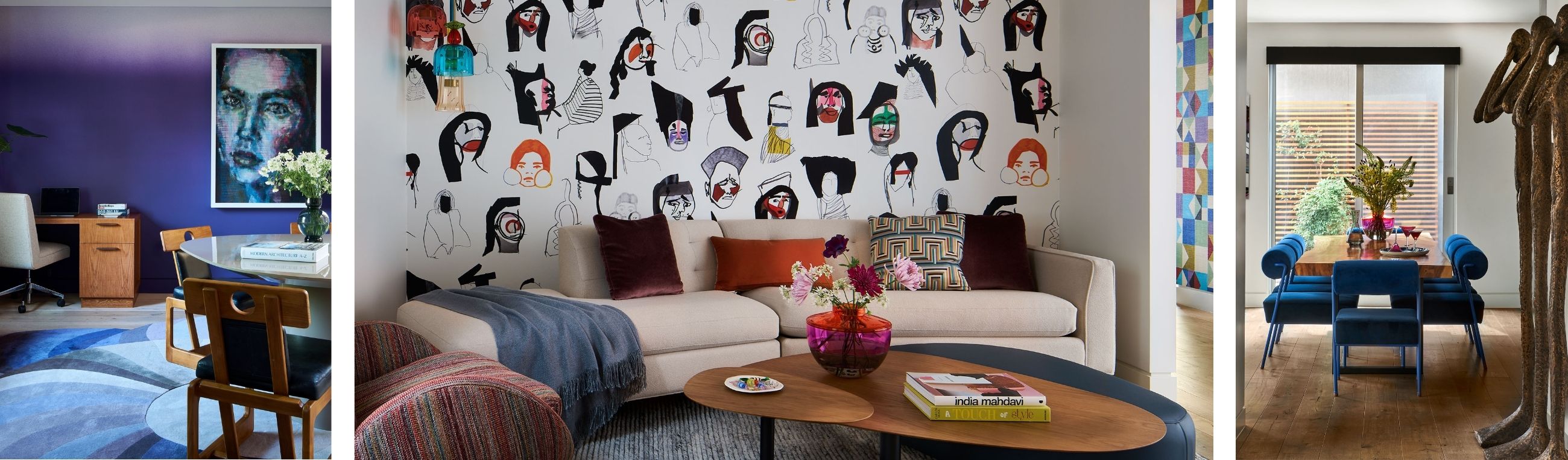
What Cohesive Interior Design Really Means
Cohesive interior design does not mean every room should look the same. It does not mean using one color everywhere or buying matching furniture sets. Instead, it means designing a home so that every space feels connected, intentional, and easy to move through. Each room can still have its own purpose and personality, but the home as a whole should feel like one complete story.
That distinction matters, especially when someone is downsizing. In a larger home, rooms can be more separate. A formal dining room may feel disconnected from a casual family room. A guest suite may sit far enough away that it can take on a different style without affecting the rest of the house. In a smaller home, that is rarely the case. Rooms are more visible to one another. Transitions happen faster. Design choices stand closer together. Because of that, anything that feels random or unrelated becomes more noticeable.
This is why cohesive interior design matters so much in a downsized home. It helps the home feel calm instead of crowded, thoughtful instead of pieced together, and refined instead of reduced.
Cohesive Interior Design Creates Connection, Not Sameness
One of the biggest misunderstandings about cohesive interior design is the idea that it requires uniformity. Many homeowners worry that if a home feels cohesive, it will also feel boring. In reality, the opposite is often true.
A cohesive home has variety, but that variety is controlled. There is enough contrast to keep the space interesting, but not so much that it feels disconnected. You might use different fabrics in different rooms, but they still share a similar tone or texture. You might mix wood finishes, but they relate to one another in warmth or depth. You might bring in old pieces and new ones, but they still feel like they belong in the same environment.
That is the real goal. Every choice should feel like it belongs.
When a home is cohesive, you do not always notice one specific design trick. Instead, you notice the feeling the home creates. It feels settled. It feels clear. It feels intentional.
How Cohesive Interior Design Is Built
Cohesive interior design is created through relationships. It comes from how one element connects to the next. That connection can show up in several ways.
A consistent color palette is one of the most important tools. This does not mean every wall needs to be painted the same shade. It means the colors throughout the home should relate to one another. Neutrals, accent tones, woods, metals, and textiles should feel considered as a group. When the palette is consistent, the home feels easier on the eye. It also feels more spacious, which is especially important in a smaller footprint.
Repeating materials or finishes is another way to create cohesion. This might mean using the same flooring throughout the main living spaces, carrying a stone from the kitchen into a bathroom, or repeating the same metal finish in lighting, plumbing, and hardware. These repeated elements create rhythm. They allow the eye to move naturally through the home without feeling interrupted.
Balanced proportions also matter. In a downsized home, furniture that is too large can make the entire space feel tight and heavy. Furniture that is too small can make the home feel scattered and unfinished. Cohesive interior design depends on choosing pieces that fit the scale of the home and work well together. A thoughtful mix of sizes, heights, and shapes helps the rooms feel stable and visually balanced.
A clear design direction ties it all together. Before making purchases or selecting finishes, there should be a guiding idea behind the home. That idea does not need to be trendy or complicated. It might be warm and tailored. It might be quiet and architectural. It might be classic with a modern edge. What matters is that the direction is clear enough to guide decisions. Without that clarity, the home can start to feel random.
Why Cohesion Matters More in a Downsized Home
When you move from a larger home to a smaller one, you lose some of the separation that once helped hide inconsistencies. In a smaller home, the entry may open directly into the main living area. The kitchen may be visible from nearly every common space. A hallway may connect several rooms within a short distance. Because of this, the design needs to work together more carefully.
Cohesive interior design helps a smaller home feel open and connected rather than limited. It reduces visual noise. It creates a sense of order. It allows each area to serve its purpose without making the home feel broken into unrelated sections.
This is important on both a visual and emotional level.
Visually, a cohesive home often feels larger because the eye can move from room to room without being stopped by abrupt changes. Emotionally, it feels calmer because there is less tension between competing elements. That calm is valuable when downsizing, because the transition itself can already feel emotional and complex.
What a Cohesive Home Often Includes
In a downsized home, cohesive interior design often includes a consistent color palette throughout the home, repeating materials or finishes, balanced proportions in furniture and layout, and a clear design direction that guides every choice. These principles are simple, but they have a major impact on how the home feels.
A consistent color palette creates flow. It gives the home a shared visual language. This can be especially helpful when rooms sit close together or when the home has an open layout.
Repeating materials or finishes creates familiarity. When the same wood tone, metal finish, or stone appears in more than one area, the home begins to feel connected on a deeper level.
Balanced proportions help every room function better. In a downsized home, scale is not just a design preference. It affects comfort, movement, storage, and everyday use.
A clear design direction protects the home from impulse decisions. It keeps the space aligned as selections are made. It also helps homeowners decide what belongs and what does not.
These elements help the home feel unified. Even if each room serves a different purpose, there is still a sense of continuity. That continuity is what allows a smaller home to feel thoughtful and complete rather than restricted.
Common Questions About Cohesive Interior Design
Does cohesive interior design mean I have to get rid of my personality?
No. A cohesive home should still feel personal. In fact, when the overall design is more connected, the pieces that matter most often stand out more clearly. Artwork, heirlooms, collected objects, and meaningful furniture can all have a place. The goal is not to remove personality. The goal is to present it with more intention.
Can different rooms still have different moods?
Yes. A bedroom should not feel exactly like a kitchen, and a library should not feel exactly like a mudroom. Each room can have its own mood, but the home should still feel related from one space to the next. That connection might come through color, material, lighting, scale, or architectural detail.
What happens if I already own furniture in different styles?
That is very common, especially when downsizing from a long-held home. Not everything has to match for the home to feel cohesive. The key is editing carefully and finding the common thread. Sometimes reupholstering, refinishing, or relocating a piece is enough to help it work better within the new design.
Is cohesive interior design only about appearance?
No. It also affects function. A cohesive home is often easier to live in because it has a stronger sense of order. Furniture fits where it should. Storage is integrated more thoughtfully. Movement through the home feels more natural. The design supports daily life, not just visual appeal.
Why does my smaller home feel more cluttered even though I brought less?
Often, the issue is not just quantity. It is a lack of connection. When furniture, colors, finishes, or layouts feel unrelated, the eye has to work harder. That creates a sense of clutter even if the room is not physically full. Cohesive interior design reduces that tension by helping everything work together.
The Difference Between Decoration and Design
It is also helpful to understand that cohesive interior design goes deeper than surface styling. It is not just about choosing attractive furniture or adding accessories that look polished in a photo. It involves the full experience of the home.
That includes:
- how the home is laid out
- how one room leads into the next
- how light moves through the space
- how materials are repeated and balanced
- how furniture supports the way the homeowner lives
- how storage is built into the overall plan
This is why a cohesive home often feels better even when you cannot immediately explain why. The comfort comes from more than decoration. It comes from alignment.
The Emotional Side of Downsizing
Downsizing is not just about space. It is also about change.
For many homeowners, a home holds years of memories. It reflects life stages, family moments, and personal growth. Letting go of space can feel difficult.
Cohesive design helps manage this transition.
Instead of trying to recreate your previous home, it allows you to reinterpret it. It helps you focus on what matters most and bring those elements into your new space in a more refined way.
This might include:
- Keeping meaningful furniture or artwork
- Using materials that feel familiar
- Designing spaces around your current lifestyle
- Letting go of items that no longer serve a purpose
The result is a home that feels connected to your past but designed for your present.
Editing Your Space with Intention
One of the most important steps in downsizing is editing.
This means deciding what to keep, what to let go of, and what to replace.
Many people struggle with this step because they try to keep too much. In a smaller home, this can lead to clutter and a lack of clarity.
Cohesive design depends on thoughtful editing.
Ask yourself:
- Does this item still fit my lifestyle
- Does it add value to the space
- Does it work with the overall design
When you remove what is unnecessary, what remains becomes more meaningful. Each piece has space to stand out.
This is where a smaller home can actually feel more elevated than a larger one.
Creating Flow in a Smaller Home
Flow refers to how you move through a space.
In a well-designed home, movement feels easy and natural. You are not blocked by furniture or distracted by abrupt changes in design.
Cohesive design supports flow by creating smooth transitions between spaces.
This can be done through:
- Using similar flooring throughout the home
- Keeping sightlines open
- Repeating design elements across rooms
- Choosing furniture that fits the scale of the space
When flow is considered, the home feels larger than it is. It also feels easier to live in.
Using Zoning Without Breaking Cohesion
Even in a smaller home, you still need different areas for different activities.
Zoning helps define these areas while keeping the overall design connected.
For example, you may have:
- A quiet bedroom space
- A shared living and dining area
- A workspace
- Transitional spaces between rooms
Cohesive design ensures that these areas feel connected rather than separate.
This can be achieved by:
- Using the same materials in different ways
- Keeping colors consistent across spaces
- Using lighting to define areas instead of walls
- Arranging furniture to guide movement
This creates structure without making the home feel divided.
Choosing Materials for Cohesive Interior Design
Materials play a major role in cohesive interior design.
In a smaller home, materials are more noticeable because you are closer to them. This makes consistency even more important.
A strong material palette should:
- Be limited to a few key materials
- Work well together in color and texture
- Support both function and appearance
- Reflect your personal style
For example, repeating the same wood tone in flooring and furniture can create warmth. Using the same stone in multiple areas can create connection.
The goal is not to match everything exactly. It is to create a relationship between elements.
Lighting as Part of Cohesive Design
Lighting shapes how a home feels.
In a downsized space, it should be layered and consistent.
This includes:
- Ambient lighting for general use
- Task lighting for specific activities
- Accent lighting for highlighting features
When lighting is cohesive, it creates a balanced environment. It also allows the home to adjust throughout the day.
Keeping fixture styles and finishes consistent helps tie the home together.
Integrating Storage into the Design
Storage is often a top concern when downsizing.
The goal is not just to add more storage. It is to design it in a way that feels natural within the home.
Cohesive design treats storage as part of the overall design.
This means:
- Built-in storage that blends with the architecture
- Materials that match the rest of the home
- Solutions that reduce visual clutter
When storage is integrated well, it supports the design instead of competing with it.
Selecting Furniture with Purpose
Furniture must be chosen carefully in a smaller home.
Large pieces can overwhelm a space. Too many items can create clutter.
Cohesive design focuses on:
- Proper scale
- Multi-functional pieces
- A consistent style across all furniture
Often, fewer pieces create a stronger design.
Each item should serve a purpose and contribute to the overall composition.
Keeping Your Identity in the Design
Some homeowners worry that cohesive design will make their home feel less personal.
In reality, it does the opposite.
When the design is clear and uncluttered, personal elements stand out more.
This might include:
- Artwork that reflects your taste
- Objects with personal meaning
- Materials that feel true to you
- Spaces designed around your routines
The goal is not to follow a specific style. It is to create a home that reflects you.
At its core, this approach aligns with the philosophy of The Duet Group. Each home is tailored to the individual, with a focus on purpose, precision, and long-term value .
Common Mistakes to Avoid
When downsizing, certain mistakes can make it harder to achieve cohesive design.
These include:
- Trying to fit everything from a larger home into a smaller one
- Holding onto items without a clear purpose
- Mixing too many styles without a unifying element
- Overloading the space with storage
- Ignoring how spaces connect
Avoiding these mistakes helps create a more refined and intentional home.
The Long-Term Benefits of Cohesive Design
Cohesive design is not just about how a home looks. It also affects how it performs over time.
Homes designed with cohesion tend to:
- Feel more comfortable and easier to maintain
- Adapt better to changing needs
- Hold their value more effectively
- Provide a stronger sense of satisfaction
For homeowners focused on long-term living, these benefits matter.
A Thoughtful Process Leads to Better Results
Cohesive design does not happen by chance. It requires a clear and structured process.
This includes:
- Understanding how you live
- Setting clear priorities
- Creating a design plan before making decisions
- Working through each step in order
- Collaborating with the right team
A process-driven approach helps ensure that every decision supports the overall design.
Frequent Questions About Downsizing and Cohesive Design
How do I know what to keep when downsizing?
Focus on what supports your current lifestyle. Keep items that have meaning or function. Let go of anything that no longer fits your space or needs.
Will a smaller home feel less luxurious?
Not if it is designed well. Cohesive design often makes a home feel more refined by focusing on quality instead of quantity.
Can I still mix styles?
Yes, but there should be a clear connection between them. This could be a shared color palette or similar materials.
When should I start thinking about cohesive design?
At the very beginning. It should guide every decision from layout to finishes.
Is cohesive interior design only about appearance?
No. It also includes how the home functions and how spaces connect.
Designing a Home That Reflects You
Downsizing is not about having less. It is about choosing better.
With cohesive design, a smaller home can feel more aligned, more intentional, and more personal. Every detail has a purpose. Every space supports how you live.
If you are considering downsizing and want your home to still feel like you, the process matters.
A thoughtful, cohesive interior design approach ensures that your new home is not just smaller, but better suited to your life.
To learn more about how we approach cohesive design and full-service interior design, explore our services or contact us to start a conversation.