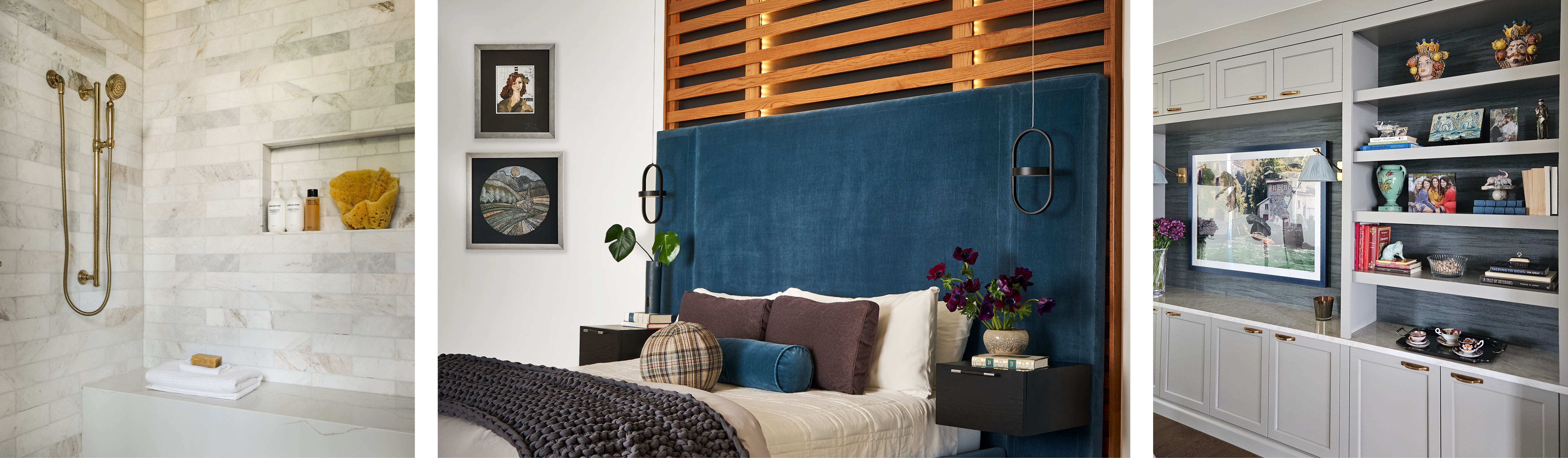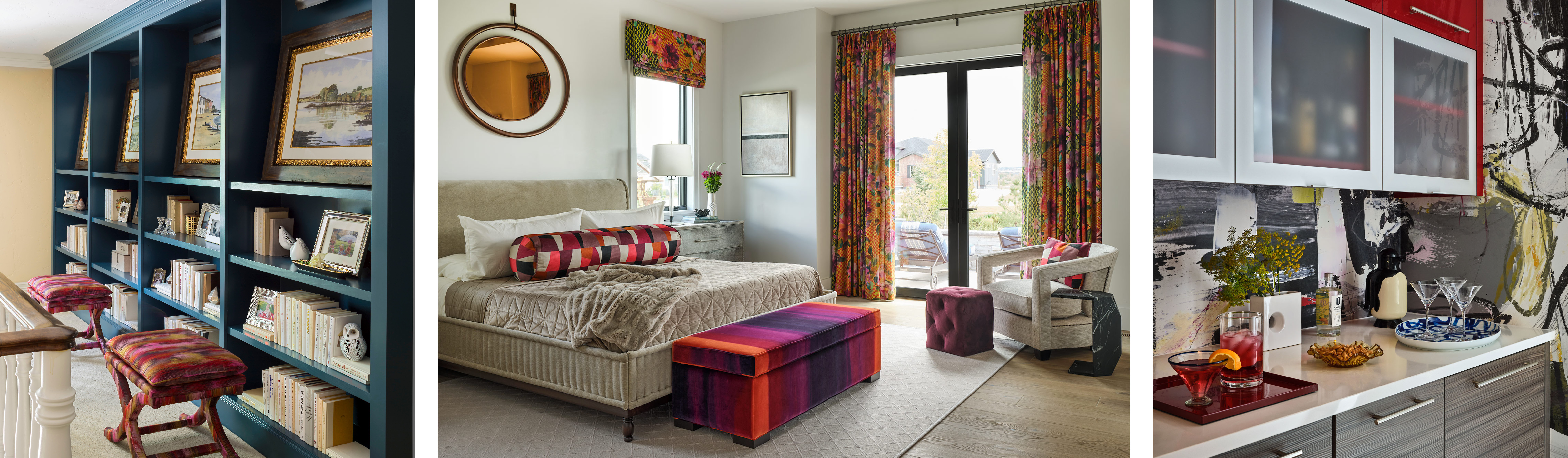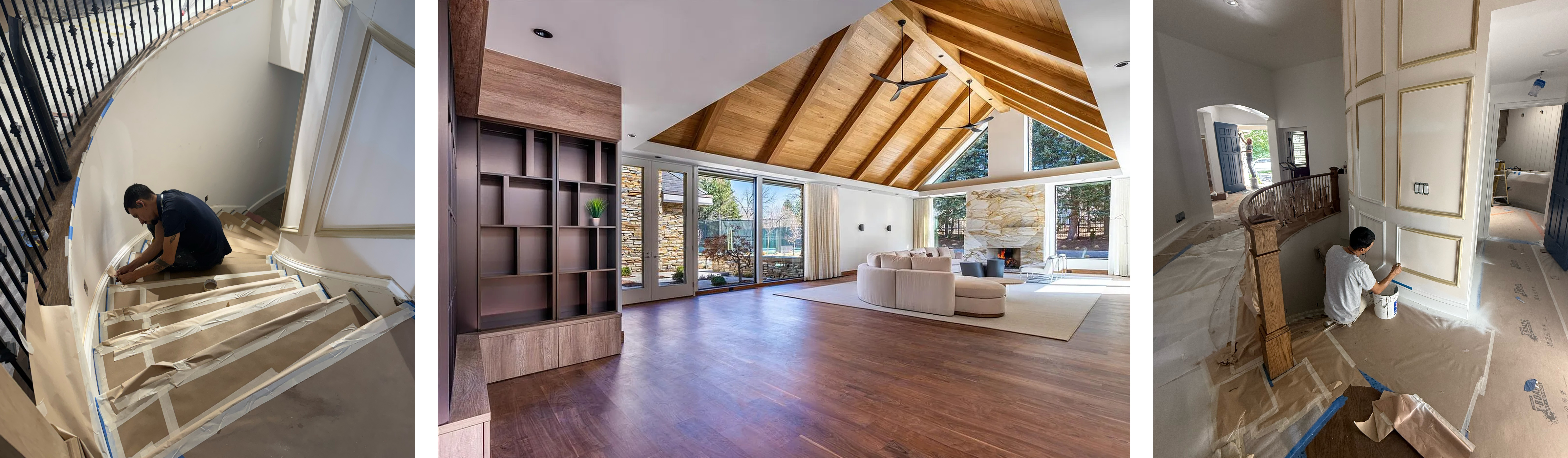
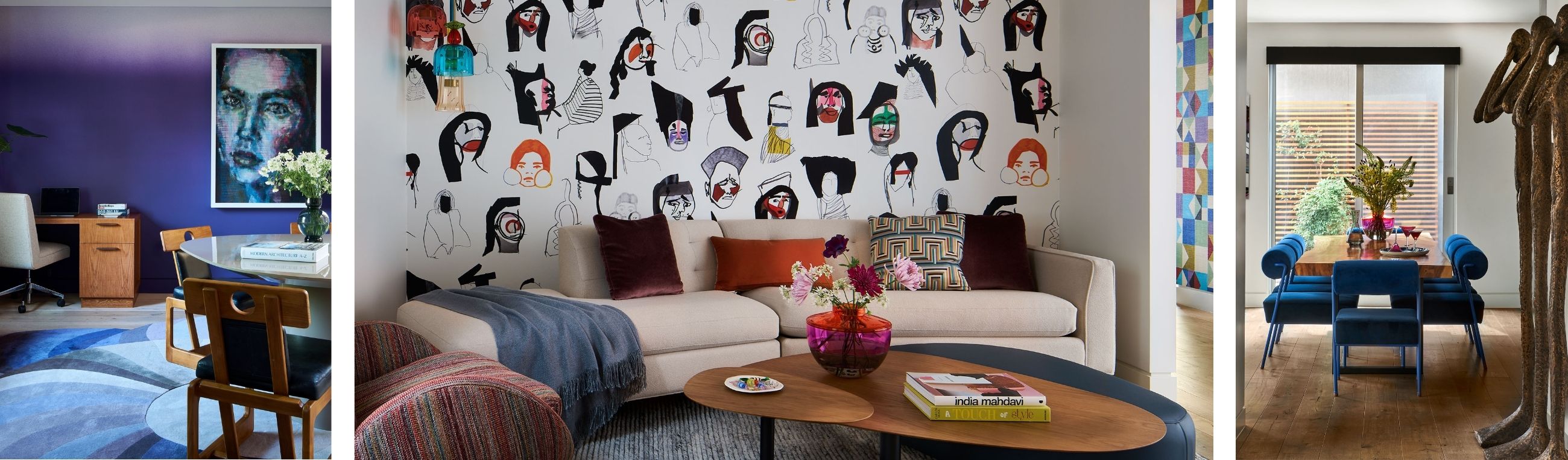
Art plays a quiet but powerful role in the home. It does more than fill a wall. It shapes how a space feels, how it connects, and how it reflects the people who live there. When approached with care, art selection becomes a key part of the design process, not something added at the end.
For many homeowners, the challenge is not starting from scratch. It is figuring out how to blend what they already own with new design decisions. This is where thoughtful art selection becomes essential. It helps create balance, adds depth, and allows a home to evolve without losing its identity.
In this guide, we will walk through how to approach art selection with clarity, how to choose art for your home in a way that feels natural and lasting, and how to make decisions that support both function and meaning.
Why Art Selection Matters in a Well-Designed Home
Art is often the element that brings a room together. Furniture creates structure, and materials add texture, but art gives a space its voice.
Studies have shown that the environments we live in affect how we feel and function. Thoughtfully designed spaces can improve focus, reduce stress, and create a sense of comfort. Art plays a major role in that experience.
In design, art selection helps to:
- Create a clear focal point
- Add scale and proportion to a room
- Connect different design elements
- Highlight architecture or soften it
- Reflect personal experiences and values
Without careful art selection, even a well-designed room can feel unfinished. With it, the space feels complete and intentional.
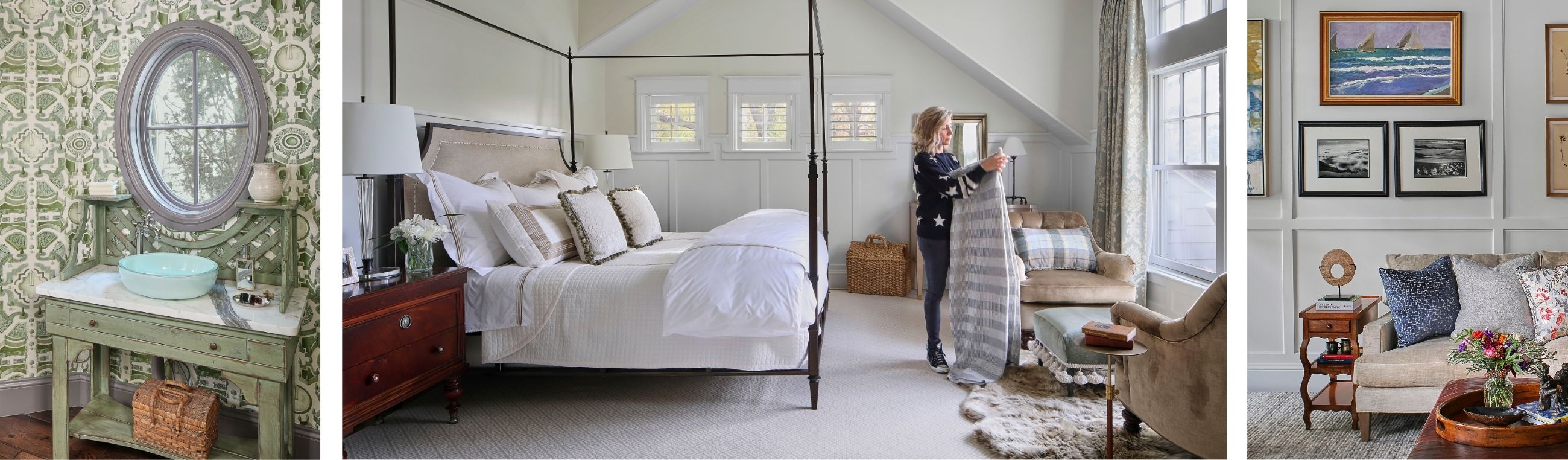
Using Art Selection to Blend Old and New
Many homeowners assume they need to replace everything to achieve a cohesive design. In reality, the most thoughtful spaces often combine existing pieces with new ones.
Art selection makes this possible. It acts as a bridge between what you already have and what you are adding.
For example, if you have traditional furniture, introducing modern artwork can create contrast and bring the space forward. If your home already leans contemporary, adding layered or textured art can add warmth and depth.
This approach respects what matters to you while guiding the space in a new direction. It is especially valuable for homeowners who see their home as part of a larger legacy, where each piece carries meaning.
How to Choose Art for Your Home With Clarity
Learning how to choose art for your home can feel harder than expected. Many people know when they like a piece of art, but they are not always sure whether it will actually work in their space. That is where a more thoughtful process helps. Instead of buying art first and hoping it fits, it is better to step back and study the room, your existing furnishings, and the overall feeling you want the space to have.
Good art selection is not about filling empty walls. It is about making sure each piece supports the room around it. The right art can make a home feel more personal, more finished, and more connected. It can also help older furnishings feel fresh when paired with new design choices. When art selection is done with clarity, the result feels intentional instead of random.
Start With the Space Itself
Before choosing any art, take time to understand the room. This is one of the most important steps, and it is often skipped. People frequently fall in love with a piece in a gallery, online, or while traveling, then bring it home and realize it does not feel right. Usually, the problem is not the art itself. The problem is that the piece was never selected in relation to the space.
Begin by looking closely at the wall size. A large wall with high ceilings will usually need larger art or a grouping of pieces to feel balanced. A single small frame on a large wall often looks lost. On the other hand, a narrow hallway, reading corner, or smaller bedroom wall may benefit from more intimate art that feels scaled to the room.
Ceiling height matters too. Taller ceilings can handle larger vertical pieces or stacked compositions. Lower ceilings may feel better with more horizontal pieces or art that does not visually crowd the room.
Natural light is another major factor. Look at the room in the morning, afternoon, and evening. Ask yourself how much light comes in and where it falls. Bright rooms can often support stronger contrast, bolder colors, and larger gestures. Softer rooms may work better with quieter palettes, layered texture, or more subtle compositions. Light changes how art looks, so a piece that seems perfect in one room may feel very different in another.
You should also notice where your eye naturally goes when you enter. Every room has a visual center, even if it is not obvious at first. Sometimes it is the wall above a fireplace. Sometimes it is the wall behind a sofa, bed, or dining table. Other times, it may be the first wall you see when you walk in. This is where art often has the strongest impact.
Common questions
How do I know if my wall needs one large piece or several smaller ones?
Usually, it depends on the scale of the wall and the furniture below it. If the wall is large and open, one strong piece may create calm and clarity. If the room needs more movement or a collected feel, a grouping may work better.
Should I buy art before the room is fully furnished?
Sometimes, but it helps to at least know the main furniture layout and the overall tone of the room first.
What if the wall has windows, molding, or built-ins?
In that case, art needs to work with those features, not fight them. The architecture should help guide the placement.
When you start with the space itself, art selection becomes more strategic. You stop guessing and begin making decisions that are based on proportion, light, and flow.
Decide What Role the Art Will Play
Not every piece of art in a home should do the same job. One of the most useful ways to approach art selection is to decide the role each piece will play in the room. This makes the entire process more focused and prevents the space from feeling either empty or overly busy.
Start by asking whether the art is meant to anchor the room. A large piece above a sofa, bed, or dining sideboard often serves as the main visual statement. This is the piece that catches attention first and helps define the tone of the space. In many rooms, this anchor piece creates order.
Next, think about supporting pieces. These may not be the first thing someone notices, but they matter just as much. Supporting pieces help repeat color, shape, or mood throughout the home. They create rhythm. They connect one area to another. A home feels more complete when art is layered in this way.
Then there are smaller works that guide movement through the space. These pieces often appear in hallways, staircases, entryways, or in quiet corners. Their job is not necessarily to dominate. Their job is to keep the eye moving and help the home feel thoughtful from room to room.
A room with only one bold piece and nothing else can feel unfinished. A room with too many equally loud pieces can feel chaotic. Good art selection creates hierarchy. It allows some pieces to speak first and others to support the conversation.
Common questions
Does every room need a statement piece?
No. Some rooms benefit from one strong focal point, while others feel better with a softer, layered approach.
Can art be subtle?
Absolutely. Art does not need to be dramatic to be important. Quiet pieces often add depth and sophistication.
Should art always be the focal point?
Not always. In some rooms, architecture, a fireplace, or a view may already be the focus. In that case, art can support the room rather than lead it.
When you understand the role the art will play, your choices become more intentional. You are no longer just choosing what you like. You are choosing what the room needs.
Take Inventory of What You Own
Before buying anything new, pause and look at the art you already have. This step is often overlooked, but it can shape the entire direction of your home. Many people already own pieces with real potential. They may simply be in the wrong room, framed in a way that feels dated, or competing with other elements nearby.
Start by gathering a visual inventory. Walk through your home and note the pieces you own. If it helps, place them all in one area or photograph them. Then ask a few simple but important questions.
Does this piece still feel relevant to the space? A piece that once worked in a previous home may not feel right in your current one. That does not mean it has no value. It may simply need a new context.
Does it need a new frame? Framing can completely change how art reads in a room. A frame that feels heavy, ornate, or outdated may be the reason a piece no longer feels right. Reframing can make an older piece feel cleaner, more current, and more aligned with your furnishings.
Would it work better in another room? Art does not always need to be replaced. Sometimes it only needs to be moved. A piece that feels too small in a living room may feel perfect in a guest room or hallway. A painting that feels too bold in a bedroom may come alive in a dining room or office.
This stage of art selection also helps you notice patterns in your taste. You may find that you are naturally drawn to certain colors, subjects, or materials. That can guide future choices and keep the home feeling personal.
Common questions
What if I have sentimental art that does not match the room?
Sentimental pieces can still have a place. The key is finding the right location, scale, or framing so the piece feels intentional.
Do all my existing art pieces need to work together?
No. They do not need to match exactly, but they should still feel like part of the same home.
Is it okay to keep art I love even if it is not trendy?
Yes. In fact, the most meaningful homes are rarely built around trends. They are built around thoughtful choices.
Taking inventory also helps you avoid unnecessary spending. Instead of replacing everything, you can make smarter decisions about what to keep, what to move, what to reframe, and what to add.
Set a Direction, Not Strict Rules
One of the biggest mistakes people make when learning how to choose art for your home is thinking every piece needs to follow one exact style. In reality, homes feel more layered and more personal when they have direction without becoming rigid.
A clear direction helps guide your choices, but it should not feel limiting. Think of it as a framework rather than a formula. The goal is not to make every room look the same. The goal is to help the home feel connected.
You might begin by asking what kind of art you are naturally drawn to. Do you prefer abstract work or more representational pieces like landscapes, portraits, or still life? Are you drawn to strong contrast and bold color, or quieter palettes with subtle texture? Do you enjoy a collected mix of old and new, or do you want more consistency throughout the house?
These choices do not need to be permanent rules. They simply help you build a clearer visual language for the home.
For example, if your furnishings are rich in texture and detail, you may want art that brings balance through simplicity. If your space is more minimal, you may want art that introduces complexity, warmth, or movement. If you are blending older furnishings with new design, art selection can help bridge those different layers.
This is also where personal taste and architecture should meet. A mountain home may support art with earthy depth, texture, and scale. A city residence may call for sharper contrast, cleaner lines, or more graphic work. That does not mean each home must follow a rulebook. It means the art should feel rooted in place and in the lives of the people who live there.
Common questions
Do all the art pieces in my home need to coordinate?
They should relate, but they do not need to be identical. A home should feel cohesive, not overly controlled.
Is it okay to mix styles?
Yes. Mixing styles often creates a richer and more collected result, as long as there is some thread connecting the pieces.
What if my taste changes over time?
That is normal. A good direction allows for growth. It gives you room to evolve without starting over.
When you set a direction instead of strict rules, art selection becomes much easier. You gain structure, but you still leave room for instinct, surprise, and personality.
How These Steps Work Together
Each of these parts matters on its own, but they are most useful when they work together.
You begin by studying the space so you understand what the room can support. Then you decide what role the art should play so each piece has a purpose. After that, you take inventory of what you already own so you can build from what is already meaningful. Finally, you set a direction so new choices feel connected rather than random.
This is what makes art selection feel clear instead of overwhelming. You are not reacting to every piece you see. You are making decisions through a lens of proportion, light, function, and personal style.
That is also the real answer to how to choose art for your home. It is not about following one trend, copying one look, or buying what everyone else is buying. It is about creating a home where the art supports the architecture, respects what you already own, and reflects the life you want the space to hold.
How Art Works With Furniture and Materials
Scale and Placement
Art should feel connected to the furniture around it.
A simple guideline:
- Artwork above a sofa should cover about two-thirds of its width
- Art above a bed or console should feel centered and grounded
If the art is too small, it can feel disconnected. If it is too large, it can overwhelm the space.
Color Relationships
Art does not need to match the room, but it should relate to it.
Look for connections such as:
- Similar undertones
- Repeated shapes or patterns
- Materials that echo finishes in the room
These subtle links help the space feel cohesive without being repetitive.
Using Contrast Thoughtfully
Contrast adds interest when used with intention.
This could mean:
- Modern art in a traditional room
- Black and white photography in a warm space
- Minimal pieces in a more layered setting
Contrast keeps a room from feeling predictable and adds depth.
Art Selection by Room
Living Room
The living room is often where art has the most impact.
Here, you can:
- Use a large piece as a focal point
- Create balance around seating areas
- Mix framed art with sculptural elements
This space allows for more presence and scale.
Bedroom
Art in the bedroom should feel calm and personal.
Consider:
- Softer colors and compositions
- Symmetry above the bed
- Pieces that hold personal meaning
The goal is to support rest and comfort.
Dining Room
Dining rooms can handle more expressive art.
This is a good place for:
- Bold or dramatic pieces
- Larger scale works
- Art that feels conversational
Since this space is often used for gatherings, it can hold more visual energy.
Hallways and Transitional Spaces
These areas are ideal for storytelling.
You can:
- Create a gallery wall
- Use a series of related pieces
- Guide movement through repetition
This makes the home feel connected from one space to another.
Common Mistakes in Art Selection
Even thoughtful homeowners can run into challenges.
Some of the most common mistakes include:
- Choosing art that is too small
- Matching art too closely to furniture
- Ignoring the importance of framing
- Treating art as an afterthought
- Overfilling walls without a clear plan
Avoiding these mistakes comes down to planning and perspective. Art should be part of the overall design, not separate from it.
The Emotional Side of Art Selection
Art is not just visual. It is personal.
Many pieces reflect:
- Important life moments
- Travel and experiences
- Cultural background
- Personal values
This emotional layer is what makes a home feel authentic. It aligns with the idea that design should reflect the person, not a fixed style. Each space should feel tailored and meaningful.
How to Choose Art for Your Home Without Feeling Overwhelmed
Take Your Time
Art selection does not need to happen all at once.
A slower approach allows you to:
- Make better decisions
- Find pieces that truly fit
- Build a collection over time
This often leads to a more thoughtful and lasting result.
Set a Budget
Art can vary widely in cost. Having a budget helps you stay focused.
You might choose to:
- Invest more in key pieces
- Mix original works with prints
- Spend on quality framing
This creates balance between value and impact.
Work With a Professional
For larger projects, a designer can help guide the process.
They can:
- Recommend pieces that fit the space
- Ensure proper scale and placement
- Integrate art into the full design plan
This saves time and helps avoid costly mistakes.
Making Art Selection Part of the Bigger Design Plan
In a well-designed home, art selection is not separate from the rest of the process.
It works alongside:
- Layout and space planning
- Lighting design
- Material choices
- Furniture placement
When art is considered early, it feels more natural in the space. Walls are planned with intention, and lighting is designed to support each piece.
This approach creates a home that feels complete from the start.
The Long-Term Value of Thoughtful Art Selection
Art selection is not just about how a space looks today. It also shapes how it feels over time.
Thoughtful choices can lead to:
- A home that remains cohesive as it evolves
- Pieces that hold or increase their value
- A deeper emotional connection to the space
For homeowners who care about legacy, this matters. The goal is to create something lasting, not temporary.
A More Intentional Approach to Art Selection
Art selection is one of the most effective ways to shape a home that feels personal, balanced, and complete. It allows you to blend existing furnishings with new design choices while maintaining a clear sense of identity.
Understanding how to choose art for your home is not about following trends. It is about making decisions that reflect your life, your values, and how you want to experience your space every day.
When approached with care, art selection becomes a foundation for the entire home. It brings together structure, creativity, and meaning in a way that feels both refined and lived in.
If you are looking to bring this level of clarity into your home, whether you are updating a single room or planning a full redesign, we invite you to connect with our team. We can help guide your art selection and integrate it into a design process that is thoughtful, structured, and built to last.