Aging in place is often talked about in simple terms. People think about grab bars, wider doorways, or non-slip floors. These features matter, but they are only part of the story. The deeper conversation is about how to design a home that supports comfort, movement, and ease over time without looking clinical or obvious.
This is where interior design fundamentals become essential.
When these fundamentals are applied with care, a home can support changing needs in a quiet and natural way. It does not feel modified or adjusted. It feels complete. The goal is not to prepare for a specific moment in the future. The goal is to create a home that works well at every stage of life.
For homeowners who value long-term quality and thoughtful design, this approach feels aligned. It supports both lifestyle and legacy without compromise.
Why Interior Design Fundamentals Matter Over Time
At the start of a home project, most people naturally focus on what they can see right away. They think about the stone on the island, the paint color in the living room, the cabinet finish, or the hardware on the doors. These choices are important because they shape the look and feel of the home. They help create mood, style, and personality. But they do not fully determine whether the home will continue to work well ten, fifteen, or twenty years from now.
That deeper level of performance comes from interior design fundamentals.
Interior design fundamentals are the core decisions that shape how a home functions every day. They are the design choices that affect movement, comfort, visibility, ease of use, and long-term livability. These are not the most obvious parts of a finished room, but they are often the reason a home feels effortless to live in. When these fundamentals are handled well, the home does not just look beautiful. It supports the people living in it in a quiet and lasting way.
This matters more over time because people do not stay exactly the same. Daily routines change. Families grow or shrink. Children move out. Work patterns shift. Health needs may become more important. People may begin to entertain differently, travel more, or want a home that demands less effort to maintain. A house that only looks good on day one may stop working well when life changes. A house built on strong interior design fundamentals is much better prepared to evolve along with its owners.
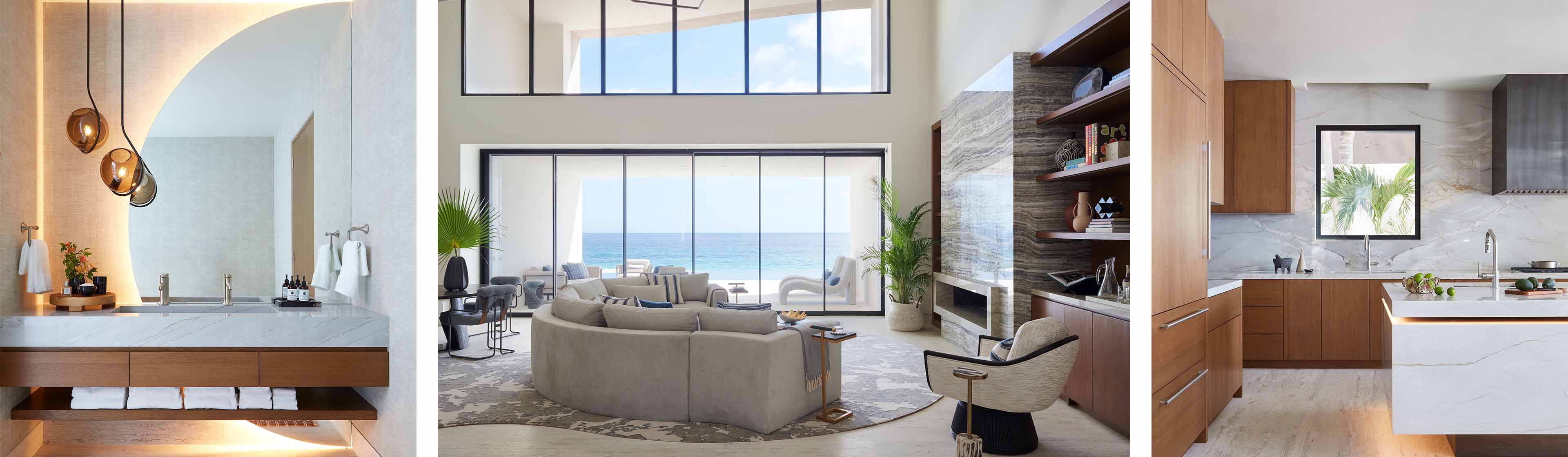
What Are Interior Design Fundamentals?
When we talk about interior design fundamentals, we are talking about the basic principles that guide how a space is organized and experienced. These include how space is planned, how people move through the home, how light is used, how materials perform, and how furniture supports daily life. These ideas may sound simple, but together they have a major impact on whether a home feels comfortable and functional over time.
For example, a room may be beautifully decorated, but if the layout makes it hard to move around furniture, the room will become frustrating to use. A kitchen may feature luxury finishes, but if the work areas are awkwardly arranged, everyday tasks will feel harder than they should. A bathroom may look elegant in photos, but if lighting is poor or surfaces are slippery, the room may become stressful instead of supportive. This is why the fundamentals matter so much. They shape the real experience of living in the home.
Why Looks Alone Are Not Enough
A well-designed home should absolutely be visually strong. Beauty matters. It creates emotional connection and makes a home feel personal and complete. But beauty on its own is not enough. A space that photographs well is not always a space that lives well.
This is one of the biggest misunderstandings homeowners can have at the start of a project. It is easy to assume that if the materials are high-end and the rooms are attractive, the home will naturally function well too. Sometimes that happens, but often it does not. Long-term comfort depends on decisions that may not stand out at first glance.
For example, the width of a hallway, the distance between furniture pieces, the height of storage, the amount of glare in a room, or the way a doorway opens can all affect how easy a home is to use. These choices are not usually what people post about or point out during a reveal, but they are exactly what shape the daily experience of living there.
Over time, these decisions become even more important. A home that requires extra reaching, bending, squeezing, stepping over obstacles, or dealing with poor lighting can slowly create strain. The problem is not always dramatic. It often shows up in small frustrations that build over time. A home designed around strong fundamentals of interior design reduces those problems before they start.
How Space Planning Supports Long-Term Comfort
One of the most important parts of interior design fundamentals is space planning. This means deciding how rooms are arranged, how large they should be, and how they relate to one another. Good space planning does more than make a floor plan look balanced. It helps the home support the rhythms of real life.
When space is planned well, daily tasks feel more natural. The kitchen connects logically to the pantry and dining area. The primary suite feels private but accessible. Laundry is placed where it makes sense. Storage is located near the activities it supports. The home feels intuitive.
This matters over time because convenience becomes more valuable as life gets busier or more physically demanding. A poorly planned layout may not seem like a major issue at first, but it can become exhausting when repeated every day. Long walks between key spaces, awkward room arrangements, or unnecessary stairs may eventually make a home feel less supportive than it should.
Good planning can also make the home more flexible. A room that serves one purpose today may need to serve another later. A guest room might eventually become a caregiver suite, a quiet office, or a wellness room. A formal dining room may need to support larger family gatherings or new routines. When the home is built on thoughtful planning, these transitions are easier.
Why Aging in Place Starts Earlier Than Most People Think
Many homeowners think aging-in-place design is something to address much later in life. In reality, the best time to consider it is much earlier. That is because the most effective solutions are often built quietly into the design from the start.
When interior design fundamentals are considered early, the home can support long-term comfort without obvious adjustments later. This may include better circulation, easier access to key spaces, smarter lighting, more usable storage, or finishes that are both elegant and practical.
This approach is far more seamless than waiting until a problem appears and then trying to solve it quickly. Retrofitting a home after needs change can be expensive, disruptive, and less cohesive. Planning ahead creates a better result.
That does not mean every home needs to be designed around worst-case scenarios. It means the home should be designed with enough intelligence and flexibility to serve its owners well over time.
Common Questions
Will focusing on interior design fundamentals make a home feel less beautiful or less luxurious?
No. In many cases, it does the opposite. Homes built on strong interior design fundamentals often feel more refined because everything works the way it should. The layout feels natural, the lighting supports the space, and the materials make sense for daily life. That kind of ease often feels more luxurious than a room that only looks impressive in photos.
Are interior design fundamentals only important for older homeowners?
No. These principles improve daily life for everyone. Better circulation, better lighting, smarter storage, and more supportive furniture make a home easier to live in at any age. Aging in place is just one reason these decisions matter. The bigger goal is to create a home that continues to work well over time.
How can someone tell whether a home is truly well designed or just visually appealing?
A good way to tell is to think about how the home works in everyday life. Is it easy to move through? Does the lighting support tasks like cooking, reading, or getting dressed? Are storage areas placed where they are actually needed? Does the furniture arrangement make the room feel open and usable? A home built on strong interior design fundamentals should not only look good, it should also make daily life feel easier.
Can a home still feel personal and elevated if it is designed with long-term function in mind?
Yes. In fact, that is often what gives a home lasting value. A well-designed home should reflect the people who live there while also supporting how they live now and how they may live in the future. Strong interior design fundamentals do not remove character. They give the home structure, clarity, and staying power.
How Circulation Shapes Everyday Comfort
Circulation refers to how people move through a home. It is one of the most important parts of interior design fundamentals, but it is often overlooked.
Good circulation should feel effortless. You should be able to move from one space to another without thinking about it.
This includes:
- Clear pathways between rooms
- Furniture that does not block movement
- Smooth transitions between flooring materials
Over time, these details become more important. A narrow walkway or awkward layout may not seem like a problem today, but it can create challenges later.
The goal is to remove obstacles before they become noticeable. When circulation is done well, it fades into the background.
Scale and Proportion That Support Daily Life
Scale is often thought of as a visual decision. Does the furniture fit the room? Does the space feel balanced? These are important questions, but scale also affects how a home functions.
Interior design fundamentals teach us that size and proportion influence comfort.
For example:
- A chair that is too low can be hard to get out of
- A countertop that is too high can be tiring to use
- Storage that is too high or too low can be difficult to reach
Small adjustments can make a big difference. These changes do not need to be obvious. They can be built into the design so the space still feels refined and cohesive.
Over time, these thoughtful details support independence and ease.
Lighting That Improves Visibility Without Harshness
Lighting plays a major role in how a home feels and functions. It is one of the most powerful tools in interior design fundamentals.
As people age, lighting becomes even more important. Poor lighting can create strain, while good lighting supports clarity and comfort.
A strong lighting plan includes:
- General lighting that fills the room evenly
- Task lighting for activities like reading or cooking
- Accent lighting that adds depth and helps define spaces
The quality of light also matters. Softer, warm light can feel more comfortable. Consistent lighting throughout the home helps avoid confusion or strain.
Natural light should also be managed carefully. Large windows are valuable, but they need proper shading to control glare.
When lighting is designed well, it supports the space without drawing attention to itself.
Materials That Balance Beauty and Performance
Materials are where design meets everyday use. The interior design fundamentals behind material selection go beyond how something looks. They also consider how it performs over time.
For aging in place, materials should:
- Provide stable footing
- Resist wear in busy areas
- Be easy to maintain
For example, a matte or honed floor finish may offer better traction than a glossy surface. Cabinet finishes that reduce glare can also make a space more comfortable to use.
Hardware is another important detail. Lever handles are easier to use than knobs and can still look refined when selected carefully.
These choices work quietly in the background. They support daily life without changing the look or feel of the home.
Storage That Works With You, Not Against You
Storage is often about how much space you have, but the fundamentals of interior design show that how storage is used matters more.
Good storage should be easy to access and simple to maintain.
This can include:
- Pull-out shelves that bring items forward
- Drawers instead of deep cabinets
- Storage zones that match daily routines
Over time, these features reduce effort and make it easier to stay organized. They also support independence by making everyday items easier to reach.
Well-designed storage does not stand out. It simply works.
Kitchens and Bathrooms That Feel Seamless
Kitchens and bathrooms are often the focus when planning for aging in place. The challenge is to include functional features without making the space feel clinical.
This is where interior design fundamentals guide the process.
In bathrooms:
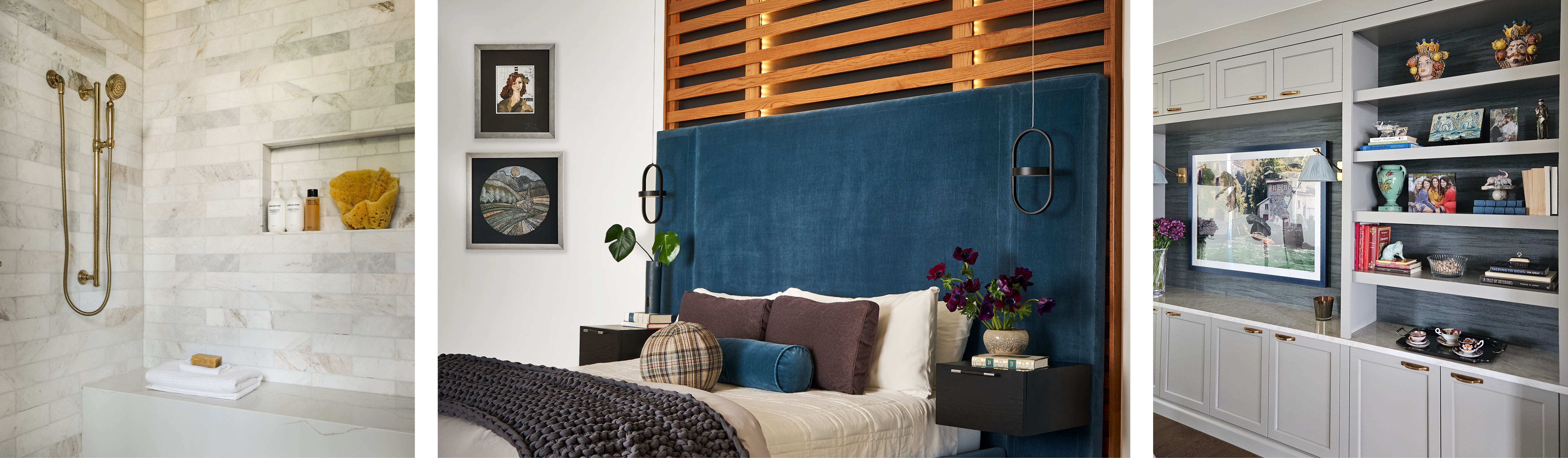
- Curbless showers create a smooth, continuous floor
- Built-in seating can blend into the design
- Walls can be reinforced for future support if needed
In kitchens:
- Work areas can be arranged to reduce unnecessary movement
- Appliances can be placed for easy access
- Counter heights can be adjusted in subtle ways
These solutions do not need to stand out. When done well, they feel like part of the overall design.
Designing With Emotional Awareness
Aging in place is not only about physical comfort. It is also about emotional well-being.
The best use of interior design fundamentals considers how a space feels, not just how it works.
This includes:
- Keeping meaningful elements in the home
- Creating spaces for both quiet time and gathering
- Allowing rooms to change purpose over time
For example, a guest room may later serve as a space for wellness or support. A formal living area may become more flexible for family use.
These changes should feel natural. A well-designed home can evolve without losing its identity.
The Importance of a Clear Design Process
Subtle design requires careful planning. It does not happen by accident.
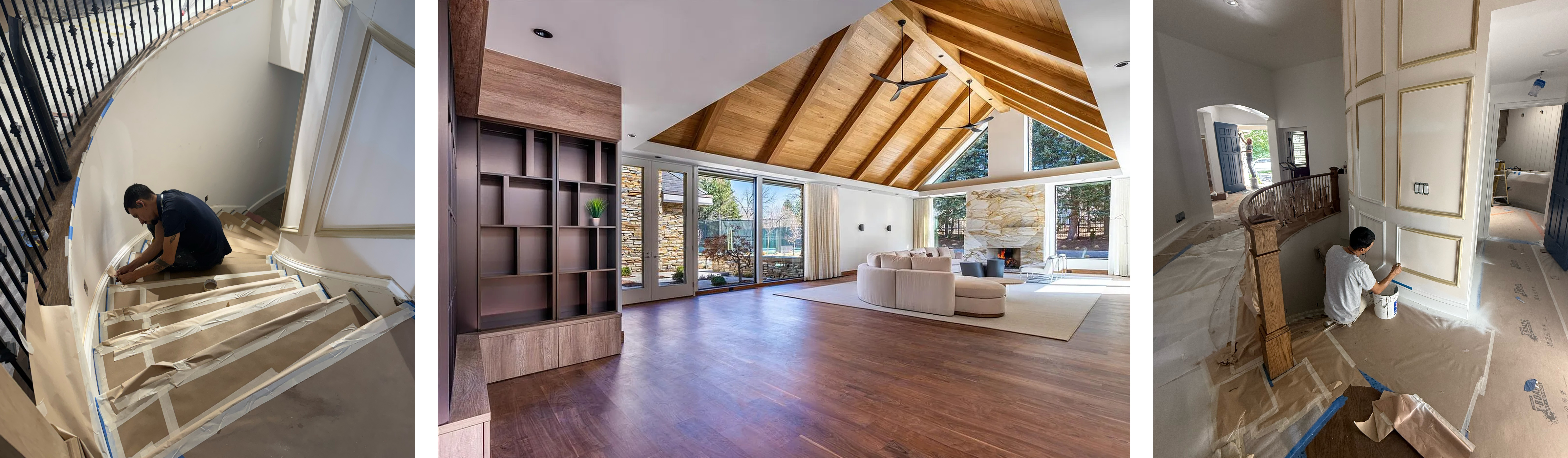
At The Duet Group, design and construction work together from the start. This allows interior design fundamentals to carry through every phase of the project.
This process includes:
- Aligning design ideas with construction early
- Planning details that support long-term use
- Maintaining clear communication between teams
This approach reduces the need for changes later and ensures the home performs as intended.
Designing for Long-Term Value and Legacy
There is a difference between designing a home that lasts and designing a home that matters.
When interior design fundamentals are applied with care, the home supports both.
For many homeowners, this means creating a space that:
- Reflects their values and lifestyle
- Supports family and guests over time
- Maintains its quality and relevance
This approach goes beyond trends. It focuses on lasting performance and meaning.
Common Questions About Aging in Place
Can these features be included in a new home without adding significant cost?
Yes. When planned early, these elements can be included efficiently. Adding them later is often more expensive and less cohesive.
Does aging in place design limit creativity?
No. It encourages better design. Working within these guidelines often leads to more thoughtful and refined solutions.
How do you keep the home from looking clinical?
By integrating features into the design from the beginning. When guided by the fundamentals of interior design, these elements feel natural.
Is this only for older homeowners?
No. Designing for long-term use benefits everyone. It creates a home that adapts over time.
The True Meaning of Comfort in Design
Comfort is not just about furniture or finishes. It is about how a home supports daily life.
A home that works quietly in the background offers a level of quality that is hard to define but easy to feel.
This is what interior design fundamentals make possible.
Fundamentals Of Interior Design Create Homes That Last
Aging in place does not need to feel like an adjustment. When built on strong interior design fundamentals, it becomes part of the design itself.
These decisions support comfort, movement, and ease without calling attention to them. They allow a home to evolve naturally while maintaining its integrity.
For homeowners who value thoughtful design and long-term quality, this approach offers clarity and confidence.
If you are considering how your home can better support your future while maintaining its design integrity, we invite you to connect with our team. Learn more about our full-service design and build approach or contact us for more information.