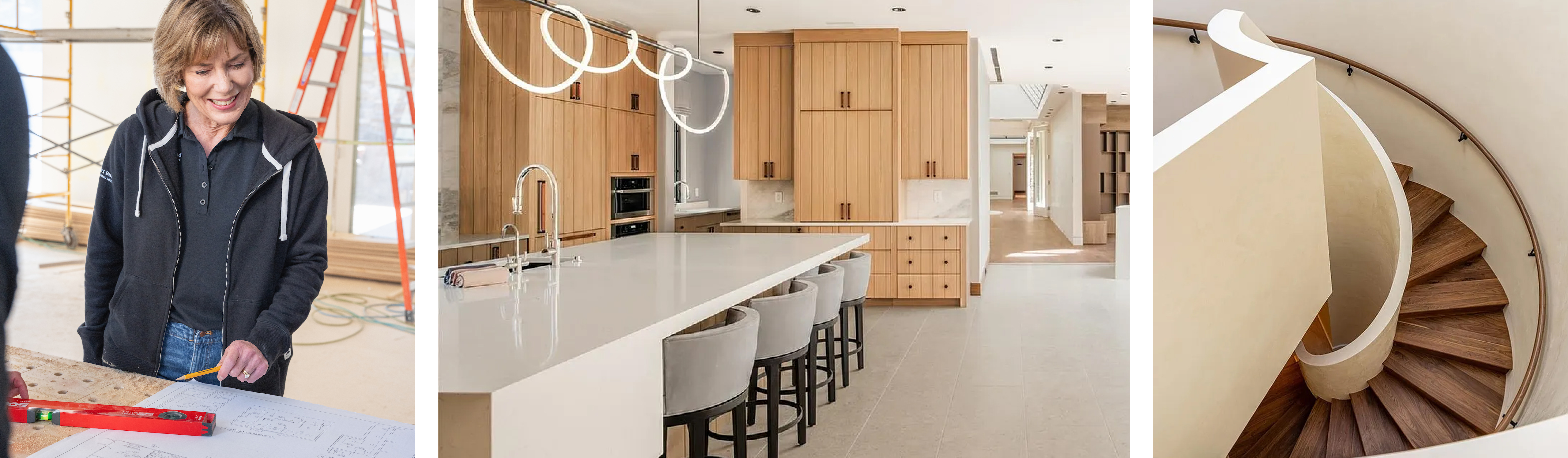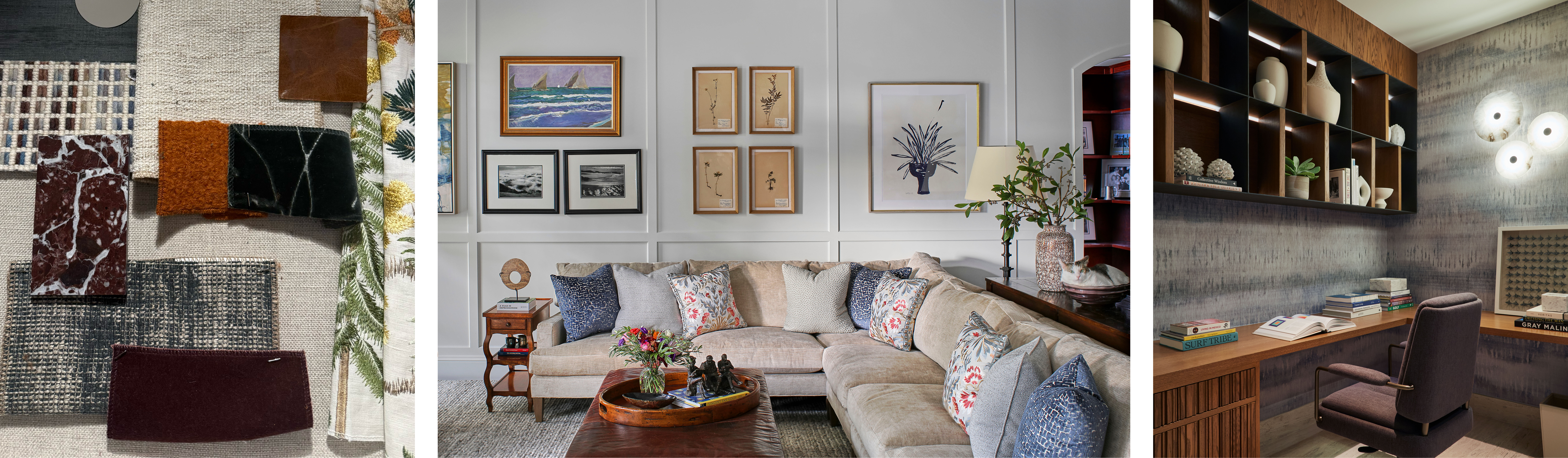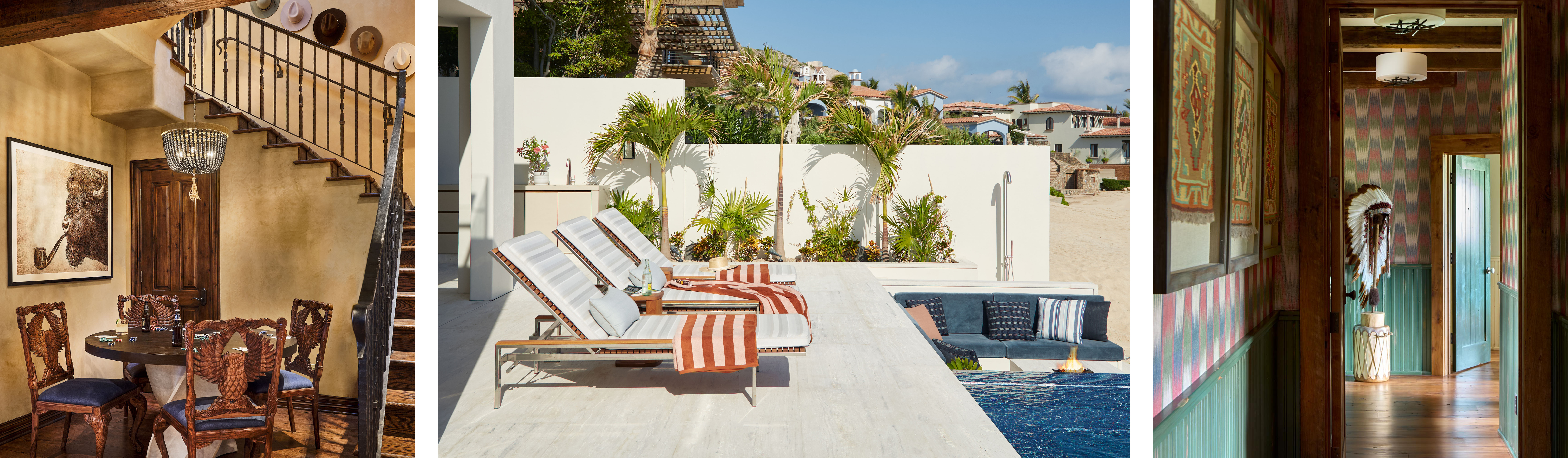
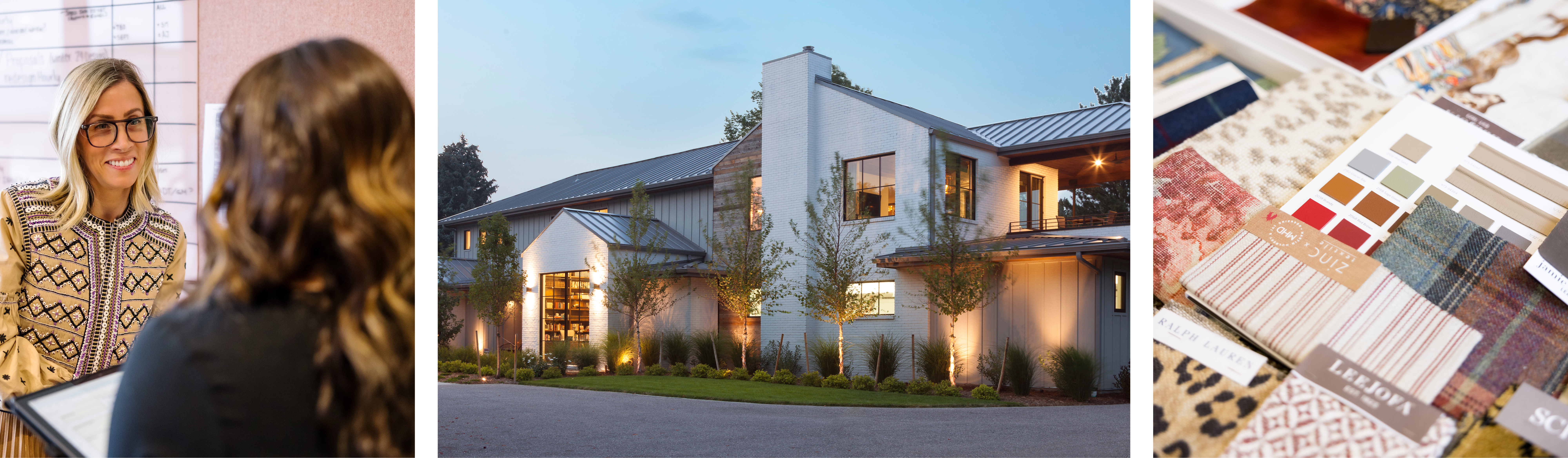
I always say I’m not a designer by profession. It’s who I am, not what I do. I can’t turn it off. I can be at a brewery on a Sunday afternoon with my husband and find myself thinking about how the space could work differently. So when a new client walks into our first meeting feeling nervous, I get it, but I also know within the first ten minutes that nerves are about to give way to something much more comfortable: an honest conversation about how they live.
A lot of people are curious about what to expect from an interior design consultation before they ever pick up the phone. I want to be straight about it, because the mystery is usually worse than the meeting itself.
Why the First Meeting Matters So Much
I founded Duet Design in 2011, and I have been in the industry for nearly two decades, since graduating interior design school in 2007. In all that time, my whole approach has come down to two rules. The first: listen, because clients will always tell you what they want, even if they don’t realize they’re telling you. The second: be willing to take risks. A beautiful room that doesn’t function for the people living in it isn’t a successful design, no matter how well it photographs.
Setting the Tone From the First Few Minutes
Most homeowners expect a design consultation to start with style questions: favorite colors, preferred eras, a Pinterest board they’ve been quietly building for years. My first meetings start somewhere different. They start with how you actually live. Who uses the space, and when. What the home needs to support, day to day and during the moments that matter most, holidays, family gatherings, those quiet mornings before the rest of the household wakes up.
Interior Design First Meeting: What to Bring and What to Expect
If you’re preparing for your own first meeting with me, a little preparation goes a long way, though I promise nothing is mandatory.
What Helps, Though Nothing Is Required
A few things that tend to make our first conversation more productive for both of us:
- Images or references of spaces that genuinely resonate with you, even if you can’t quite articulate why
- A general sense of your budget range, since that shapes what we can realistically discuss
- A list of how each space actually gets used, especially for rooms that serve more than one purpose
- Honesty about past design experiences, both what worked and what didn’t
None of this needs to be polished. My process is built to draw preferences out through conversation and observation, not to require you to arrive with a fully formed vision already in hand. I don’t know how to describe my own style in one word either, and I design homes for a living.
The Walkthrough
If we’re meeting in person, a walkthrough of the relevant spaces usually follows our initial conversation. This is where I get to use the part of my brain that’s been doing this since childhood: noticing how light moves through a room at that hour, where the furniture is currently fighting the architecture instead of working with it, and what existing pieces are worth keeping versus reconsidering.
For clients with an established home and real emotional attachment to certain rooms, this stage often surprises them. Instead of suggesting a wholesale change, our conversation usually centers on what’s already working that just needs to be honored more intentionally.
The Stages of a First Meeting
A typical first meeting with me moves through a few distinct phases, even though the conversation itself feels organic rather than scripted.
Listening and Discovery
The earliest part of our meeting is almost entirely about understanding you, not the room. I’ve described my own approach as instinct paired with intention, and that instinct is built on genuinely hearing what a client says, and sometimes what they don’t say directly but communicate through how they describe their home and their life inside it. The American Society of Interior Designers considers this kind of consultation one of the most valuable investments a homeowner can make before any renovation begins, and I’d agree completely.
Observing the Space
Whether it’s an in-person walkthrough or photos and floor plans shared remotely, I’m assessing the physical realities of the space: light, proportion, existing architecture, and how rooms connect to one another. Design decisions made without a real understanding of the space rarely hold up once execution begins.
Setting Expectations for What Comes Next
By the end of our first meeting, you should have a clear sense of what working with Duet Design would actually look like, including the general process, rough timeline expectations, and how decisions will get made together going forward. This isn’t a finished proposal yet, but it should remove most of the uncertainty that brought a little nervousness into the room in the first place.
A few things you can expect to walk away with after that first conversation:
- A clearer sense of whether your vision and my approach are a strong match
- An honest read on what your space currently does well and where there’s genuine opportunity
- A general understanding of process and next steps, without any pressure to commit right away
- The start of a working relationship built on the same listening-first approach that defines everything we do
How Long Does the First Meeting Take, and Does It Happen Remotely?
Most initial design consultations across the industry run between one and two hours, depending on the scope of the project, and mine fall right in that range, though the exact length flexes based on how much ground a client wants to cover.
Working With Remote and Multi-Property Clients
Not every client lives near our Denver studio, and not every home under discussion is the primary residence. For clients with a mountain property or a second home out of state, our first meeting often happens virtually, with photos, floor plans, and video walkthroughs standing in for an in-person visit. This works especially well for clients I already know, who are looking to extend that same design language to an additional property. Our post on multigenerational home design speaks to something a lot of these clients are navigating: building consistency across multiple homes that serve different generations of the same family at different times of year.
Why This Matters for Clients in Their Prime Building Years
For clients who are scaling up, professionally and personally, and want a home that performs on every front, function, style, and whatever you want to call that wow factor, the first meeting carries particular weight. These are often clients balancing demanding careers, growing families, and a desire to finally invest in a home that reflects years of hard-earned success.
Honoring Both Voices in a Household
When a household includes two people with genuinely different aesthetic instincts, the first meeting is often where that dynamic shows up for the first time. I make a point of leaving room for both voices rather than defaulting to whichever partner speaks first or most confidently. This matters enormously for how the project turns out, since a home that only reflects one partner’s taste rarely feels complete to the household as a whole. I’m Type-A, organized, a little obsessive, but I see the world through a different lens than my husband does, and I’ve learned that the best homes come from honoring both perspectives, not picking a winner.
Addressing Sticker Shock Early, Not Later
Clients moving into a significantly larger home, especially from a much smaller one, sometimes underestimate the investment it takes to furnish a space at the level they’re hoping for. I address that directly and early, rather than letting budget surprises surface midway through a project once expectations have already taken shape.
If you’re further along in your own search process, our post on 10 questions to ask interior designers before hiring offers a useful framework for evaluating any designer, not just me, before you commit to a project.
What Happens After the First Meeting
Following our conversation, clients typically receive a proposal outlining scope, estimated investment, and next steps.
What a Strong Proposal Actually Includes
Industry guidance on the consultation process notes that designers vary in how they structure proposals and whether they charge for that first meeting, but the common thread among reputable firms is transparency about scope, timeline, and investment before any design work begins. I follow that same principle. You should know exactly what you’re agreeing to before you commit to anything.
Why Some Clients Wait, and Why That's Fine
Not every first meeting leads immediately into a project. Some clients use this conversation to understand their options and come back later, once a renovation, a move, or a life change makes the timing clearer. I treat that as a normal part of the process, not a failed consultation, because the goal of our first meeting has never been to close a sale. It’s been to figure out whether Duet is the right fit for your home and your family. Our post on why you need an interior designer for your project goes deeper into this decision point, if you’re still weighing whether the timing is right for you.
A Conversation, Not an Audition
There’s no test to pass, no aesthetic to perform. I just want to understand whether Duet is the right partner for your home’s next chapter, and the only way to figure that out is to talk.
Learn more about our residential interior design services, browse our furniture and fixtures offerings to get a sense of how my team approaches sourcing, or contact our team and we’ll find a time.