The best architecture begins with how a home will be lived in.
Duet Forma provides residential architecture services within the Duet ecosystem. Zoning, structure, site conditions, daily use: we work through all of it early, so the home that gets built is the home you intended.
We sit at the table with designers, builders, and consultants from day one. Not because it’s protocol, but because architecture decided in isolation rarely survives the way a house is lived in.
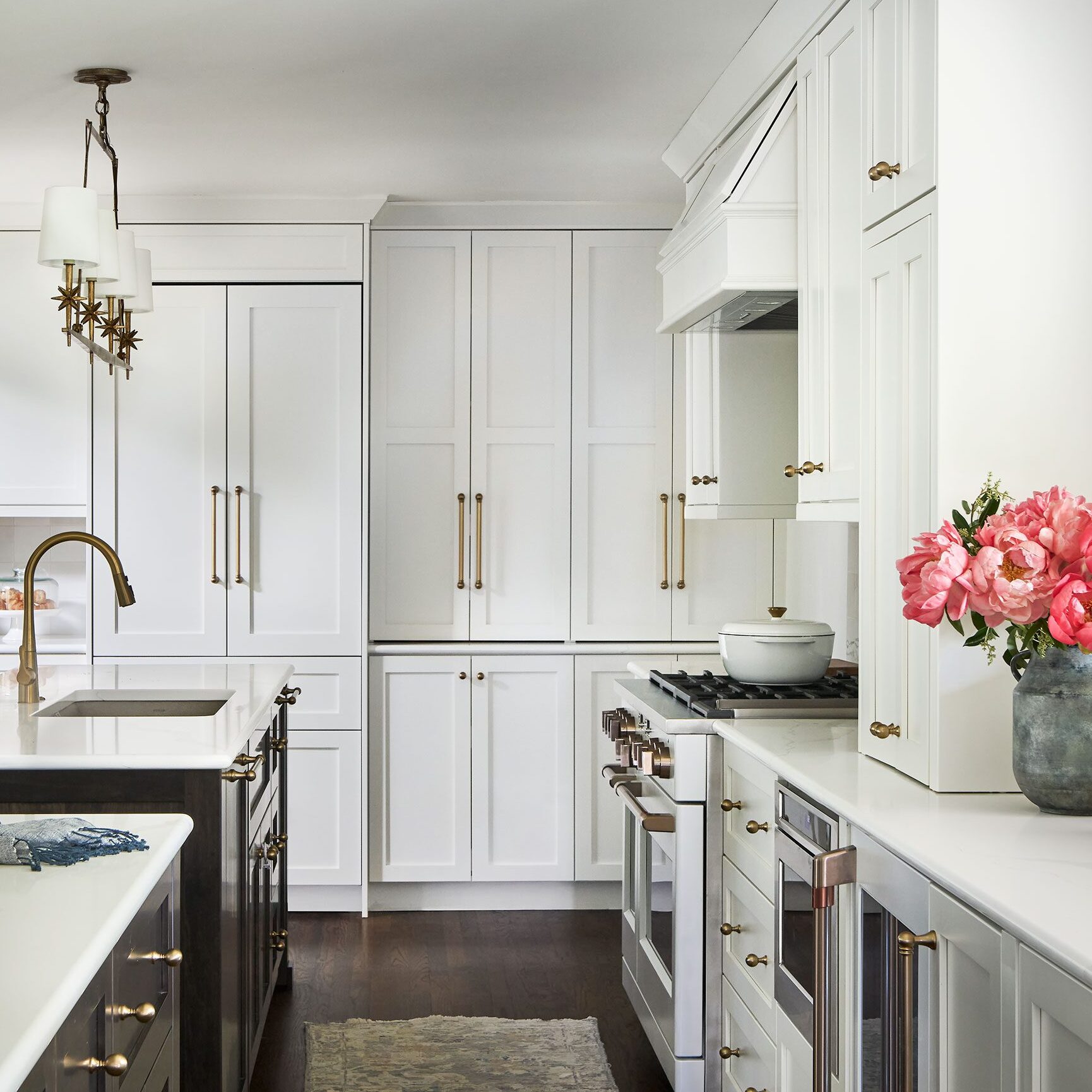
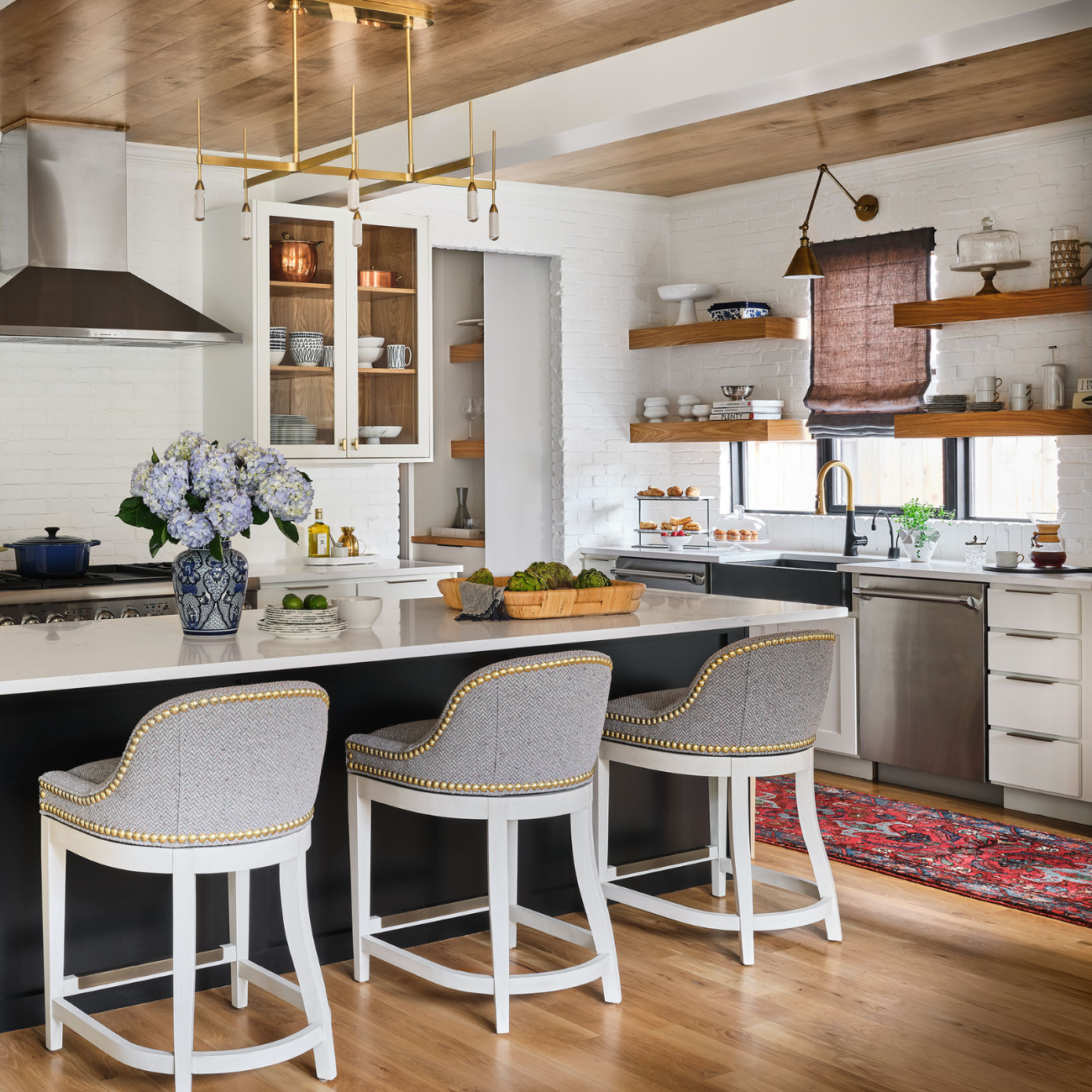
Most architecture starts with structure and massing. We start with how a family moves through the kitchen at seven in the morning, or where a home office needs to sit so it’s quiet enough to use. The life inside the home comes first. The building follows.
Design intent and construction reality don’t always agree, and finding that out mid-build is expensive. We bring architecture, interior planning, and construction strategy into the same room early, while a change is still a conversation and not a change order.
We share the vision instead of guarding it, with builders, engineers, interior designers, and whoever else the project needs. The design holds up better because the right people looked at it sooner.
Every decision gets weighed twice: how it reads from the street, and how it works when you’re standing at the pantry door with your hands full. Proportion outside. Function inside. Neither one wins by default.
(Early Planning)
This is where early decisions pay off most. Long before renderings, we’re in the zoning code, site surveys, and structural feasibility, working out what’s possible on this lot, for this family, at this budget.
For clients moving from a larger home into a smaller one, this is often the hardest and most important conversation: what stays, what goes, and what a smaller footprint has to do that the old one never did. For a family expanding into more space, the question flips, and it matters as much. Either way, better questions here mean fewer surprises later.
What this includes:
(Design Development)
Once the direction is set, the work gets technical. Structural systems, window and door placement, ceiling heights, the stair that has to feel inevitable and still meet code.
This is the phase where a beautiful idea becomes a buildable one.
We treat that refinement as part of the craft, not a failure of the original design.
What this includes:
(Team Coordination)
We don’t walk in with a signature look and apply it to every site. Every project starts with listening: how you want to live, host, work, and retreat. A multigenerational household that hosts every holiday needs something different than a couple building their first custom home, and the architecture should say so.
What doesn’t change is the discipline behind it: complete drawings, real coordination with engineers and consultants, and clear milestones that keep the project moving instead of stalling in revisions.
What this includes:
Duet Forma works alongside Duet Design, Duet Build, and Duet Edit, so architecture, interior planning, and construction develop together instead of in sequence.
Each discipline brings its own expertise. All of them share the same standard: clear process, honest partnership, and homes built to hold up.
Licensed architecture, an early seat at the table, and feasibility work that catches problems while they’re still inexpensive to fix. That’s the short version of residential architecture services at Duet.
By asking the hard questions before anyone falls in love with a floor plan. Zoning, site limitations, structural reality: it’s better to hear the hard news in week two than after the drawings are finished.
Earlier than most people think to call an architect. The most important decisions happen before a single wall is drawn, and that window closes fast.
The three work together from the beginning rather than handing the project off in sequence. Interior design intent, architectural planning, and construction strategy develop side by side, which is how you avoid architecture that gets revised mid-build.
Yes. Some clients want Forma and nothing else. Others bring in Duet Design or Duet Build alongside it. Either way works.
Duet Forma sits inside a firm that also designs interiors and builds homes. Our architecture gets tested against construction and daily life before it ever leaves the office.

"*" indicates required fields