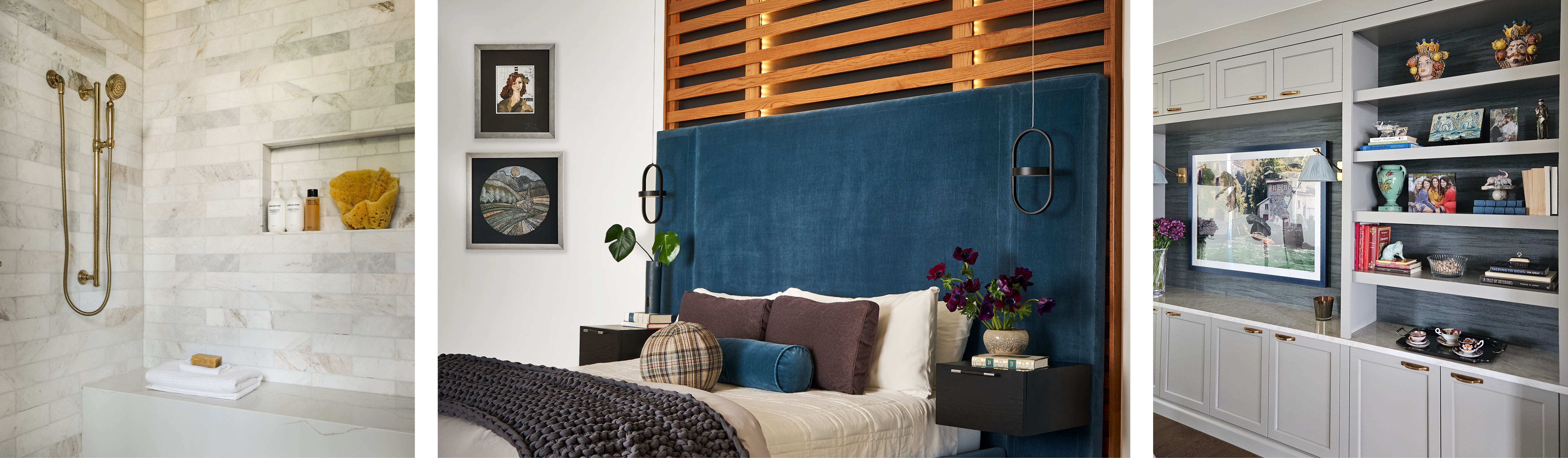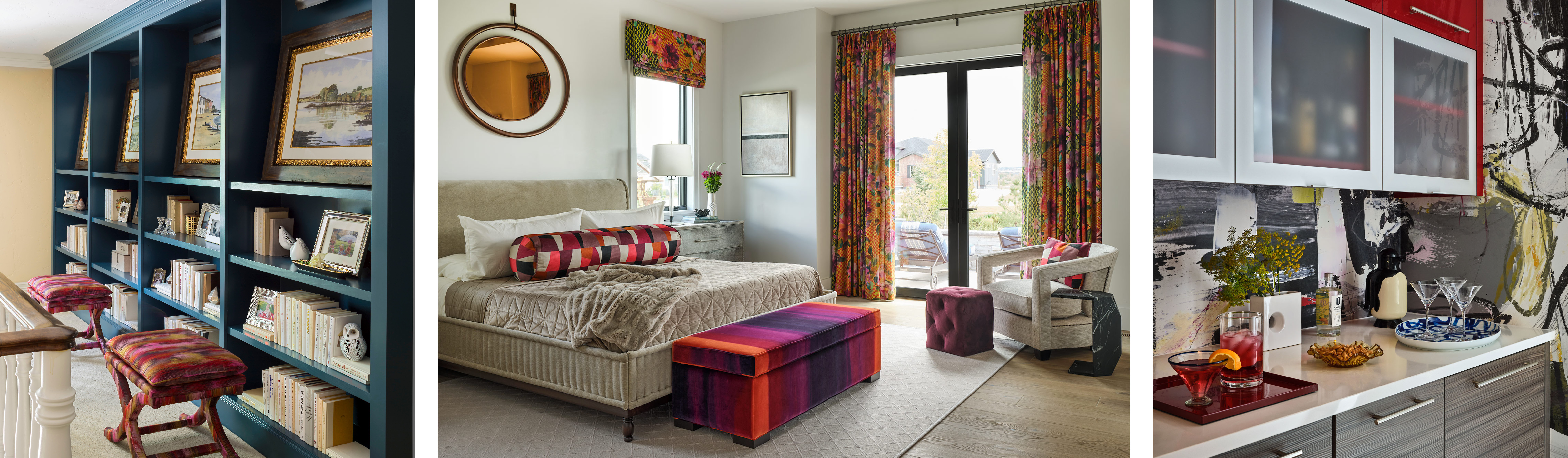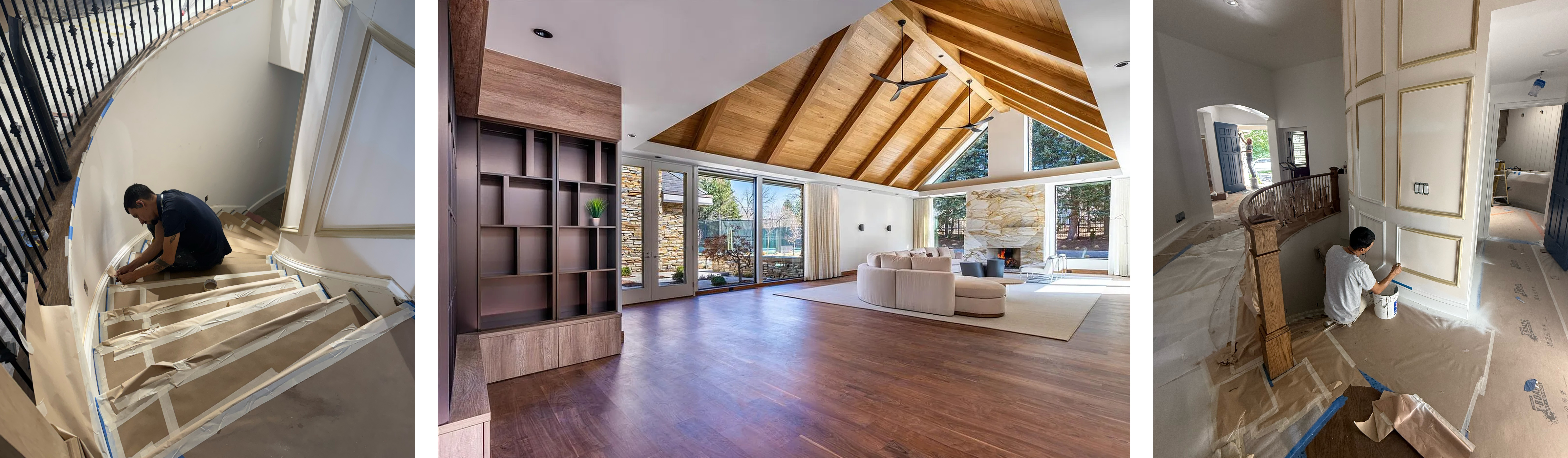
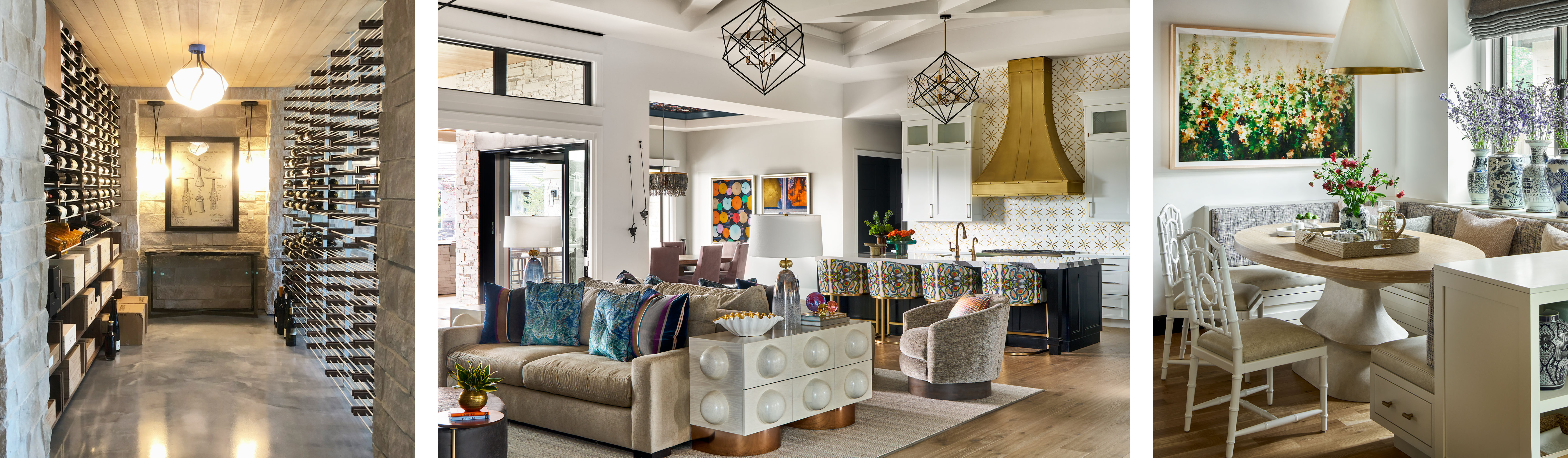
Most people picture the end of a design project as a single moment. The doors open, the rooms are revealed, and there is a held breath while everyone waits to see the result. That moment is real, and I care about it. But in my experience it is not actually when a home feels done. The feeling of a home being right arrives a little later and much more quietly, usually a few weeks in, once the client has stopped looking at the design and simply started living inside it.
That later, quieter shift is the thing my clients describe most often. It is also the hardest thing to design for, because it has less to do with how a room photographs and everything to do with how it holds up on an ordinary Tuesday.
What “Done Right” Actually Means
A finished home and a home that is done right are not the same thing. Plenty of projects get finished. The furniture arrives, the art goes up, the final invoice clears. What separates the two is whether the home holds together once real life moves back in.
A home that is done right absorbs the life happening inside it. The entry handles the actual household rather than an idealized version of it. The kitchen works at seven in the morning and again at seven at night. The rooms that looked composed in a presentation still feel composed after a season of use. Nothing has to be worked around, and that absence of friction is the clearest sign that the design understood the people before it ever considered the palette.
The Quiet Test I Pay Attention To
There is a test I watch for long after installation. Does the client keep the home the way we designed it, or does it slowly drift back toward how they lived before. When a home is genuinely tailored to how a household operates, it tends to stay resolved on its own, because the design was built around real habits rather than laid on top of them. When it drifts, it usually tells me the work was closer to a look than a fit. I would rather know that, because it sharpens the next decision.
Finished for the Photo, or Finished for the Life
There is a kind of home that photographs beautifully and lives poorly. Every surface is styled, every corner composed, and none of it survives contact with a real week. I understand the appeal, and a home should absolutely be beautiful. But beauty that cannot absorb daily life is a costume, not a design. When I compose a room, I am asking whether it will still read the way I intend after the family has actually used it, not just whether it holds for a single afternoon with the light right and nothing out of place.
Done right means both things are true at once. The home is beautiful and it works, and the beauty does not depend on the household behaving like guests in their own house.
Why Working With a Full Service Interior Designer Changes the Result
Working with a full service interior designer is a different undertaking than hiring help for a single room, and the difference shows up most clearly at the end. A whole-home engagement carries one point of view through every decision, so the finished result reads as a single continuous idea rather than a set of good choices that happen to share an address.
This continuity is not uniformity. Rooms can differ in mood and still belong to the same home. What holds them together is a consistent quality of attention: the same care given to sightlines, to how light moves across the day, to proportion, to the way one space hands off to the next. That through-line is difficult to hold when decisions are made in isolation, and it is the reason a full-service result feels settled in a way that assembled work rarely does.
There is a practical side to this as well. A whole-home engagement means one team holds every decision in relation to every other one, so a choice made in the kitchen is weighed against what it means for the room beside it, the light it borrows, and the way the two connect. Nothing is decided in a vacuum. That is hard to replicate when a home is furnished room by room over years, because each decision is made without full sight of the others, and the gaps between them are exactly where a home starts to feel assembled rather than composed.
What Interior Design Process Results Look Like Once You Live in Them
Clients tend to expect the payoff of a project to be visual. It is, but the visual part is the easiest to anticipate.
The interior design process results that surprise people are the ones they feel rather than see.
A few of the things clients name most often once they have lived in a finished home:
- The house is calmer to be in, and they cannot always say why. Usually it is the absence of competing focal points and the presence of a clear hierarchy in each room.
- Daily routines got easier, because the plan was organized around how the household actually moves rather than around a drawing.
- Guests respond to the home without pointing to any single feature, which is what happens when a space is composed as a whole.
- The rooms designed for specific moments, holidays, a full house, a quiet morning, perform on cue instead of needing to be staged first.
None of these are dramatic. Together they are the difference between a home that looks resolved and one that behaves that way.
The Weeks Right After Move-In
I pay close attention to the first month a client spends in a finished home, because that is when I learn whether the design actually understood them. The reveal shows the intent. The weeks that follow show the fit. A client either sinks into the home and stops adjusting things, or they start making small corrections that tell me where the design was still guessing.
This is why I do not consider the work finished at installation. The best projects include a real conversation a few weeks in, once the family has cooked in the kitchen a dozen times, hosted once or twice, and lived a normal week. Small things surface: a reading chair that wants to be turned toward the light, a drop zone by the door that needs one more hook, a lamp that reads better across the room. None of these are failures. They are the home telling us the last five percent, and the last five percent is often what a client remembers most.
The Rooms That Tell the Truth
Not every room reveals whether a home is done right. A formal space used twice a year can look correct indefinitely, because it is rarely tested. The rooms that tell the truth are the ones under daily pressure.
The Kitchen
A kitchen is where design meets the most friction, because it is used hardest and judged fastest. A kitchen that is done right disappears into the cooking. The things you reach for are where your hand expects them. The island gives the household room to gather without crowding the person actually working. When a kitchen is only styled and not designed around how the family uses it, the friction shows up within a week, and no finish can hide it.
The Entry
The entry sets the tone and takes the most abuse. It absorbs the daily arrival of a household: bags, shoes, mail, the accumulated evidence of a real life. An entry designed for how the family actually comes home stays composed. One designed for how an entry looks in a photograph is buried by the second week. I read a great deal from how an entry holds up.
The Room the Family Actually Uses
Whatever room the household gravitates to at the end of the day, and it is not always the one they expect, is where the design either earns its keep or does not. If the family drifts to the kitchen island instead of the living room I designed for them, that is information, and it changes how I would design for them next time. A home done right is one where the rooms people are drawn to are the rooms built to hold them.
Why the Relationship Does Not End at Installation
A single-room decorator hands over the room and moves on. A full-service relationship is built to stay useful after the project closes, because a home keeps living after the design is done. New art gets acquired and needs placing. A room’s purpose shifts as the household changes. The home that was right at move-in wants small, informed adjustments over the years to stay right.
This is the part clients underestimate at the start and value most later. The team that designed the home already knows its logic, so maintaining it over the years does not mean re-explaining it. The decisions come with context already attached. Our work on furniture and fixtures is chosen with how a home will be used and lived in over time, not only how it presents on the first day.
What I Mean by Longevity
A home designed to be right is designed to age well, not just to open well. Materials are chosen for how they will look after years of use, not only how they read on a sample board. Rooms are organized around how a household will actually change, where a nursery becomes a study, where a guest room quietly starts doing the work of a primary suite. The American Society of Interior Designers describes full-service practice in similar terms, as a long relationship with a home rather than a single transaction, and that framing matches how I think about the end of a project. Our post on timeless interior design goes deeper on designing for how a home ages.
What Gets in the Way of Done Right
When a home does not reach that settled feeling, the reason is usually one of a few things, and none of them is a lack of good taste or good money. The most common is rushing the early conversation to get to selections faster, which means the decisions later are made without a clear brief to check them against. Another is decision fatigue, where a client stops engaging partway through and the last third of the home gets chosen on autopilot. A third is changing direction midstream, chasing something new before the original idea was fully realized, so the home ends up as two half-committed ideas instead of one whole one.
I raise these early, because they are all avoidable, and avoiding them is most of what keeps a project on course. A home that is done right is usually a home where the process stayed honest from the first meeting to the last, and nobody let the middle quietly slip.
What Clients Say When It Is Over
The comment I hear most at the end is rarely about a specific room. It is some version of: the house finally feels like us. Not like a designer passed through, and not like a version of a home they saw somewhere else. Like theirs.
That is the result I am actually working toward. The rooms matter, the finishes matter, the composition matters. But the measure of whether a home is done right is whether the people living in it stop thinking about the design at all, because it has quietly started doing its job.
If you are early in thinking about a whole-home project and want to understand how that ending gets built from the first conversation, our residential interior design work is the clearest place to start. When you are ready to talk through your own home, I would welcome the conversation.