I can tell within the first few minutes of walking through a home whether it was designed to be lived in or designed to be looked at. The difference is not always obvious from photographs. Sometimes the most photographed homes are the emptiest-feeling ones, and the homes that feel most genuinely right are the ones that would not survive a magazine shoot without someone moving the books back.
I find the second kind more interesting to work with.
The homes I am most drawn to, as a stylist and as a designer, are the ones with accumulated meaning. The chair that belonged to someone’s grandmother that nobody would choose from a showroom but that anchors the room in a way nothing else could. The art that a client bought on a trip fifteen years ago and has moved from house to house because it matters. The collection of objects on a shelf that tells you something specific about who lives there.
My job, when I come into a home like this, is not to start over. It is to figure out what the home is trying to be and help it get there more fully.
The Difference Between Home Staging and Styling
Staging and styling are often used interchangeably, and they are genuinely different things. Understanding the difference between home staging and styling is the starting point for understanding what The Duet Edit actually does.
The American Society of Interior Designers draws a clear distinction between staging, which prepares a home for market, and interior styling, which is a professional service focused on the occupant’s experience rather than the buyer’s impression. Staging is preparation for sale. The goal is to depersonalize a home enough that the largest possible number of buyers can project themselves into it. Furniture is chosen for scale and neutrality. Personal objects are removed. Color is subdued. The home is made to look like a nice room in a hotel: appealing, but deliberately without character.
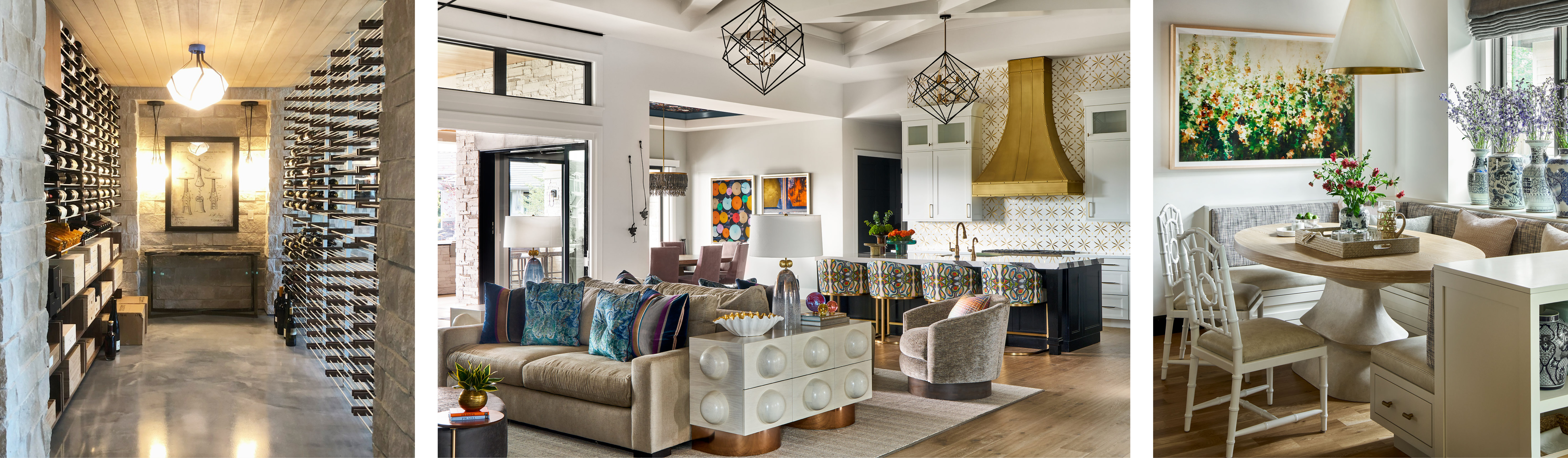
Styling is the opposite impulse. Styling is about finding and amplifying the character that is already there. It starts with what a specific family owns, how they actually live, and what the home has accumulated over time. The goal is not to make it look like anyone’s home. The goal is to make it look unmistakably like theirs.
What I Am Actually Looking At When I Walk In
When I walk through a client’s home for a Duet Edit session, I am doing several things at once that probably look like I am just looking around.
I am reading the room’s color story to understand what the existing pieces are doing together and where they are working against each other. I am noticing how light moves through the space at this hour and what that means for where furniture should sit. I am identifying which pieces are doing the most work, which ones are invisible, and which ones are fighting for attention they have not earned.
I am also listening. Clients tell me a great deal when they show me their home. The pieces they apologize for are often the ones with the most meaning. The rooms they do not take me into right away are often the rooms that need the most attention. I pay close attention to what people love about their homes, because that is usually where the real design identity lives, waiting to be built around.
Styling a Lived-In Home Is Not the Same as Refreshing It
There is a version of home styling that is essentially shopping. A few new pillows, a throw blanket in the season’s color, some fresh botanicals. That version of styling can make a room feel updated for a season. It is also the version that feels slightly off within six months, because it is not connected to anything durable about how the family lives.
Styling a lived-in home starts from the opposite direction. Instead of asking what should we add, the first question is: what is already here that we are not using well?
Most homes that feel vaguely dissatisfying are not missing things. They have too many things, arranged without a clear point of view. A room that has accumulated furniture, objects, and art over years without an editing hand tends to read as busy even when it is not crowded. The eye does not know where to land.
The Duet Edit approach is primarily subtractive before it is additive. We move things out of rooms before we bring anything in. We rearrange before we replace. In most sessions, the transformation comes from how the existing pieces are deployed, not from what gets purchased.
The Pieces I Leave Alone
This is something I want to say clearly, because clients sometimes worry that a professional eye will want to replace things they love. I do not want to replace things clients love. I want to build around them.
The grandmother’s chair, the art from the trip, the collection that means something: these are the anchors. Everything else in the room should be arranged to support them, not compete with them. When I find a piece that carries real meaning, my instinct is to give it more room, better light, and a clearer relationship to the room around it. Not to replace it with something that photographs better.
This is what makes the approach fundamentally different from staging or from decorating from scratch. The client’s history is not a constraint. It is the material.
What Changes When a Home Has Been Lived In for Years
The clients I see most often for Duet Edit sessions have been in their homes for a decade or more. The home has evolved with them. Children have grown up. Rooms have changed function. Objects have accumulated. What made sense when they moved in may not reflect how they actually use the space now.
What I notice in these homes is that the design identity is often already there, it has just gotten obscured by the accumulation. A living room that was once carefully considered has developed competing focal points. A dining room that was designed for formal entertaining now hosts homework three nights a week and needs to accommodate that honestly.
Part of what a Duet Edit session does for long-tenured homes is help them catch up with the family that lives in them. Not by reimagining the home from the ground up, but by looking at how it is actually being used and making the design respond to that honestly.
When the Home Needs More Than an Edit
Sometimes I walk through a home and realize that what it needs is not an edit but a redesign. Not because it is badly designed, but because the life inside it has changed significantly enough that the bones of the room are no longer serving how the family lives.
When that is the case, I say so. The Duet Edit is not the right service for every situation, and the most useful thing I can do for a client is be honest about what their home actually requires. For homes that need more than styling can address, the conversation about a fuller Duet Design engagement starts from the same place: understanding the life that needs to be served before making any design decisions. Our post on the interior design process covers how that deeper engagement works, from first walk-through to final installation.
What a Duet Edit Session Actually Produces
I want to be specific about this, because I think the mystery around what a styling session produces is part of what makes clients hesitant to book one.
In a Duet Edit session, you will watch your existing rooms get rearranged, edited, and in some cases significantly transformed through the repositioning and recontextualization of what is already there. You will get honest recommendations about what is working and what is not, delivered without judgment about the decisions that produced the current state. You will leave with a clear sense of what your home still needs, if it needs anything, and a plan for how to address it.
What you will not get is a home that looks like it was styled by someone else. That is not the point. The point is a home that looks like you, more fully and more deliberately than it did before.
A few of the things that most consistently surprise clients after a session:
- How much the room changes when a single dominant piece gets better placement and the others are rearranged around it
- How little needed to be purchased once the existing pieces were working together
- Which rooms they had stopped really seeing because they had become so familiar, and how different they read with fresh eyes and a different arrangement
Our post on art selection goes deeper into how I think about art placement specifically, which is one of the most visible single decisions in any styling session, and one that most rooms have not gotten quite right.
What the Edit Reveals About a Home's Identity
One thing I have noticed over many Duet Edit sessions is that homes tell you what they want to be, if you are willing to listen carefully enough. Not in a mystical sense. In a practical one: the pieces that have stayed, the rooms that feel most comfortable to the family, the objects that have followed them from house to house, all of these are evidence of what the household values most.
When I find that evidence and build around it, the home tends to feel more resolved than any amount of new purchases could make it feel. The identity was always there. It just needed someone to see it clearly and give it more room.
Research on how people experience their home environments consistently shows that visual clarity, the sense that a space has a coherent point of view, is one of the strongest contributors to how comfortable people feel in a room. This is not about minimalism. A room full of meaningful objects can have that clarity. It comes from the sense that someone made deliberate choices about what is present and why, not from how much or how little is in the space.
A Duet Edit session is, at its core, an exercise in creating that clarity from what already exists. Removing the pieces that undermine it. Repositioning the ones that support it. Finding the arrangement that lets the home’s own identity come forward.
What I Leave Behind in a Session
At the end of any Duet Edit session, the changes we made should feel obvious in retrospect. Not like a professional came through and imposed a new direction, but like someone finally saw what the room was trying to be and helped it get there. That is the version of this work I am most proud of. Our post on why you should not DIY home decorating covers why the professional eye produces results that are difficult to replicate through effort alone, even for clients with strong design instincts of their own.
Why I Find This Work as Interesting as a Full Design Engagement
Some designers see styling as a lesser version of what they do. I do not experience it that way. The constraint of working with what exists, of finding the design identity that is already present and helping it come forward, is genuinely challenging in ways that designing from scratch is not.
A full design engagement starts with a brief and builds toward it. A styling session starts with what is there and asks what this home is trying to be. The second question requires a particular kind of listening, and when it gets answered well, the result is a home that feels more itself, not more designed.
That is the version of this work I am proud of, and it is what I aim for in every Duet Edit session.
If you are curious about what a session would look like for your home, take a look at our home furnishings and styling services or explore how Duet Edit fits within the broader design work we do. When you are ready, reach out to our team and we will start with a conversation about your home.