I get this question in a lot of forms, but it usually comes down to the same uncertainty: is what I am feeling about my home a styling problem or a design problem. People sense that something is off, and they are not sure whether it needs an afternoon or a project. The answer is usually clearer than they expect, and knowing the difference saves everyone time and money.
Home Styling vs Interior Design Service: The Actual Difference
The simplest way I can frame home styling vs interior design service is this. Styling works with what a room already has. Design changes what the room is. The Duet Edit, our styling service, repositions, edits, and refines the pieces already in a space, and adds only where something is genuinely missing. Duet Design reworks the space itself: layout, architecture, and the full set of selections that make a room what it is.
Most homes need one or the other at any given moment, not both. The trick is being honest about which problem you actually have, because using a full design engagement to solve a styling issue is expensive, and expecting a styling visit to fix a layout that does not work will only frustrate you.
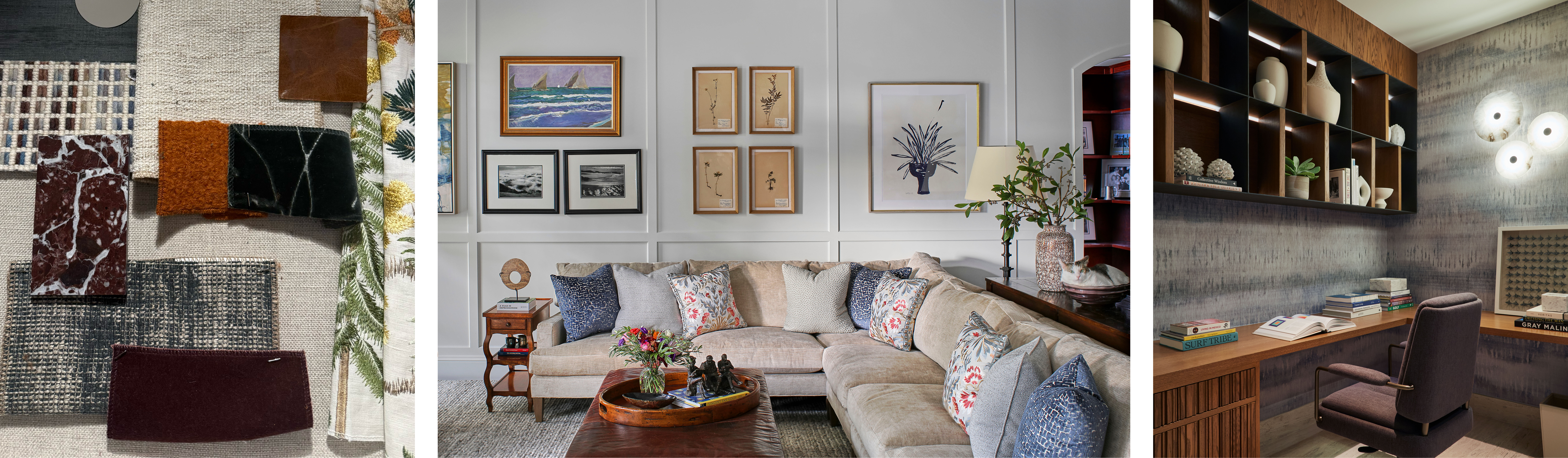
When Do You Need a Home Stylist
Here is how I answer when do you need a home stylist.
You need styling, the Edit, when the bones of the room are right and the room still is not landing.
- You have good pieces, but the room feels cluttered or somehow flat, and you cannot say why.
- Your art is hung and grouped, but nothing quite reads the way you hoped.
- A room worked a few years ago and feels tired now, though nothing structural has changed.
- You have acquired new things over time and they have never quite been pulled together.
These are perception and composition problems, and they respond to a trained eye in a single focused session. Often the fix is subtraction, hierarchy, and repositioning rather than anything new. Our home furnishings and styling service page shows more of what that session actually involves.
When It Is Actually a Design Problem
You need design, not styling, when the issue is the room itself.
- The layout fights how you live, and no amount of rearranging solves it.
- You are changing how the space is used: a wall, a kitchen, a primary suite, the way rooms connect.
- You are starting from an empty or newly built home and need the whole thing composed, not adjusted.
- The finishes and architecture are working against the feeling you want, and only changing them will fix it.
No stylist can resolve a floor plan that does not support your life. When the problem is structural or the scope is a whole home, that is a design engagement, and trying to style your way out of it just postpones the real solution.
What Each One Asks of You
Part of choosing between them is understanding what each actually asks, in both time and investment, because they are not on the same scale.
The Edit
A styling session is measured in hours, not months. The team spends a focused afternoon in a space, works largely with what you already own, and adds only where something is genuinely missing. The investment is modest relative to a full project, and much of the value is immediate: you often walk back into a finished room the same day. It is the right scale of commitment when the room is fundamentally sound and needs a trained eye rather than a renovation.
A Design Project
A full design engagement is measured in months and is a real investment of time, decision-making, and money. It is structured, multi-phase, and detailed, and it asks you to engage at key decision points throughout. That is not a drawback. It is what makes the result worth having. But it is the wrong tool for a problem a styling session could solve, just as a styling session is the wrong tool for a layout that does not work.
How Each One Begins
The two also start differently, and the start tells you something about the scope.
An Edit begins with a conversation about how you use the room and which pieces carry meaning, and then the work happens. It is quick to set in motion because it does not require rethinking the space itself. A design project begins with discovery: a deeper process of understanding how your household actually lives, what the home needs to do that it currently does not, and what you want it to feel like. That process is the foundation everything else is built on, and it is why a design engagement cannot, and should not, move as fast as a styling visit.
Keeping a Home Right as It Changes
One of the most common reasons clients call for the Edit is not a problem at all. It is maintenance, in the best sense. A home that was designed well does not stay static. New art gets acquired. The seasons change what a room needs. A space that was right three years ago wants a small adjustment now that the household uses it differently.
For clients who have done a full project with us, the Edit is how that original work stays intact as life moves. The team already knows the logic of the home, so keeping it resolved does not mean starting over each time. This is where the two services stop being alternatives and become a rhythm: the design sets the foundation, and the Edit keeps it current. Our post on art selection is a good example of the kind of decision an Edit revisits as a collection grows.
What Styling Cannot Do, and What It Does Better Than Anything
I am always direct about the limits. Styling cannot fix a layout, cannot change how light enters a room, and cannot resolve architecture that is working against you. What it does better than any other service is take a home you have already invested in and make the pieces finally work together. For clients who do not need new things but need what they own to cohere, the Edit is often the most valuable afternoon they spend on the house.
What Actually Happens in a First Edit Session
People are sometimes unsure what to expect from a styling session, so it helps to describe one. It usually runs a couple of hours for a main living area. It starts with a conversation, not with moving furniture: how you actually use the room, which pieces carry meaning and are not up for discussion, what has always bothered you and what you have stopped noticing. Then the work happens. We reposition what you own, edit what is competing, and identify the few places where something is genuinely missing. You can be there for all of it or come back to a finished room; most of the decisions are ours to make, with your input on anything that touches your own taste.
What surprises people most is how much of the improvement comes from subtraction and repositioning rather than from anything new. The room they thought needed more usually needed editing, and the pieces they already loved simply needed to be seen. That is the difference a trained eye makes in an afternoon, and it is why so many people are surprised the change did not require a bigger project.
Why People Wait Too Long to Call
The most common mistake I see is not choosing the wrong service. It is waiting. People live with a room that quietly bothers them for years, assuming the only fix is a renovation they do not have the time or appetite for, when a styling session would have resolved it in an afternoon. The vague dissatisfaction becomes background noise, and they stop believing the room can be better.
If a space has felt off for a long time and you have been assuming it is a bigger problem than it is, that assumption is worth testing before you commit to anything. Often the thing you thought needed a project needs an afternoon, and the only real cost of finding out is the conversation.
A Room-by-Room Way to Think About It
If you want a simple way to sort your own home, walk it room by room and ask, for each space, whether the problem is what is in the room or the room itself. A dining room that feels cluttered and cold despite good furniture is a styling problem. A kitchen that fights you every time you cook is a design problem. A living room full of pieces you love that never quite come together is styling. A primary suite that would work beautifully if the closet and bath were arranged differently is design.
Most homes, walked this way, turn out to be a mix. Some rooms need the Edit and some need real design work, and there is no rule that says you have to solve them all at once or with the same service. Starting with the rooms that only need styling often makes the home feel dramatically better while you decide what to do about the ones that need more.
When One Leads Naturally to the Other
It is common for a styling session to clarify a design problem rather than solve it. A client books an Edit for a room, and in the course of it we all realize the reason the room never worked is the layout, which no amount of styling will fix. That is a useful outcome, not a failed session. It turns a vague frustration into a specific, answerable question, and it means the eventual design work starts from a clear understanding of what actually needs to change.
A Simple Way to Decide
When someone is genuinely unsure, I ask one question: if you could rearrange and edit everything in the room perfectly, would you be happy. If the answer is yes, it is a styling problem, and the Edit is the right call. If you would still want to move a wall, change the light, or rework the layout, it is a design problem, and styling would only be a delay. That single question sorts most cases in a sentence.
If You Are Still Not Sure
When that question does not settle it, there are a few clearer signals. If your instinct is to buy something to fix the room, it is almost always a styling problem, and the Edit will serve you better and cost less. If your instinct is to knock something down, move a wall, or change how the space is built, it is a design problem, and styling would only delay the real work. And if the home is brand new or empty, that is a design project by definition, because there is nothing yet to edit.
The mistake I most want to help people avoid is spending on the wrong scale of solution: committing to a full project when an afternoon would have done it, or booking a styling session in the hope it will fix a layout that only design can resolve. Getting that call right at the start is most of what a good first conversation is for.
If you can already tell which one your home needs, start there. If you cannot, that is exactly the kind of thing a short conversation resolves quickly, and I am glad to help you place it. Tell me what is bothering you about the space, and we will figure out together whether it wants an afternoon or a project.