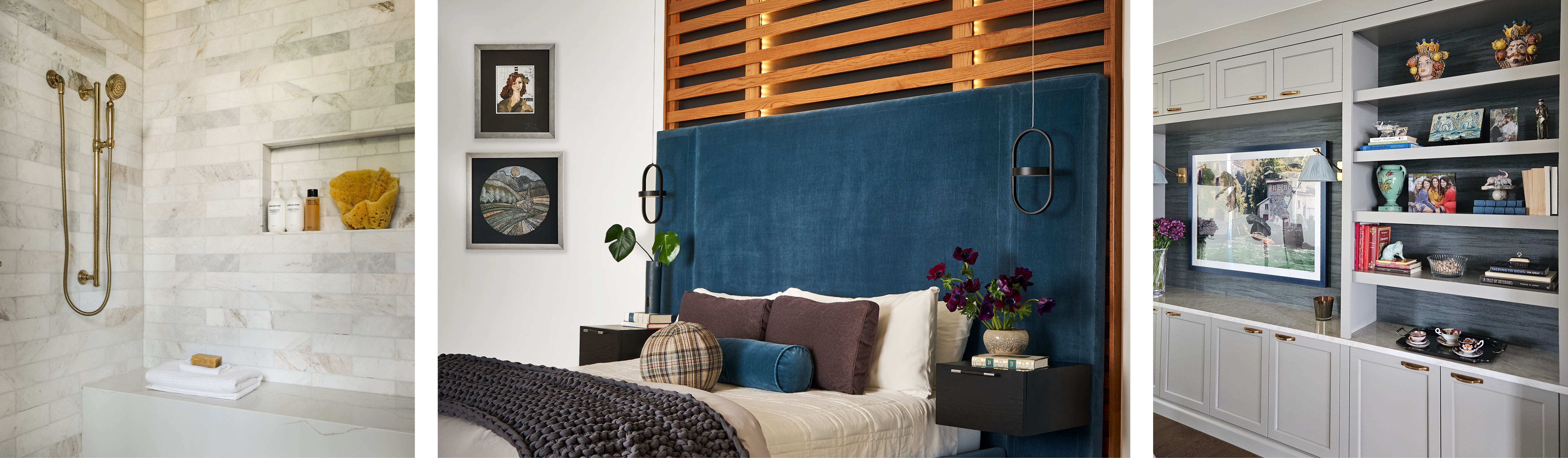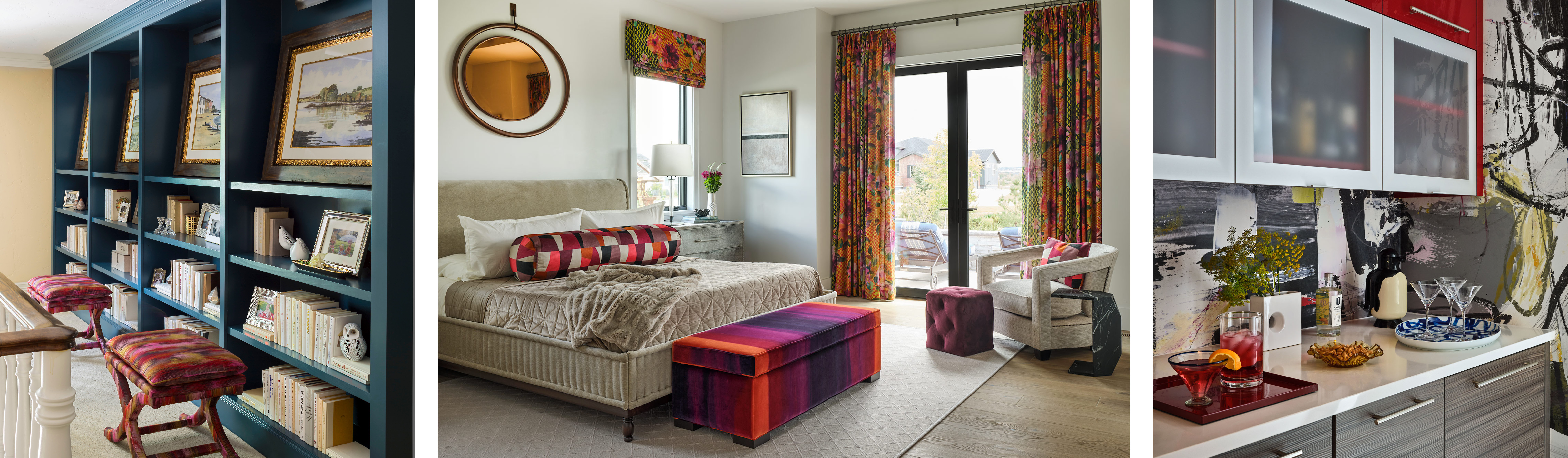

The Duet Edit is our home styling and décor service for clients who want their spaces to feel right without a full redesign. Think of it as a designer’s eye applied at a lighter scale: room-by-room adjustments, seasonal refreshes, art and accessory shifts, all guided by the same team behind Duet’s most considered interiors.
There is a particular kind of quiet that settles over a home in the days between seasons. The light shifts. The air changes its weight. A room that felt complete only weeks ago suddenly asks a different question of its owner. For many homeowners, that is the moment a practical question surfaces: when the season turns, how do you update a home without undoing the design choices already in place?
At Duet, we think about this transition not as decoration but as continuity. A home between seasons is not a blank canvas. It is a finished composition that simply needs its tone adjusted.
What Does a Home Stylist Do When the Seasons Change?
It is a fair question, and one we hear often from clients who have already invested in a fully designed home. If the architecture, the furnishings, and the art are already in place, what does a home stylist do that the homeowner cannot do themselves?
The honest answer is that a stylist does not start over. A stylist edits. The work is closer to a magazine editor revising a manuscript than an architect drawing new plans. Nothing structural changes. What changes is emphasis, texture, and the small details that tell a room what time of year it is without shouting about it.
This is particularly true for homes that serve a legacy purpose. For clients who view their homes as a backdrop for family gatherings, milestone celebrations, and years of accumulated memory, a seasonal refresh has to respect what is already there. The goal is never to chase a trend. The goal is to let a well-built room breathe differently as the calendar turns, while everything that gives the home its character stays exactly where it should be.
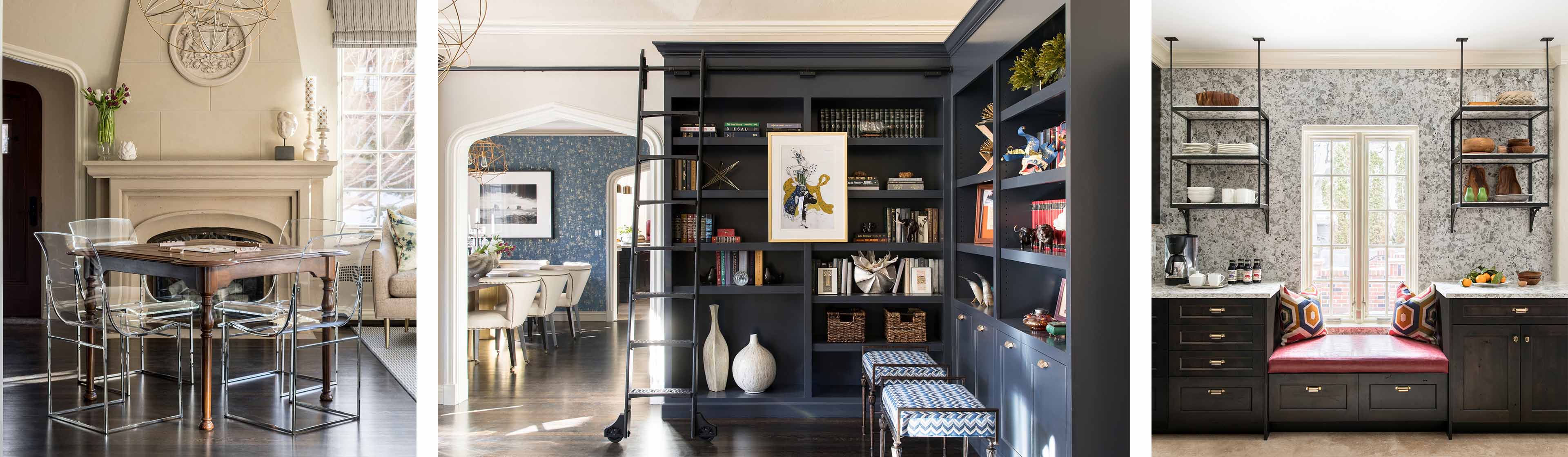
The Specific Work of a Seasonal Stylist
In practice, a home stylist does a few specific things:
- Reviews existing furnishings, art, and accessories to determine what can be reinterpreted rather than replaced
- Identifies textiles, such as throws, pillows, and table linens, that can shift in weight and tone without disrupting the room’s palette
- Selects a small number of additions, often seasonal botanicals, lighting changes, or tabletop pieces, that signal the season with restraint
- Coordinates sourcing and installation so the transition happens cleanly, without weeks of half-finished rooms
None of this requires construction or a redesign. It requires a trained eye and a process, which is precisely what The Duet Edit was built to offer.
How to Style a Home for a New Season Without Losing Its Identity
The mistake we see most often, even in beautifully designed homes, is treating a seasonal update as a wholesale swap. Out goes everything from the prior season, in comes an entirely new set of accessories, and the room loses the thread that made it feel considered in the first place.
We approach it differently. The first step is identifying the bones of the room that should never move. A well-chosen sofa, a meaningful piece of art, a rug selected for its proportion and color story, these are not seasonal decisions. They were made with the whole year in mind, and they stay exactly where they are.
What Shifts and What Stays
What does shift is everything layered on top. Recent color forecasts for 2026 have leaned toward tonal depth and a more spatial calm, with neutrals and mid-tone hues replacing the saturated palettes of recent seasons. Color forecasting organizations like Pantone track these broader shifts as a useful signal for where to focus seasonal updates without overcorrecting. A room built on a quiet, well-considered base can absorb these shifts with a few intentional touches rather than a full overhaul.
Consider the difference between a home in late winter and the same home in early spring. The architecture has not moved. The furniture plan has not changed. But the linens have lightened, the candles have shifted in scent, and a single piece of statement art may have been swapped for something that reads brighter against the same wall. For more on how we think about layering color into a space without losing its restraint, our piece on interior design with dark, saturated color covers the same principle from the opposite seasonal direction.
A few practical entry points we return to with every Duet Edit client:
- Swap heavier textiles for lighter weaves once the season turns, but keep the same color family so the room does not feel disjointed
- Rotate a small number of accessories rather than the entire collection, which preserves the sense that the room was designed, not decorated
- Pay attention to scent and lighting as much as objects, since both shape how a season feels in a home
- Bring in seasonal botanicals with intention, choosing a single strong gesture over scattered small touches
Reconsidering Light and Window Treatments
Window treatments deserve a second look here too. The way light filters into a room changes meaningfully from season to season, and a home that felt perfectly lit in summer can feel flat by winter. If it has been a while since you evaluated yours, our guide to window treatment tips is a good place to start.
Why The Duet Edit Exists
Full-scale interior design and full-scale construction are significant undertakings, rightly so. They are built for moments of real transformation: a new home, a major renovation, a complete rethinking of how a family lives. But most homes do not need that level of intervention every season. What they need is a lighter, more frequent kind of attention, delivered by people who understand the original design intent.
That is the gap The Duet Edit was created to fill. It sits between the impulse to do it yourself, which often results in a home that feels slightly off without anyone being able to say why, and the full design engagement, which is more investment than a seasonal refresh requires. The Duet Edit gives clients access to the same design team behind Duet’s most considered interiors, applied at a scale that fits the moment.
Continuity for Existing Clients
For clients who have already completed a project with us, whether through Duet Design or through a custom build, this is also a way to maintain the integrity of that original work. A home designed with intention five years ago should not lose that intention simply because the seasons have turned five times since. We know the rooms. We know why each decision was made. That continuity is difficult to replicate with a service that is meeting your home for the first time.
For clients newer to Duet, The Duet Edit is often the first introduction to how our team thinks. It is a lower-commitment way to experience the same discernment we bring to a full home furnishings and styling engagement, without the timeline or scope of a complete redesign.
What a Seasonal Edit Actually Looks Like
In practice, a Duet Edit seasonal refresh follows a structure, even though every home and every client’s needs are different.
The Walkthrough
We begin with a walkthrough, either on-site or virtual, depending on the client’s preference and location. This is where we assess what is working, what feels tired, and what the room needs to feel current again. From there, we put together specific recommendations rather than a broad mood board. Clients see exactly what we propose, down to the textile and the source, before anything is purchased.
Sourcing and Installation
Once approved, our team handles the sourcing and, if desired, the installation and final styling. The client does not need to manage vendors, track deliveries, or spend a weekend rearranging a room. The transition happens, and the home simply looks like itself again, only attuned to the season at hand.
This process matters most for clients managing more than one property, a common reality among our long-standing clients with vacation homes or multi-generational residences. Consistency across properties is difficult to maintain without a single design point of view overseeing each one, particularly when the seasons in question are entirely different depending on the location.
A Note on Restraint
The most successful seasonal refreshes are often the quietest ones. Seasonal shifts influence behavior and mood through cultural associations and changes in our broader environment, which is part of why a well-edited room can feel meaningfully different even when very little has actually moved. Research on how seasonal environments affect perception and wellbeing consistently points to the same principle: small, deliberate changes register more meaningfully than wholesale overhauls. The instinct to add more, more candles, more pillows, more seasonal flourishes, is understandable, but it rarely produces the result clients are hoping for.
A home that has been designed with care does not need to be retold every few months. It needs to be gently reminded of the season outside its windows. That distinction, between decorating and editing, is the entire premise behind this service.
For clients curious about how this same principle of restraint shows up in our broader design philosophy, our post on interior design fundamentals explores the thinking that underlies every Duet project, seasonal or otherwise.
Common Questions Homeowners Ask Before Booking a Seasonal Edit
Most clients come to their first Duet Edit conversation with a similar set of questions. Addressing them upfront tends to make the process feel less abstract.
Does This Work for a Home Duet Didn’t Originally Design?
Yes. While the continuity argument is strongest for clients we already know, a seasonal edit does not require us to have designed the home from scratch. Our first visit simply takes a little longer, since we are learning the room’s logic for the first time rather than recalling it. Within one visit, we typically have enough understanding of the existing palette, furnishings, and architecture to make recommendations that respect what is already there.
How Often Should a Home Be Edited?
There is no universal answer, since it depends on climate, how the home is used, and how visible seasonal change is in a given region. Many of our Colorado clients find that two refreshes a year, one in late spring and one heading into the colder months, cover the meaningful shifts without becoming excessive. Homes used heavily for entertaining or hosting extended family often benefit from a third touch ahead of the holidays.
What Is the Difference Between a Duet Edit Refresh and Hiring a Home Organizer?
Home organization services typically focus on function: closets, pantries, and storage systems. The Duet Edit can include organization, but it starts from a design point of view rather than a purely functional one. Color, texture, and visual flow are part of every recommendation, which is the distinction that tends to matter most to clients who have already invested in a considered interior.
Ready to Begin?
A home between seasons does not need a renovation. It needs a team that understands its original intent and knows how to adjust it with discernment rather than disruption.
If that sounds like what your home needs right now, reach out to our team. We will start with a conversation and go from there.