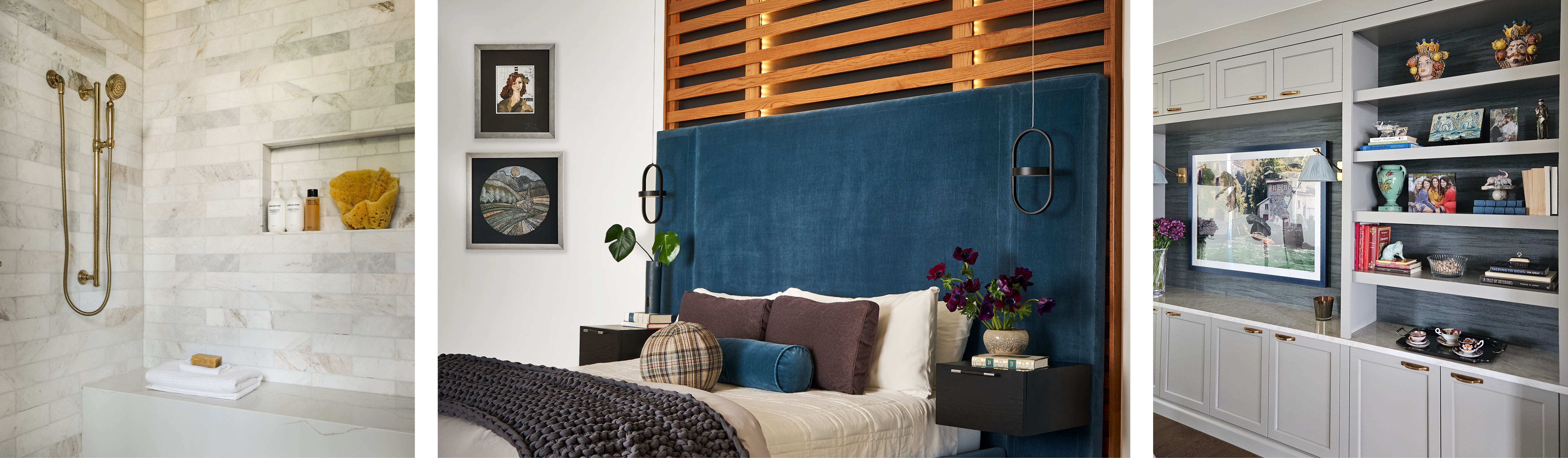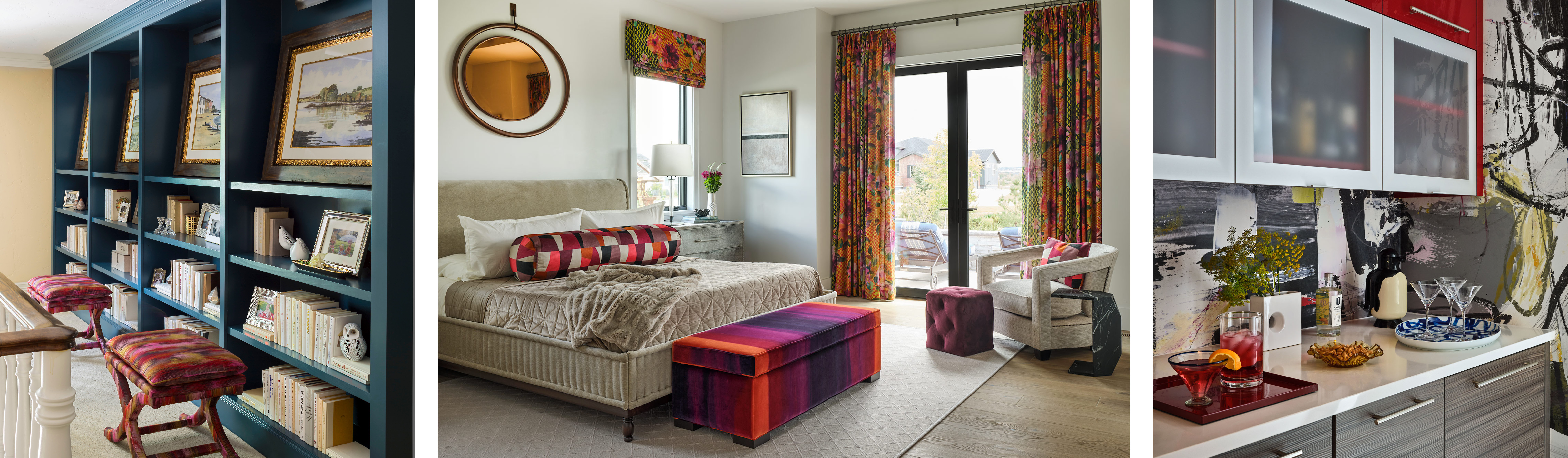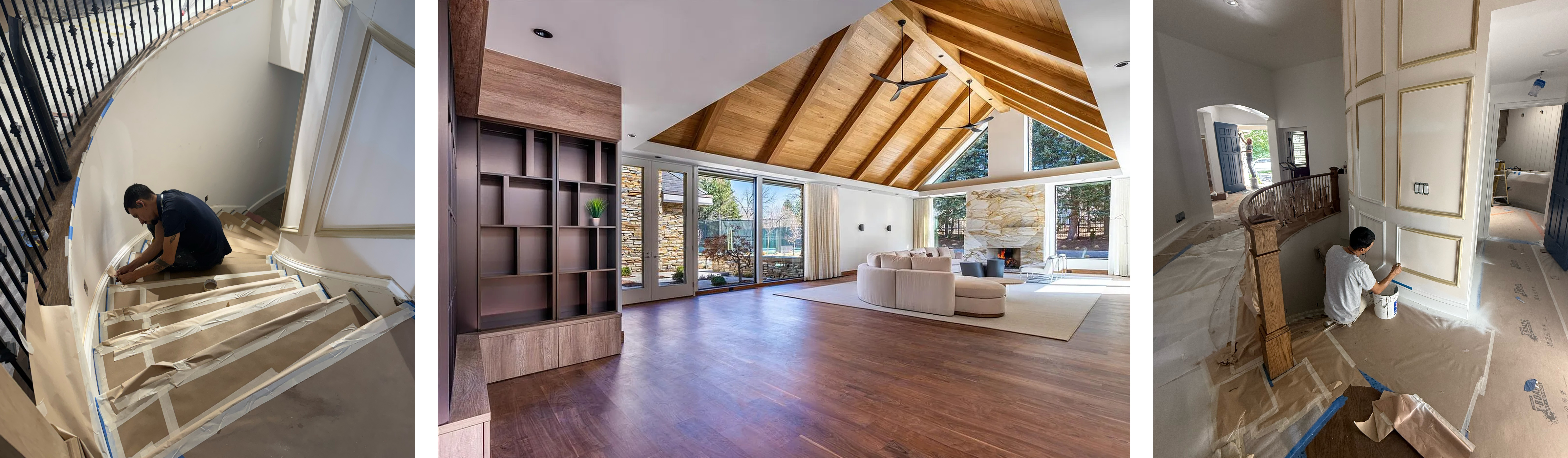
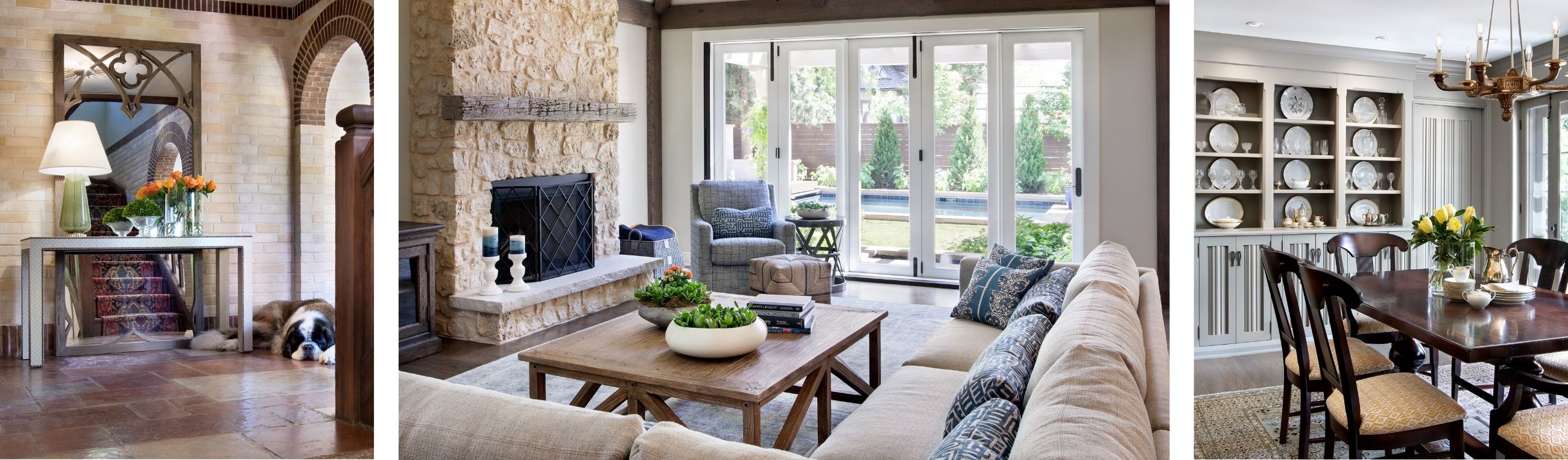
Designing a home that supports both today and the years ahead requires more than surface-level updates. It calls for clear thinking, careful planning, and a strong understanding of how people actually live. This is where home renovation design becomes essential.
More homeowners are choosing to plan for multigenerational living. Families are staying connected. Parents are aging in place. Adult children may return home at different stages of life. These shifts are changing how homes need to function.
A future-ready home is not just beautiful. It works over time. It adapts. It supports privacy, connection, and long-term comfort. With the right home renovation design, a home can meet these needs without feeling crowded or complicated.
At The Duet Group, this level of thinking is built into the process. Their approach combines interior design and construction into one clear system, focused on precision, collaboration, and long-term value.
Why Legacy Thinking Matters in Home Renovation Design
Many homes are designed for the present moment. They reflect current tastes and routines. But life changes. Families grow. Needs shift. Priorities evolve.
When a home is not designed for these changes, it can quickly feel limiting. A strong home renovation design plan looks ahead.
It considers:
- How the home will be used in the future
- How different generations will share the space
- How privacy and connection can both exist
- How materials and layouts will hold up over time
This kind of planning creates a home that feels calm and easy to live in, even as life changes.
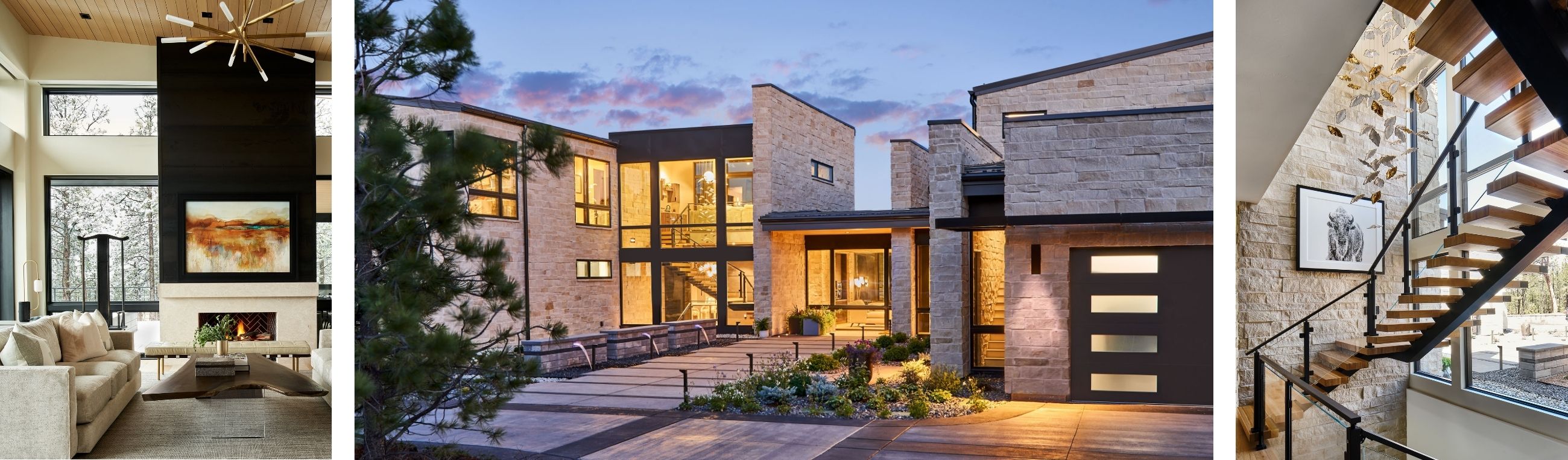
The Role of Home Renovation and Design in Multigenerational Living
Structuring Home Renovation and Design for Flexibility
Flexibility is one of the most important parts of multigenerational living. But flexibility does not mean open or undefined space. It means spaces that can change with purpose.
In home renovation and design, this often includes:
- Private suites for parents or adult children
- Rooms that can shift between office, guest, or living space
- Separate entrances when needed
- Layouts that allow movement without crowding
The goal is to create a home that can adjust over time without needing major changes.
Balancing Independence and Connection
One of the biggest challenges in multigenerational homes is balance. Each person needs space, but the home should still feel connected.
A thoughtful home renovation design supports this balance through:
- Sound separation between private areas
- Bathrooms and storage for each living zone
- Shared spaces that feel open and welcoming
- A consistent design style throughout the home
This allows the home to feel unified, while still giving each person a sense of independence.
Core Principles of Future-Ready Home Renovation Design
Creating a home that can support your life now and later takes more than good taste. It takes careful planning. A future-ready home should feel comfortable, functional, and beautiful today while also being able to support changing needs over time. That is where strong home renovation design becomes so important.
When people think about renovating, they often focus on finishes first. They think about paint colors, countertops, flooring, or furniture. Those choices matter, but they are only one part of the picture. The real foundation of a successful renovation is how the home works. Can people move through it easily? Does it give family members privacy when they need it? Will it still feel supportive and practical years from now?
A thoughtful home renovation design plan looks beyond the present moment. It considers how a household may change. A home may eventually need to support aging parents, adult children, guests, caregivers, or simply a different pace of living. When these needs are considered early, the home becomes more flexible, more useful, and more valuable over time.
Below are four of the most important principles that shape a future-ready home.
1. Clear Movement and Flow in Home Renovation Design
How people move through a home affects daily comfort more than many homeowners expect. It is one of the most important parts of home renovation design, especially in a home that may need to support multiple generations or changing physical needs.
A home with strong flow feels easy to live in. You do not have to think too hard about how to get from one room to another. Spaces feel connected in a natural way. The layout makes sense. When flow is poor, a home can feel frustrating even if it looks beautiful.
Clear movement and flow often include:
- Wider hallways for easier walking and passing
- Open sightlines that make rooms feel connected and easier to navigate
- Smooth transitions between spaces
- Fewer steps, abrupt level changes, or tight turns
- Entryways that do not feel crowded
- Furniture layouts that leave enough room to move comfortably
These design choices matter for everyone, not just older adults. Parents carrying children, guests with luggage, someone recovering from surgery, or anyone using a mobility aid will all benefit from better movement throughout the home.
For example, a narrow hallway may not seem like a major issue during a quick walk-through. But over time, it can become a daily inconvenience. If two people are moving through the same area at once, the space can feel tight and stressful. In a home designed for long-term living, movement should feel calm and effortless.
Flow also affects safety. Open sightlines can make it easier to monitor activity in the home, which can be especially helpful for families with young children or aging parents. Smooth flooring transitions reduce tripping risks. Better circulation can also help a home feel more peaceful because people are not constantly crossing through each other’s spaces.
Common questions
How wide should hallways be in a future-ready home?
It depends on the home, but wider hallways are usually more comfortable and more adaptable than narrow ones. If space allows, extra width can make a meaningful difference in both comfort and accessibility.
Why do open sightlines matter?
Open sightlines make a home easier to understand and navigate. They also allow more natural light to travel through the home and can help shared spaces feel more connected.
Do I need a completely open floor plan?
No. A home does not need to be fully open to have good flow. In fact, many well-designed homes balance openness with clear boundaries. The goal is not to remove every wall. The goal is to make movement feel natural and intuitive.
A strong home renovation design plan studies how people move through the house every day, not just how the home looks in photos. That is often what separates a renovation that feels impressive from one that truly improves quality of life.
2. Smart Zoning in Home Renovation Design
Zoning is one of the most valuable tools in home renovation design because it helps organize how the home functions. In simple terms, zoning means assigning different areas of the home to different purposes.
A future-ready home needs more than enough square footage. It needs the right structure. Without clear zoning, even a large home can feel chaotic. With good zoning, a home feels calm, balanced, and intentional.
A well-zoned home often includes:
- Private zones for bedrooms and quiet retreat
- Shared zones for living, dining, and gathering
- Transition spaces that connect public and private areas
- Work zones for home offices or study spaces
- Service zones for laundry, storage, and household tasks
This matters even more in homes designed for multigenerational living. Different generations often need different levels of privacy, noise control, and independence. A good zoning plan helps each person feel comfortable without making the home feel disconnected.
For example, a first-floor guest suite may also function as a future in-law suite. A bonus room near the main living area may become a homework zone, a media room, or a second lounge. A hallway, vestibule, or small sitting area can act as a soft buffer between a busy public space and a quiet bedroom wing.
Smart zoning also helps with emotional comfort. People tend to feel better when the home supports the way they actually live. Shared spaces should invite togetherness, while private spaces should offer rest and privacy. When those uses blur too much, the home can feel stressful.
Common questions
What is the difference between an open layout and zoning?
An open layout refers to fewer walls between spaces. Zoning refers to how spaces are organized by purpose. A home can be open and still have strong zoning if each area is clearly defined.
How can zoning help in a multigenerational home?
It gives each person or group a sense of place. Older parents may want a quieter area away from the busiest parts of the home. Adult children may need more independence. Good zoning helps everyone live together with less friction.
Can a smaller home still use zoning well?
Yes. Zoning is not only for large homes. Even in a modest footprint, careful placement of rooms, furniture, lighting, and storage can create strong separation between different functions.
Should private spaces be far from shared spaces?
Not always. The best approach depends on the household. The goal is to create enough distance for comfort while still allowing easy connection.
In home renovation design, zoning is often what makes a home feel thoughtful rather than random. It gives structure to daily life and helps the home support both individual routines and family relationships.
3. Aging-in-Place Features in Home Renovation Design
One of the smartest things a homeowner can do is prepare for the future before there is an urgent need. Aging-in-place features are an important part of home renovation design because they help a home remain usable, safe, and comfortable over time.
Aging in place means being able to continue living in your home as you get older, rather than having to move because the space no longer supports your needs. This does not mean a home needs to look medical or institutional. In fact, the best designs make these features feel seamless and refined.
Common aging-in-place features include:
- Walk-in showers with no step or curb
- Reinforced bathroom walls for future grab bars
- Wider doorways
- Lever handles instead of round knobs
- Better lighting to reduce shadows and glare
- Main-level living options
- Easy-to-reach storage
- Slip-resistant flooring
- Improved stair design or planning for a future lift if needed
These features support older adults, but they also benefit many other people. A curbless shower is easier for almost anyone to use. Better lighting helps all ages. Lever handles are more practical when your hands are full. Wider openings improve comfort and make furniture moves easier too.
The main value of planning for these features early is that it is often easier and less expensive to include them during a renovation than to add them later. For example, reinforcing walls during construction is simple compared to opening finished walls years later. Planning for first-floor living now can prevent major changes in the future.
Common questions
Do aging-in-place features make a home look clinical?
No, not when they are done well. Today’s best home renovation design strategies integrate these features into the overall design so they feel elegant, subtle, and fully residential.
What rooms matter most for aging-in-place planning?
Bathrooms are usually the first priority because slips and falls are common there. Entry points, kitchens, hallways, and bedrooms are also important.
Do I need all these features now if I am still active?
Not necessarily. Some features can be built in now, while others can be prepared for later. The smartest approach is often phased planning.
What is one of the most valuable aging-in-place updates?
A main-floor bedroom and full bathroom can make a major difference. It gives the home long-term flexibility if stairs become harder to manage later.
Does aging-in-place only apply to older homeowners?
No. It is a smart planning approach for any homeowner who wants a home that will remain functional through life changes, injury recovery, or changing family needs.
A future-ready home should support dignity, comfort, and independence. That is why aging-in-place planning is such an important part of long-term home renovation design.
4. Durable and Timeless Materials in Home Renovation Design
Materials play a major role in how well a renovation holds up over time. In home renovation design, the best materials are not always the newest or most dramatic. They are the ones that continue to perform, look good, and make sense for the way the home is used.
A future-ready home should be built with materials that:
- Stand up to regular wear
- Are easy to clean and maintain
- Age gracefully
- Work well with the overall architecture of the home
- Feel consistent from room to room
- Support both beauty and function
This is especially important in homes where multiple generations may be using the space every day. High traffic, frequent guests, children, pets, and changing needs all place more demands on surfaces and finishes.
For example, flooring should not only look attractive. It should also hold up to daily movement and be safe underfoot. Countertops should not only fit the visual style of the home. They should also perform well with regular use. Cabinet finishes should be chosen with longevity in mind, not just short-term appeal.
Timeless materials also help reduce the need for constant updates. Trend-driven selections can feel dated quickly, while more thoughtful material choices often remain attractive for many years. This does not mean a home should feel plain or boring. It means the foundation should feel strong enough to outlast changing trends.
Common questions
What makes a material timeless?
A timeless material tends to have lasting visual appeal, strong performance, and a natural fit with the home’s architecture. It does not rely on short-lived trends to feel relevant.
Should every finish be extremely durable?
Not every finish needs the same level of performance. The right choice depends on the room, how it is used, and who uses it. High-traffic areas usually need the most durable materials.
Can timeless materials still feel personal?
Yes. Timeless does not mean generic. A good home renovation design plan balances lasting appeal with the client’s lifestyle, taste, and goals.
Why is consistency important across the home?
Consistency helps the home feel cohesive and calm. Too many unrelated materials can make a home feel visually busy and less considered.
How do materials affect maintenance?
Some materials require frequent sealing, special cleaning products, or more careful use. Others are easier to maintain. Long-term upkeep should always be part of the decision.
Durable and timeless materials protect the investment of the renovation. More importantly, they support a home that continues to feel refined and livable over time.
Designing for Real Life
A multigenerational home is not just about space. It is about how people feel within that space.
A strong home renovation design considers:
- Quiet areas for rest and focus
- Shared spaces for connection
- Layouts that reduce stress and noise
- Design choices that support daily routines
When these elements are in place, the home supports relationships instead of creating tension.
The Value of a Clear Process
The success of a renovation often depends on the process behind it.
A structured process helps:
- Keep design and construction aligned
- Reduce delays and confusion
- Keep budgets clear
- Improve communication between everyone involved
The Duet Group uses a design-build approach that connects every stage of the project. This creates a more efficient and thoughtful experience from start to finish.
Planning for the Future
A future-ready home should be able to adapt without major disruption.
In home renovation design, this means planning for:
- Changing family structures
- Health or mobility needs
- Additional living spaces
- Long-term comfort and usability
Planning ahead makes future changes easier and more cost-effective.
Technology That Supports the Home
Technology can improve how a home functions, but it should be used carefully.
In home renovation design, technology should:
- Be easy to use for all ages
- Support comfort and safety
- Blend into the design
- Avoid unnecessary complexity
Examples include smart lighting, climate control, and security systems.
Long-Term Value of Multigenerational Design
A well-designed home offers more than comfort. It provides long-term value.
Benefits include:
- Fewer future renovations
- Better use of space
- Increased property value
- Flexibility for future buyers
A strong home renovation design protects both lifestyle and investment.
Frequent Questions About Multigenerational Home Renovation Design
What is the most important factor in multigenerational design?
Clear planning is key. Understanding how each person will use the space leads to better decisions.
How can a home provide privacy for everyone?
Through layout, sound control, and dedicated spaces for each household.
Can a home be updated later if needed?
Yes, but planning during the initial home renovation design process is more efficient.
Does multigenerational living require a larger home?
Not always. Smart layouts can support multiple generations within the same footprint.
How do you keep the home feeling connected?
By using consistent materials, lighting, and design choices across all spaces.
What should be included in a private suite?
A bedroom, bathroom, storage, and sometimes a small living area.
Is it better to renovate or build new?
Both can work. It depends on the home and long-term goals.
How do you plan for aging parents?
By adding features that support mobility while maintaining a refined design.
What about space for caregivers?
Caregiver spaces should feel comfortable, private, and connected to the home.
When should planning begin?
As early as possible. Early planning leads to better results.
A Thoughtful Approach to Home Renovation Design
A well-planned home does more than meet current needs. It supports the future.
With the right home renovation design, a home can adapt to life changes, support multiple generations, and maintain a sense of calm and order. It becomes a place that works over time, not just for today.
For homeowners who value quality, structure, and long-term thinking, this approach creates lasting impact.
If you are planning a project focused on home renovation design, we invite you to connect with our team. Our process is built to guide you with clarity, precision, and a shared commitment to creating a home that will serve you for years to come.