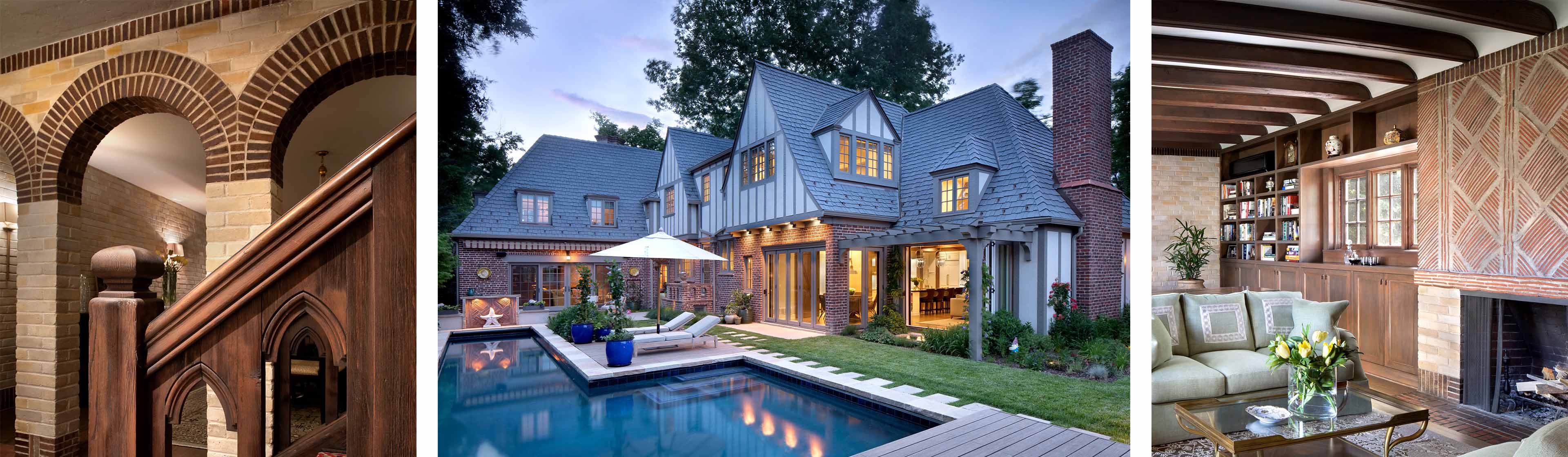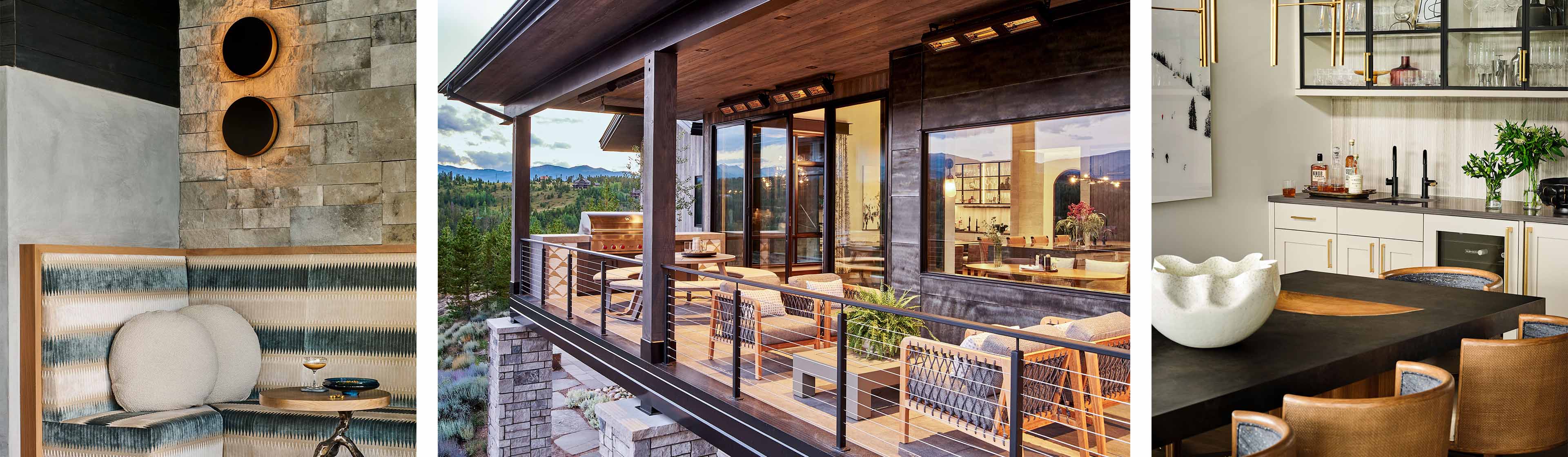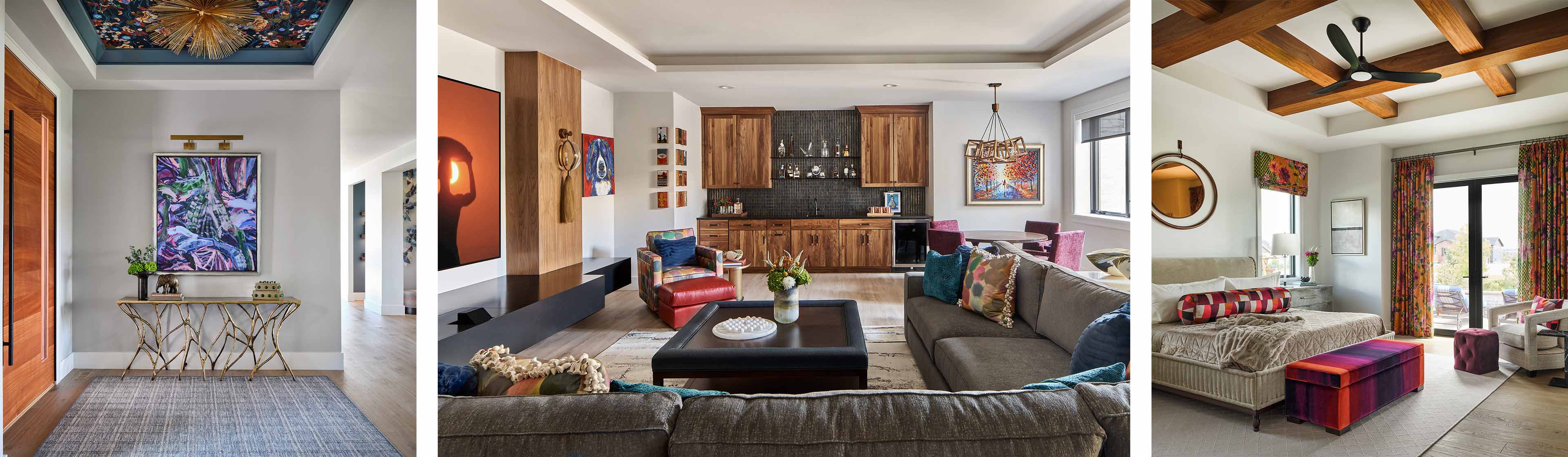
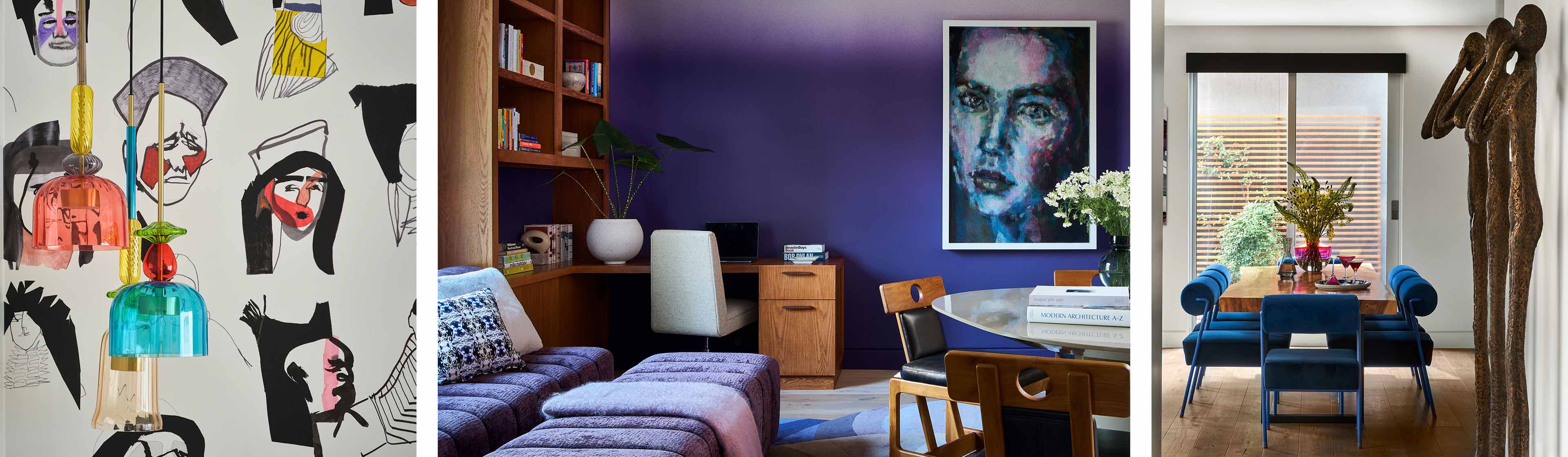
Heirlooms hold more than age. They hold memory, identity, and craftsmanship you can feel when you touch the surface. In personalized interior design, heirlooms are not “extras” you place after the home is finished. They are decision-makers. When you treat them that way, you end up with a modern home that still feels rooted, and a space that looks intentional instead of staged.
A lot of homeowners are already moving in this direction. Houzz’s annual U.S. Houzz & Home Study surveys tens of thousands of homeowners and consistently shows that renovating and investing in the home is mainstream, not niche, with meaningful spending behind it. In the 2023 report, the study surveyed 46,118 users (including 24,667 renovating U.S. homeowners), and it points to sustained renovation activity and significant median project spend. Those numbers matter because heirlooms show up most often when people are making “big decisions” homes, not quick refreshes, especially during the custom home building process.
This article breaks down how to integrate heirlooms into a modern home with clarity and restraint, including when you are planning custom luxury interiors for new builds. You’ll also get practical filters, placement strategies, and the questions we recommend asking before a single wall color is selected.
Start With a Better Definition of “Heirloom” in Personalized Interior Design
In personalized interior design, an heirloom is not automatically an antique, and it is not automatically “formal.” It is any object with meaning that you intend to carry forward. That can include a dining table, yes, but it can also be a set of crystal glasses, a painting, a Persian rug, a ceramic collection, or a piece of jewelry that becomes art in the home. Many of these pieces help shape early interior design concepts.
A helpful way to think about heirlooms is to sort them into three categories, because each one needs a different design approach.
Category 1: Functional heirlooms
These are pieces you use, like dining tables, case goods, lamps, or seating. They must meet today’s comfort and durability expectations, or they will create daily friction.
Category 2: Display heirlooms
These are pieces that carry meaning but don’t need constant use, like art, objects, and collections. Their success depends on lighting, scale, and where they sit in your visual field.
Category 3: Legacy materials
These are items that can influence the home’s “backbone,” like stone, wood, architectural salvage, or even a historic set of doors. These items are powerful, but they require early planning and often thoughtful pre-construction planning.
This classification is where personalized interior design starts to differ from decorating. Decorating is often about what looks good together. Personalized interior design is about what belongs, where it belongs, and why.
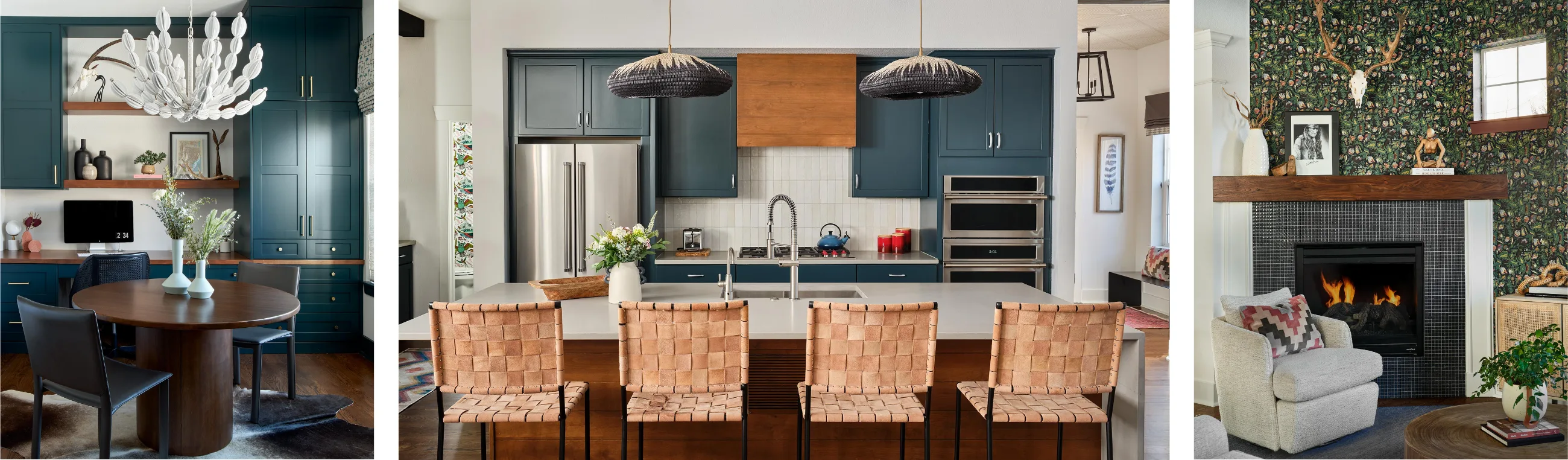
The Real Risk: Turning Heirlooms Into “Museum Pieces”
A modern home can accidentally flatten an heirloom if the piece is treated like a fragile artifact. This is especially common with “special occasion” items. A 2025 survey commissioned by SMEG USA and conducted by Talker Research found that nearly 60% of homeowners have never used their special occasion items, and many cited fear of damage as the reason.
That data is not just a lifestyle stat. It reveals a design problem. If an heirloom is so precious that it cannot be used, the home begins to split into “real life” and “display life.” For most of our clients, that is not the goal. The goal is a home that supports life, hosting, and legacy at the same time, which is why understanding what full-service interior designers do.
A strong personalized interior design plan makes room for heirlooms to live, not just sit.
A Clear Filter for Deciding Which Heirlooms Belong in the New Home
Most advice online stops at “mix old and new.” That is not enough. The pieces that succeed in modern homes pass a few specific tests. Here is a filter we use in early planning.
The Story Test
Can you explain why this piece matters in one sentence that feels true? If you can’t, you may be keeping it out of guilt, not meaning. That does not mean you discard it, it means you rethink how it is honored.
The Scale Test
Does the piece fit the way you live now? Many heirloom dining tables were made for formal rooms. If your new build prioritizes open circulation and flexible entertaining, you may need a different placement, or a different table, while still keeping the story elsewhere.
The Craft Test
Is the piece actually well-made, or is it simply old? In personalized interior design, we respect age, but we also respect performance. Joinery, wood stability, veneer condition, and repair history all matter.
The Comfort Test
Seating heirlooms are the most common “regret” item. Chairs that look beautiful but sit poorly will get pushed to the perimeter of the room and eventually disappear from use. Sometimes the right move is to reupholster and rebuild. Sometimes the right move is to reframe the piece as an accent.
The Risk Test
Are you willing to live with natural wear? If the answer is no, then either the piece needs protection (placement, finishes, glass tops, conservation steps), or it needs a different role in the home.
This is what helps personalized interior design feel confident. You are not randomly mixing eras. You are curating with intention.
Personalized Interior Design: How to Make Heirlooms Feel Modern Without Erasing Their Character
The goal is not to “modernize” an heirloom until it loses its identity. The goal is to place it inside a modern context that gives it breathing room.
Use Negative Space on Purpose
Heirlooms often have detail, patina, and visual texture. If you crowd them with busy surroundings, they feel heavy. If you give them clean lines, simpler forms, and space around them, they read as sculptural.
Choose One Clear Point of Contrast
A single contrast is stronger than five. For example, a traditional piece can sit comfortably against plaster walls and quiet millwork if the lighting and hardware are controlled. A modern room can also be warmed up by an heirloom rug that brings color and softness.
Repeat One Detail, Not the Whole Era
Instead of matching styles, repeat one detail. Pull a brass tone from an heirloom frame into modern cabinet hardware. Echo the curve of a vintage chair in a contemporary pendant. This keeps cohesion without looking themed. You are curating with intention, which is essential to achieving timeless interior design.
This is the heart of personalized interior design. The home feels one-of-one because it is built from your actual materials, not from a lookbook.
Custom Luxury Interiors for New Builds: Treat Heirlooms as Early Inputs, Not Late Add-Ons
When we design custom luxury interiors for new builds, heirlooms should be discussed at the start, alongside architecture, not at the end when furniture is being purchased. New builds give you something renovations often cannot: the ability to design the container around the contents.
Architectural planning that protects heirlooms
If you plan to use a large inherited armoire, stair widths, door clearances, and turning radiuses need to support it. If you plan to hang oversized inherited art, you need wall space, proper backing, and lighting infrastructure. If you plan to display heirloom glass, you may need UV-aware lighting and dust-controlled storage.
Lighting is not optional
Many heirlooms are sensitive to UV and heat. The wrong light can fade textiles, paper, and finishes. A lighting plan that considers beam angle, color temperature, and placement is part of protecting legacy. Thoughtful lighting also changes how old materials read in a modern space.
Humidity and temperature matter more than most people think
Wood moves. Veneers lift. Paper warps. If your heirlooms include antiques, musical instruments, or works on paper, HVAC planning, zoning, and humidity control become part of interior design strategy. This is a key area where personalized interior design can be more intelligent than generic advice, because it respects what you already own.
In other words, custom luxury interiors for new builds are not just about selecting beautiful finishes. They are about building a home that can hold what matters to you, safely and beautifully.
The Emotional Side: Familiar Objects, Stress, and Why “Home” Should Feel Like You
There is also a human reason heirlooms work. Research on housing and well-being often points to the home environment as a strong influence on stress and restoration. A 2021 peer-reviewed review in the journal Frontiers in Psychology discusses how living spaces can affect psychological well-being and stress reduction, including restorative effects tied to the home environment and design interventions.
Heirlooms can contribute to that feeling of restoration because they are familiar. They signal continuity. They make a new home feel like it belongs to you faster.
This is why personalized interior design does not treat sentimental items as irrational. It treats them as meaningful inputs that shape how a home supports the people inside it.
The “Inheritance Trap” and How to Avoid Designing From Guilt
There is a difference between honoring legacy and storing obligation. The design world has started speaking more openly about this. For example, a recent House Beautiful feature discussed the pressure people feel to keep unwanted family items and the freedom that comes from choosing what truly fits.
Here is a more useful way to think about it in personalized interior design: you can honor a person without keeping every object. Sometimes the best legacy move is to select a few pieces that represent the story well, then design around those pieces with care.
If an item does not fit your life or your home, you still have options that respect meaning:
You can photograph it professionally and keep a record. You can gift it intentionally to someone who will use it. You can repurpose part of it, like turning a textile into a framed piece. You can donate it to a place where it will be valued.
What matters is the intention, not the volume.
Practical Placement Strategies That Most People Miss
This is where we can add real value, because placement is not just “put it in the living room.”
Place heirlooms where the ritual already exists
If you have heirloom china or glassware, consider whether your current routines support using it. If you entertain often, design a butler’s pantry or bar area that makes these items easy to access, clean, and store. That is how heirlooms become part of real life instead of “special life.”
Put fragile heirlooms in “low-risk” zones
A hand-knotted rug may not belong in a high-traffic mudroom. A valuable piece of paper art may not belong in direct sun. This sounds obvious, yet it is where many homeowners lose heirloom quality over time.
Use heirlooms to anchor sightlines
In a new build, sightlines are a tool. A meaningful piece at the end of a hallway, or directly across from an entry, gives the home an immediate sense of identity. This is a strong personalized interior design move because it makes the story legible the moment someone walks in.
Build custom storage for heirlooms you want to use
If you want to use special items more often, storage has to support it. Custom cabinetry with the right shelf heights, soft-close hardware, and protective liners can remove friction. The goal is not “display.” The goal is accessibility.
The Market Perspective: Why Heirlooms Align With Long-Term Value
Heirlooms are also part of a wider shift. The global collectibles market was estimated at USD 306.44 billion in 2024 and is projected to grow significantly through 2033, according to Grand View Research. While “collectibles” is broader than heirloom furnishings, the underlying pattern is relevant: people are placing value on objects with story, rarity, and identity.
In parallel, the art and antiques market remains a major category of global spending. The Art Basel and UBS art market reporting tracks global sales and market shifts across art and antiques.
For homeowners investing in custom luxury interiors for new builds, this matters for two reasons.
First, heirlooms can be high-quality assets that deserve proper lighting, placement, and care.
Second, designing around meaningful assets often leads to more timeless interiors, because the home is grounded in real pieces, not trend cycles.
Frequently Asked Questions About Personalized Interior Design
What does personalized interior design actually mean when you have heirlooms?
Personalized interior design means the design decisions start with you, including what you already own and what you want to carry forward. With heirlooms, that includes evaluating the item’s story, scale, condition, and function, then building the plan so the piece fits your daily life and your long-term goals.
How do we make heirlooms look right in a modern home without making the room feel “traditional”?
In personalized interior design, the most reliable method is contrast and restraint. Give detailed pieces quieter surroundings, control the lighting, and repeat one or two linking details (tone, metal finish, curve, or texture) so the room feels cohesive. You do not need to match eras, you need to align proportions.
When should we bring heirlooms into the planning process for custom luxury interiors for new builds?
Bring them in at the start. Custom luxury interiors for new builds work best when heirloom dimensions and display needs are included in early drawings, along with lighting and storage planning. This prevents last-minute compromises like forced placements, tight clearances, or walls that cannot support art properly.
Should we reupholster or refinish heirloom furniture, or keep it “as is”?
It depends on the role the piece will play. If the heirloom will be used daily, comfort and durability matter. Reupholstery, structural repair, and refinishing can protect the piece and support real use. If the heirloom is primarily visual, a lighter conservation approach may be better. In personalized interior design, the goal is not to erase age, it is to support function and longevity.
What if we have too many heirlooms and the home starts to feel cluttered?
That is a common issue, especially for legacy-focused families. The answer is editing with respect. Select a few pieces with the strongest story and best craftsmanship, then give them the space to matter. The rest can be archived, gifted, repurposed, or donated. This keeps personalized interior design clear and calm.
How do we protect heirlooms from sun damage and wear in everyday living?
Start with placement, then lighting, then materials. Keep sensitive items away from direct sun, use UV-aware lighting when needed, and choose protective options like museum glass for framed works on paper. For functional items, consider finishes and surfaces that can take real use. A home that supports heirlooms should also support living.
A More Thoughtful Way to Design With Heirlooms Through Personalized Interior Design
Heirlooms can become the soul of a modern home, but only when they are treated with intention. Personalized interior design gives you a framework: decide what matters most, test each piece for scale and function, and place it where it can be used and respected. When you are planning custom luxury interiors for new builds, heirlooms should shape the architecture, lighting, and storage from the beginning, so your new home feels grounded the day you move in.
If you want a structured, collaborative approach to weaving legacy pieces into a modern home, contact us for more information.