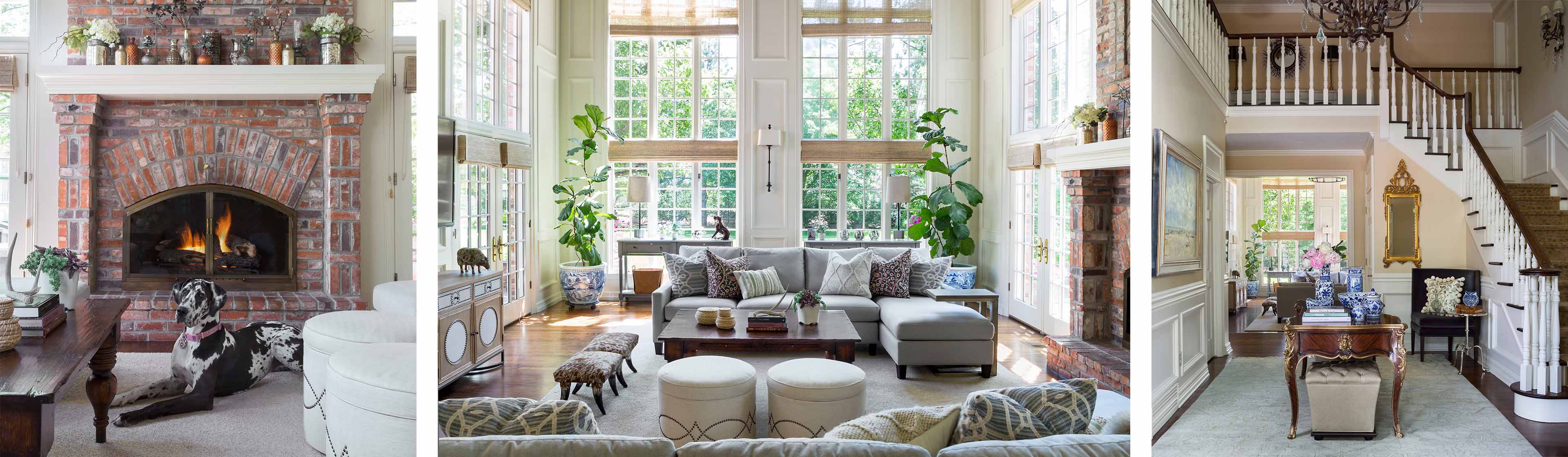
Designing a home that truly lasts isn’t just about how it looks: It’s about how it works for the people living in it, now and in the future. More homeowners today are thinking long-term, choosing multigenerational home design as a way to support their families while creating something meaningful that can be passed down.
At the same time, there’s a growing interest in keeping personal history alive inside the home. Through thoughtful heirloom interior design, families can incorporate meaningful pieces, like furniture, artwork, or décor, into a space that still feels current and well-designed.
When done right, these two ideas come together to create a home that feels connected, functional, and built to last.
Why More Families Are Choosing Multigenerational Living
Multigenerational living is becoming more common, but it is about much more than convenience. For many families, it is a thoughtful decision based on how they want to live, support one another, and plan for the future. Instead of seeing the home as a place built for only one stage of life, more people are viewing it as a long-term setting that can adapt over time.
There are several reasons this shift is happening. In some families, parents are moving in as they get older and need more day-to-day support. In others, adult children are living at home longer while finishing school, building a career, or saving for the future. Some families simply want to stay more connected and spend more meaningful time together. Others want to make a smart long-term investment by creating one well-designed home that can serve multiple generations, rather than maintaining separate households.
This is where multigenerational home design becomes so important. It is not just about adding extra square footage or squeezing more people into one house. It is about designing a home in a way that supports real life. Everyone should feel like they belong in the space. Everyone should feel comfortable. And just as importantly, everyone should feel respected.
A successful multigenerational home does two things at once. It creates opportunities for connection, while also protecting privacy and independence. That balance is what makes this kind of living arrangement work well over time.
Many families also find that multigenerational living offers benefits beyond logistics. It can create a stronger sense of family connection. Grandparents may be more involved in daily family life. Adult children may have more support during important transitions. Shared living can also make everyday routines feel more grounded, from cooking dinner together to helping care for children or aging family members. When the home is designed well, it supports those moments naturally instead of making them feel crowded or stressed.
Readers often ask whether multigenerational living means giving up personal space. The answer is no, not when the home is planned properly. Good design makes it possible for family members to live together without feeling like they are constantly on top of one another. That is why layout, flow, and room purpose matter so much.
Another common question is whether multigenerational living only works in very large homes. It does not. A large home can certainly help, but smart planning matters more than size alone. A smaller home with clear zones, flexible rooms, and thoughtful circulation can function better than a larger home that has not been designed with shared living in mind.
At its best, multigenerational home design supports both the practical and emotional side of family life. It makes room for care, comfort, and longevity. It allows a home to serve not just one generation, but several, in a way that feels intentional and sustainable.
Key Elements of Multigenerational Home Design
A well-designed multigenerational home does not happen by chance. It requires careful planning and a strong understanding of how each person in the home will live from day to day. Every family is different, so the design should respond to their specific routines, relationships, and long-term goals.
The most successful homes are those built around both present needs and future possibilities. That means thinking beyond the immediate moment and asking important questions. Who needs privacy? Who may need easier access later on? Which spaces will be shared most often? What parts of the home may need to serve a different purpose in five or ten years?
These are the kinds of decisions that shape effective multigenerational home design.
1. Private Spaces for Each Generation
Privacy is one of the most important parts of a successful multigenerational home. Even in a close family, everyone needs a place to step away, rest, and recharge. Without privacy, shared living can begin to feel overwhelming.
That is why private spaces should be considered early in the planning process. These spaces may include bedrooms with private bathrooms, separate sitting rooms, quiet lounges, or, in some cases, private entrances. The goal is to give each generation a sense of independence within the larger home.
For example, older parents may appreciate having a suite on the main floor where they can enjoy comfort and privacy without needing to use stairs. Adult children may benefit from a bedroom area with its own bathroom and nearby sitting space. Even younger family members benefit from having spaces that feel clearly theirs.
Private areas do more than create physical separation. They also support dignity and comfort. When each person has a place they can call their own, the home tends to function more smoothly for everyone.
A common question readers may have is: how much privacy is enough? There is no one-size-fits-all answer. For some families, a bedroom suite is enough. For others, a more independent setup with a private lounge or entrance makes more sense. The right answer depends on how the family lives, how long they expect to share the home, and how much independence each person wants.
In a strong multigenerational home design, privacy is never treated as optional. It is built into the layout from the start.
2. Flexible Rooms That Can Change Over Time
Families change over time, and homes should be able to change with them. This is one of the smartest principles in long-term residential planning. A room that works perfectly today may need to serve a different role in the future.
That is why flexible spaces are so valuable. A guest room might later become a bedroom for an aging parent. A home office might become a nursery, a study space, or a caregiver suite. A bonus room might serve as a media room now and a private lounge later on. When a home includes adaptable rooms, the family has more options without needing major renovations.
This kind of flexibility can save a great deal of time, money, and stress down the road. Instead of moving or rebuilding when needs change, the family can adjust how they use the space they already have.
Readers often wonder what makes a room truly flexible. In most cases, it comes down to size, access, and location. A flexible room should be easy to furnish in different ways. It should be close enough to a bathroom to function as a bedroom if needed. It should also have enough privacy to serve several purposes over time.
Storage matters here, too. Built-in storage, closets, and thoughtful organization make it easier for a room to shift from one use to another. Natural light also helps. A room with good light and comfortable proportions is more likely to feel useful in many different roles.
In multigenerational home design, flexibility is not just a bonus feature. It is part of what makes the home durable and practical for real family life.
3. Shared Spaces That Bring People Together
While privacy is essential, shared spaces are just as important. These are the parts of the home where family life happens every day. Meals are shared, conversations unfold, and routines overlap. In a multigenerational home, these areas need to feel inviting, functional, and easy for everyone to use.
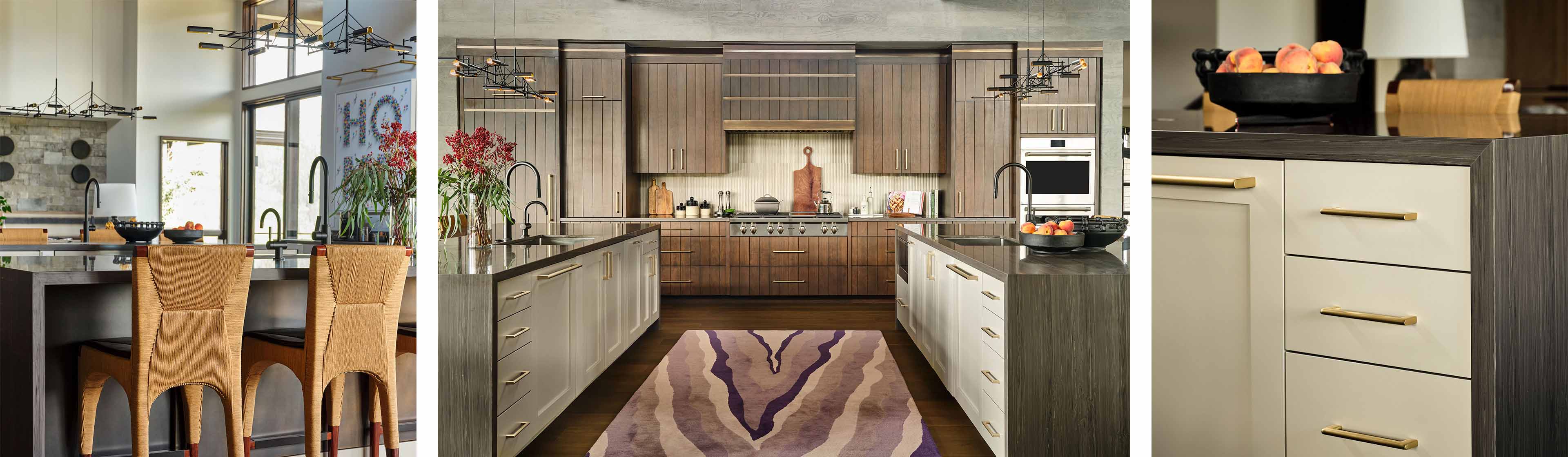
The kitchen is often the heart of the home, and in a shared living environment, it plays an even bigger role. It should be designed to handle more than one person at a time, with enough room for cooking, gathering, and moving comfortably. A large island, clear walkways, and well-planned storage can make a major difference in how the space feels and functions.
Dining areas matter just as much. Whether formal or casual, they should encourage family members to come together naturally. The living room or main family space should feel welcoming and comfortable across generations. Seating should be arranged in a way that supports conversation, not just television viewing or visual symmetry.
In some homes, a second kitchenette or beverage station can also be helpful. This can give one generation more independence, especially if they keep different schedules or want a separate place for simple meals and snacks. A secondary kitchen area can be especially useful in an in-law suite or lower-level living space.
One question families often have is how to make shared spaces feel comfortable for everyone, especially when different generations have different habits and preferences. The best approach is to focus on usability. Durable materials, generous seating, layered lighting, and a practical layout help create spaces that work for many people without feeling overly formal or rigid.
It also helps to think about how these spaces will be used at different times of day. Morning routines, afternoon quiet time, and evening gatherings all place different demands on the same rooms. Good multigenerational home design accounts for those rhythms so the home feels calm, not chaotic.
Shared spaces should encourage togetherness, but they should not force it. When they are designed well, family members can come together comfortably and naturally.
4. Accessibility That Feels Natural
A well-designed multigenerational home should support people of all ages and abilities. Accessibility is a major part of that. But the best accessible design does not feel obvious or medical. It feels seamless, comfortable, and fully integrated into the home.
This may include wider hallways and doorways, walk-in showers, main-floor bedrooms, and step-free entries. These choices make the home easier to navigate not only for older adults, but for children, guests, and anyone recovering from an injury or managing mobility challenges.
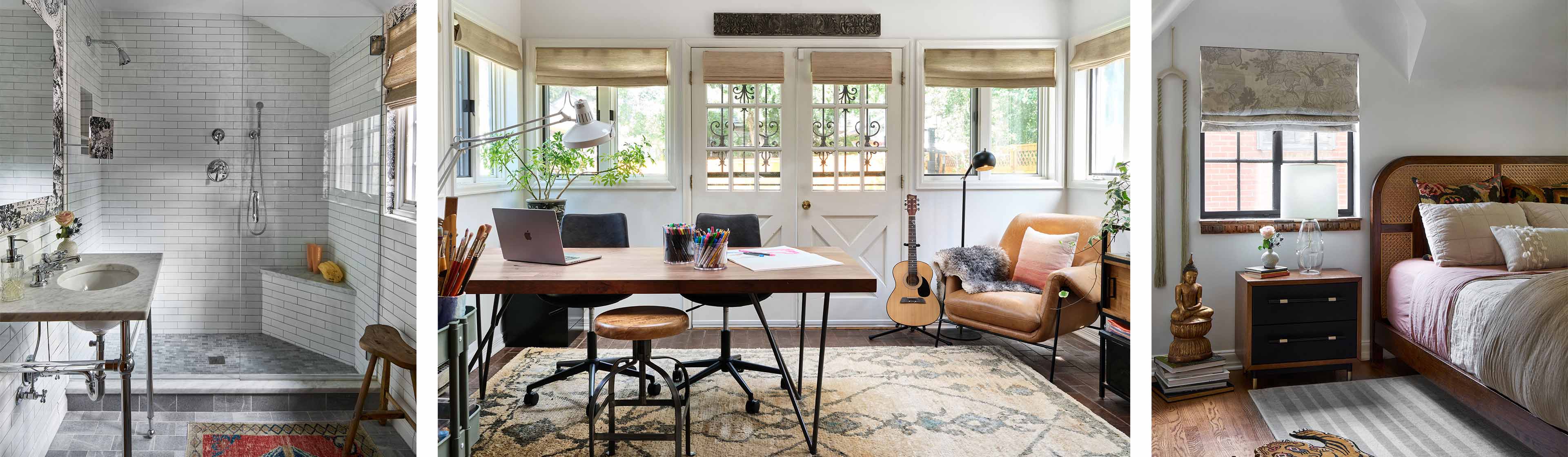
Main-level living is especially valuable in multigenerational home design. When a bedroom, bathroom, and essential living spaces are all available on the first floor, the home becomes more practical for a wider range of family members. Walk-in showers with low thresholds, good lighting, and stable flooring also improve comfort and safety while maintaining a refined look.
Another important detail is ease of movement. Door handles, cabinetry access, stair design, and bathroom layouts all affect how welcoming and functional the home feels. These are often small decisions, but together they make a meaningful difference.
A common concern is whether accessibility features will make a home look too clinical or too specialized. In reality, thoughtful design solves that problem. Wider doorways can feel elegant. A curbless shower can look beautifully modern. A step-free entry can feel clean and architecturally intentional. When handled well, accessibility improves the home without calling attention to itself.
Families also ask whether they should plan for accessibility even if they do not need it right now. In many cases, the answer is yes. Planning ahead is often easier and more cost-effective than making changes later. Even simple early decisions can help the home remain functional and comfortable for many years.
This is one of the clearest strengths of good multigenerational home design. It creates a home that is prepared for change without sacrificing beauty or character.
What Is Heirloom Interior Design?
Heirloom interior design is the practice of using meaningful, inherited, or long-held pieces in a way that feels intentional, functional, and beautiful within your home. These are not just “old things” or sentimental items stored in a closet. They are pieces with history: objects that connect your home to family stories, personal milestones, craftsmanship, and memory.
In many homes, heirlooms include:
- Furniture passed down through generations
- Artwork with family history
- Antique rugs or textiles
- Decorative objects with personal meaning
- Vintage lighting, mirrors, or cabinetry
- Handmade items with sentimental or cultural value
The goal of heirloom interior design is not to make a home look formal, old-fashioned, or overly traditional. It is about creating a home that feels layered and personal. When these pieces are used well, they add warmth, depth, and a sense of continuity that brand-new furnishings often cannot provide on their own.
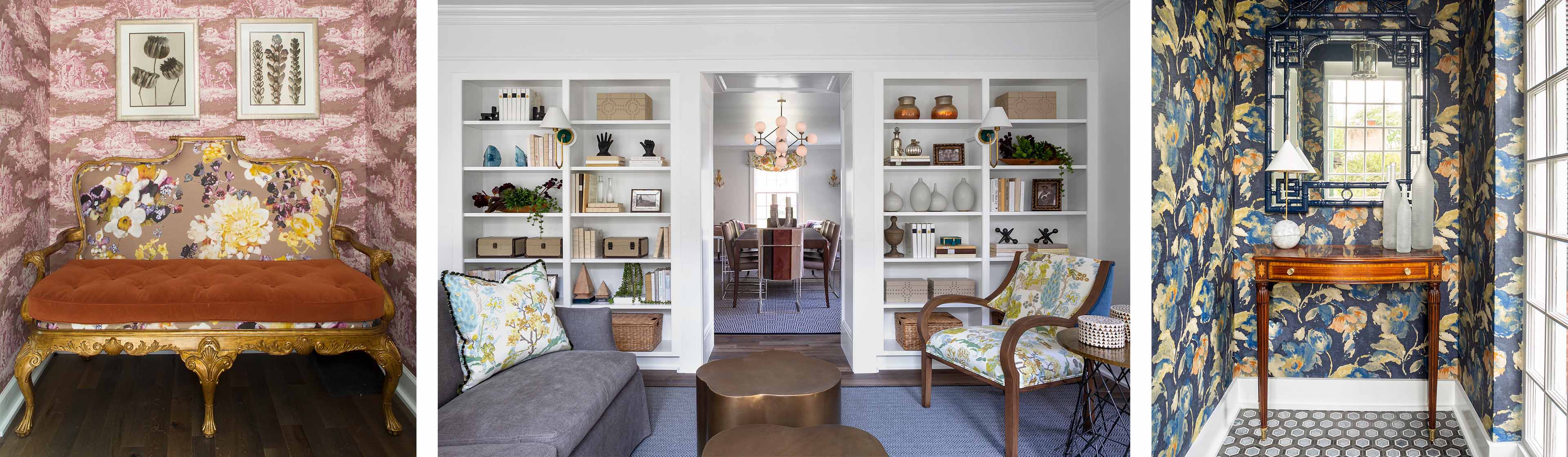
Instead of keeping meaningful pieces packed away, heirloom interior design brings them into daily life. A grandfather’s writing desk might become the centerpiece of a study. A dining table that has hosted family gatherings for years may continue that role in a newly designed home. A collection of framed family artwork may become part of a carefully planned gallery wall. These objects are not treated like museum pieces. They become part of how the home lives and functions.
This approach matters because many homeowners want more than a polished interior. They want a home that reflects who they are, where they come from, and what they want to carry forward. That is what makes heirloom interior design so meaningful. It helps create rooms that feel lived in, not staged. It brings identity into the design in a way that feels grounded and lasting.
Why Heirloom Pieces Matter in Interior Design
Heirloom pieces do something modern furnishings alone often cannot do: they tell a story. They bring character into a space and create a connection between generations. In a home designed for long-term living, these details matter.
Heirloom pieces can add:
- Emotional value
- A sense of legacy
- Visual contrast and richness
- Craftsmanship that may be hard to find today
- A more collected and timeless look
In many cases, older pieces also have strong construction, quality woodwork, hand-finished details, or materials that hold up beautifully over time. When paired with modern furnishings, they often stand out in the best possible way.
Is Heirloom Interior Design Only for Traditional Homes?
No. This is one of the biggest misunderstandings people have.
Heirloom interior design can work in many types of homes, including:
- Modern homes
- Transitional interiors
- Classic homes
- Minimalist spaces
- New custom builds
- Renovated historic properties
In fact, heirlooms often look especially striking in modern spaces because the contrast helps highlight their shape, texture, and story. A clean-lined room can make an antique chest, vintage lamp, or inherited portrait feel even more special.
What Counts as an Heirloom?
An heirloom does not need to be rare, expensive, or antique to matter. It simply needs to hold value for you or your family.
That might include:
- A chair handed down from a grandparent
- A sideboard from a childhood home
- Old books, ceramics, or serving pieces
- Quilts or textiles made by hand
- Family photographs in meaningful frames
- Pieces collected during travel or major life moments
The value of these items is not only financial. Their real value often comes from what they represent.
How to Blend Heirlooms Into a Modern Home
A common concern is whether heirlooms will feel out of place in a newer or more updated home. Many people worry that older pieces will make a space feel too heavy, mismatched, or dated. The good news is that heirlooms often bring exactly what modern homes need: character, texture, and a sense of history.
The key is not to fill the room with too many old pieces. The goal is to create balance.
When used thoughtfully, heirlooms can add depth and personality without taking over the design. They help a home feel collected over time instead of decorated all at once.
Keep the Overall Design Balanced
The easiest way to make heirlooms work in a modern home is to mix them with newer pieces. This balance keeps the space feeling fresh and intentional.
For example:
- Pair an antique wood table with modern dining chairs
- Place a vintage chest beneath contemporary artwork
- Use inherited ceramics on open shelving in a clean, updated kitchen
- Add an older rug to a room with simple furniture and crisp architectural lines
This contrast is often what makes the room feel interesting. If everything is new, a space can feel flat. If everything is old, it can feel overly formal or heavy. But when the two are mixed well, the result feels layered and timeless.
Let Key Pieces Stand Out
One of the most effective ways to use heirlooms is to give them room to breathe. You do not need to display every inherited item all at once. In fact, too many sentimental pieces in one space can make the room feel cluttered or visually confusing.
Instead, choose a few important pieces and let them stand out.
A strong focal piece might be:
- A family dining table
- A vintage armoire
- A framed artwork collection
- A handmade rug
- An inherited bench or console
When a meaningful piece is given proper space, lighting, and context, it feels more intentional. It also allows the story behind the piece to come forward more clearly.
Update When Needed
Not every heirloom should stay exactly as it is. Sometimes a thoughtful update helps a piece work better in your current home.
That might mean:
- Reupholstering a chair in a more current fabric
- Refinishing wood to better match the room
- Repairing damaged joinery or surfaces
- Updating hardware on a vintage cabinet
- Framing older artwork in a cleaner, more modern way
These changes do not erase the history of the piece. When done carefully, they help preserve it and make it usable again. Good heirloom interior design is not about forcing an item into the room exactly as it was found. It is about respecting the piece while allowing it to function in the present.
Focus on the Story
In heirloom interior design, the meaning behind a piece matters just as much as how it looks. This is what separates thoughtful integration from simple decoration.
Ask questions like:
- Why does this piece matter?
- Who did it belong to?
- How has it been used over time?
- Where will it be most appreciated in the home?
- How can it support daily life instead of being hidden away?
When you focus on the story, placement becomes more natural. A family writing desk may belong in a study where it can still be used. A serving piece passed down through generations may feel most at home in a dining room or butler’s pantry. A quilt may be better displayed in a guest room than stored in a drawer.
The story gives the piece purpose. That purpose helps the design feel authentic.
Why This Approach Matters in a Legacy Home
For homeowners who care about longevity, family connection, and thoughtful design, heirloom interior design is especially powerful. It supports the idea that a home should not only serve present needs, but also reflect the people and stories that shape it.
In a legacy-minded home, heirlooms do more than decorate a room. They help define it. They connect generations, preserve memory, and create an environment that feels deeply rooted rather than temporary.
When paired with thoughtful planning, heirloom pieces can help a home feel more lived in, more layered, and more meaningful from the very beginning.
Bringing It All Together: Function Meets Meaning
When you combine multigenerational home design with heirloom elements, the result is a home that feels both practical and personal.
FOR EXAMPLE:
- A dining table that’s been in the family for years becomes the center of daily life
- Artwork is placed in shared spaces where everyone can enjoy it
- Furniture moves with family members as needs change
These details help create a home that reflects both your lifestyle and your history.
Design Details That Make a Big Difference
Smart Layout and Flow
A good layout makes it easy to move through the home without feeling crowded. It also helps separate private and shared areas naturally.
Sound Control
With more people in one home, managing noise becomes important. Materials, layout, and insulation all play a role.
Outdoor Living Spaces
Patios, gardens, and outdoor seating areas give everyone extra room to relax and gather. These spaces often become a natural extension of the home.
Why the Design Process Matters
Homes designed for multiple generations and built around meaningful pieces require a clear and organized process.
Working with a team that handles both design and construction helps ensure:
- Every detail is planned from the beginning
- The design stays consistent throughout the project
- The final result matches your vision
This level of coordination is especially important in multigenerational home design, where every decision affects how the home functions long-term.
Building a Home That Lasts
A well-designed home should do more than meet your needs today: it should support your life for years to come.
By focusing on multigenerational home design and incorporating thoughtful heirloom interior design, you can create a space that feels grounded, flexible, and meaningful. It becomes a place where memories are made and carried forward.
If you’re thinking about designing or building a home with long-term value in mind, working with an experienced, collaborative team can make all the difference.
To learn more about creating a home designed for legacy, reach out to Duet Design and start the conversation.