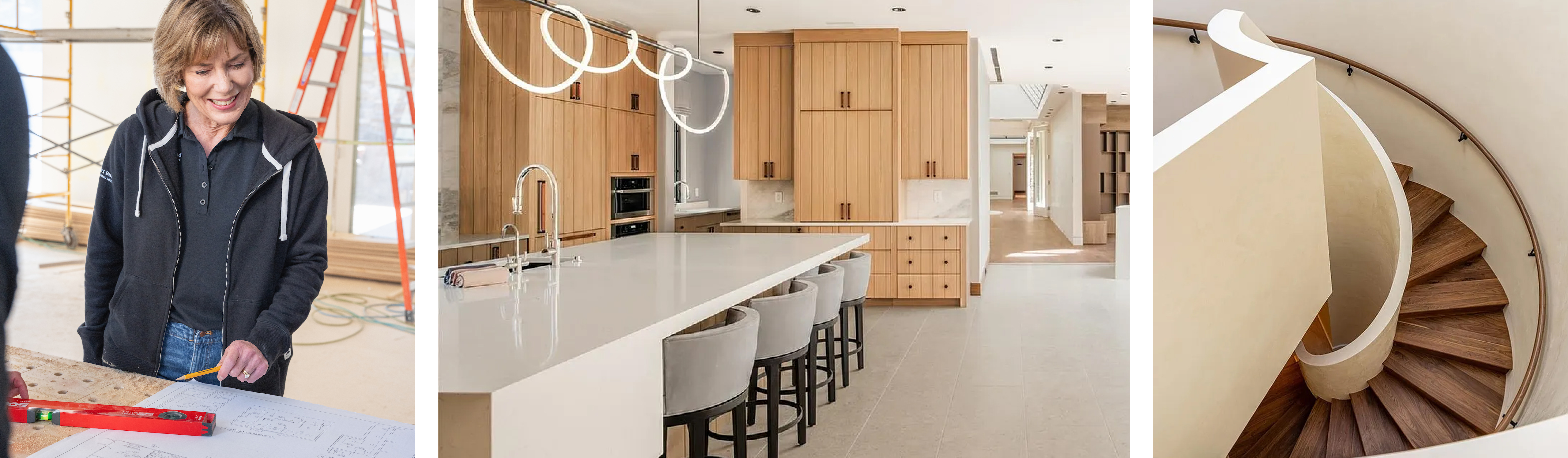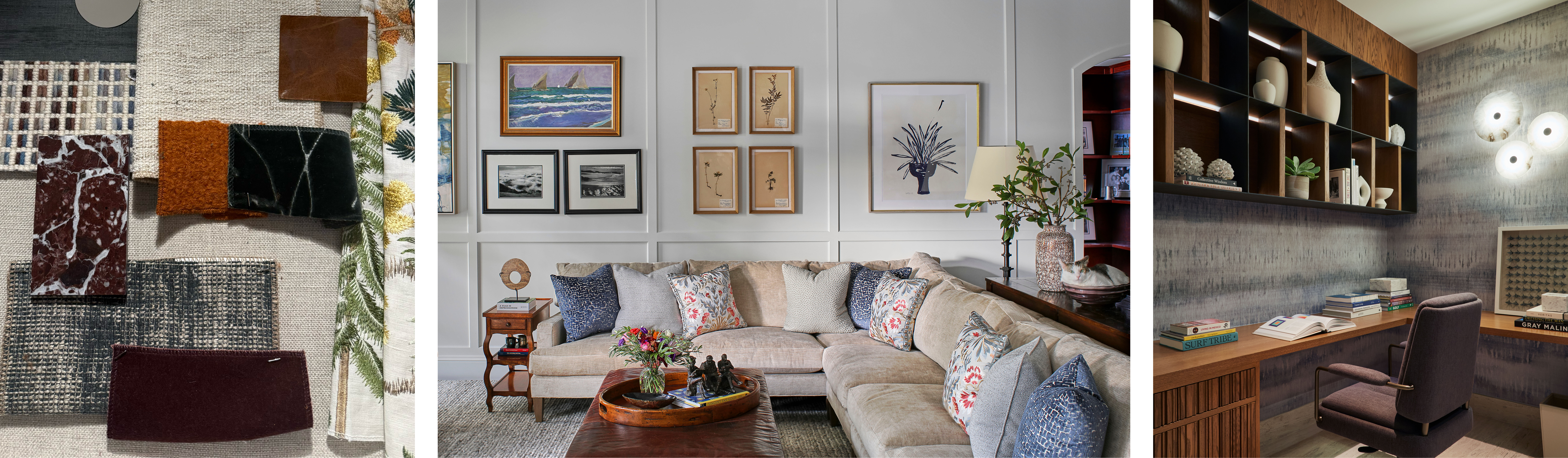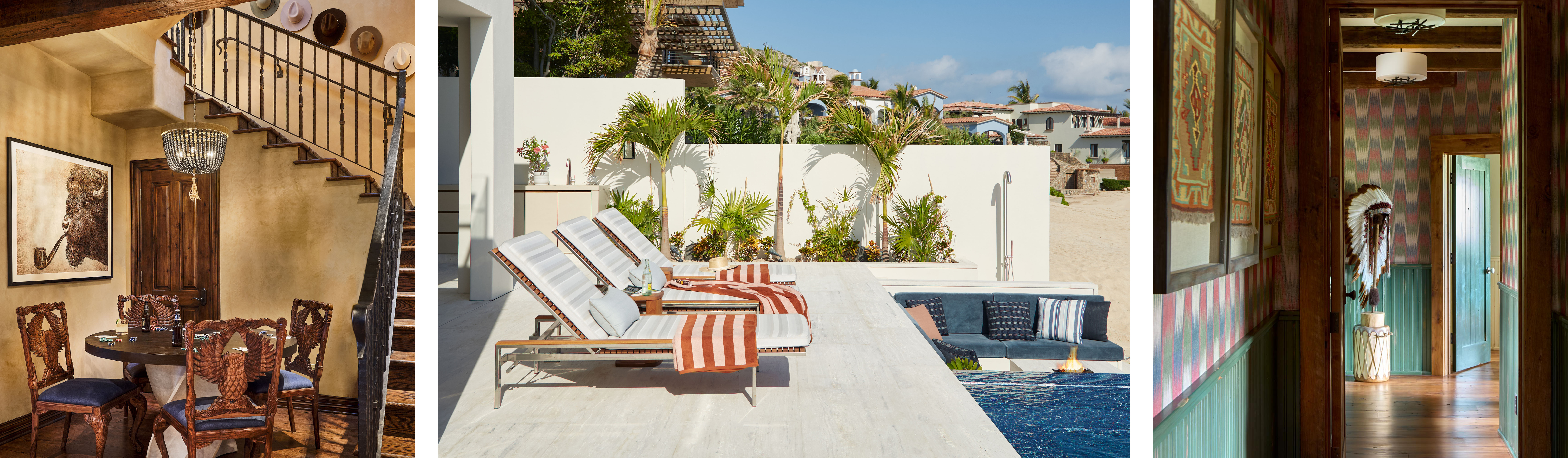
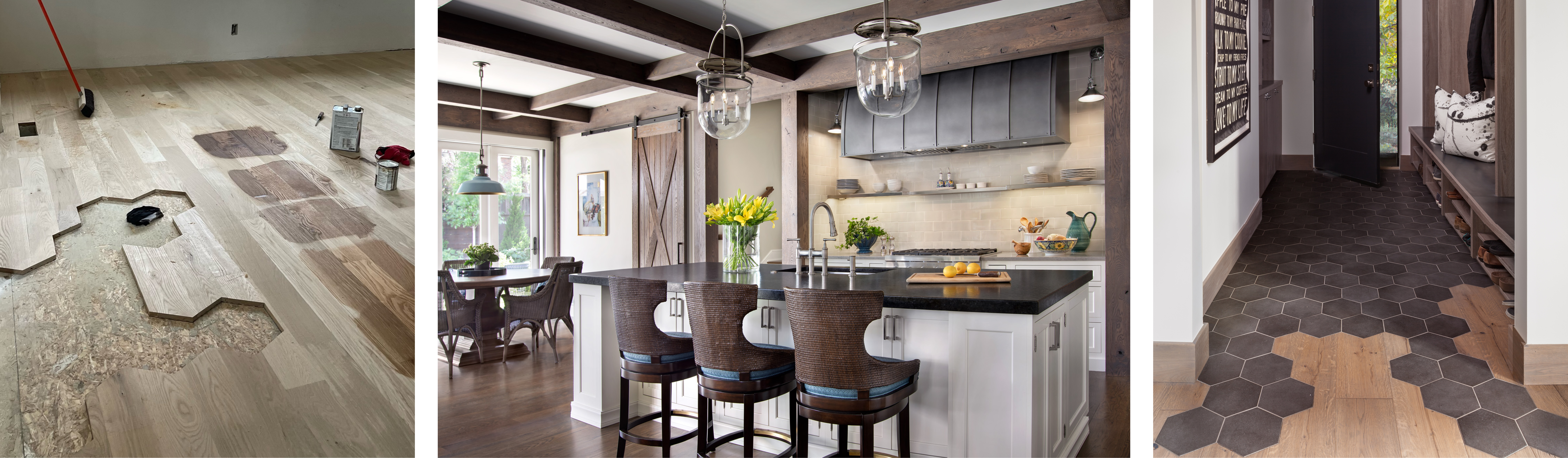
People assume builders take every project that comes through the door. Most do. I don’t.
A project that is wrong for the builder, the client, the site, or the timeline is going to be a hard eighteen months for everyone involved. I’ve watched enough builds go sideways to know that the problems showing up in month fourteen usually had their roots in the conversation before month one. So I’m deliberate about what I take on, and I’m honest with clients early when I think we’re not the right match.
Here is what I’m actually looking for when I’m evaluating a project.
It Starts Before the First Meeting
By the time a potential client sits down with me, I’ve already done some reading. I’ve looked at the site if there is one. I’ve thought about whether the scope makes sense for where Duet Build is in its project load. I’ve considered whether the client’s timeline aligns with what we can genuinely deliver.
When people ask how custom home builders choose clients, the answer is often framed as a credentials check on the builder’s part: do you have the capacity, do you have the experience. That’s part of it. But the more useful question, at least for me, is whether this particular project is one where I can actually do what I say I’m going to do. A project that is technically within our capability but not within our current bandwidth isn’t a project I should take. I’ve made that mistake before.
The Site Question
If land has already been purchased, the first thing I want to understand is what I’m working with. Slope, soil conditions, drainage, access, what the zoning says is possible. I’m a licensed architect, which means I read a property differently than most builders. I’m thinking about foundation strategy, structural requirements, and how the site will shape the design before we’ve drawn a single line.
A site that looks appealing from the street can carry real complexity underneath it. I want to know that before I commit to a project, and I want the client to know it too. Our article on understanding Denver zoning code gives some context for just how variable the regulatory landscape can be across Colorado’s Front Range, even between adjacent properties.
What I'm Listening for in the First Conversation
I ask a lot of questions in a first meeting, and I pay attention to what people say in between the answers.
Are They Building for the Right Reasons?
Clients who are building because they genuinely need a home that performs differently than what’s available in the market, more space, a specific configuration, a mountain site that doesn’t have production inventory, are usually good fits. Clients who are building primarily because they want to say they built a custom home tend to underestimate what that actually involves. Custom construction is a long, demanding process. It requires real engagement, real patience, and real trust. If those aren’t already present at the first meeting, they usually don’t develop under pressure.
Do They Understand What It Costs?
This is the one that determines more project outcomes than almost anything else. Whether a client has the budget is necessary but not sufficient. What matters is whether they understand the relationship between scope, quality, and cost, and whether they’ve internalized that relationship honestly.
I’ve sat across from clients with more than enough money who had constructed an internal budget that couldn’t deliver what they were describing. And I’ve sat across from clients with tighter budgets who had done the work to understand exactly what they wanted to spend and why. The second group almost always has a better project. Our article on custom home budget covers how we help clients think about this before committing to a scope.
Are They Prepared for the Pace?
Custom construction doesn’t move at the pace most clients expect. The early months, permitting, site work, foundation, involve a lot of essential activity that isn’t visible from the street. Clients who need constant visible progress to feel confident in the project often struggle during these phases, regardless of how well the build is actually going.
I’m not looking for clients who are patient by nature, exactly. I’m looking for clients who are willing to trust a process they don’t fully understand yet, because someone has explained it to them clearly and earned that trust. If I can’t earn that trust in the first few conversations, I take it as useful information.
What to Expect From a Luxury Home Builder: Honesty About Fit
Understanding what to expect from a luxury home builder is partly about knowing what the builder will do. It’s also about knowing what they won’t compromise on and how honest they’ll be when a project isn’t set up for success.
The Projects I Pass On
There are categories of projects I decline, and I’m straightforward about why.
Projects where the timeline is already impossible. When a client wants to be in their home by a specific date that requires compressing phases that can’t be compressed, I say so. Concrete cures at the rate concrete cures. Permitting takes as long as it takes. I won’t promise a timeline I can’t keep.
Projects where the budget and the scope don’t align and the client isn’t open to adjusting either. That’s a project that’s going to end in conflict, and no amount of goodwill at the start changes that math.
Projects where the client wants to be very hands-on in ways that interfere with how we actually build. I collaborate closely with clients; that’s the point. But a client who wants to direct the trades, make purchasing decisions outside our process, or second-guess structural calls without the expertise to evaluate them creates real risk for everyone on the project.
The Projects I Say Yes To
The clients I work best with tend to be people who have done serious things in their professional lives. They understand process, accountability, and what it means to execute at a high level. They don’t need to manage every detail because they’ve learned to trust good people doing good work.
Building a legacy home, one meant to serve a family for decades and potentially multiple generations, means a strong builder relationship is as important as the building itself. I want to be the builder they’d call again. That starts with being honest in the first conversation about what I can deliver and what I can’t. Our article on choosing a custom home builder covers this selection process from the client’s side: what to ask, what to listen for, how to evaluate fit beyond portfolio photos.
What I Ask About Other Professionals on the Project
Most custom home projects involve more than one professional: an architect, sometimes a separate interior designer, a civil engineer, maybe a landscape architect. I want to know about all of them before I agree to work on a project.
Not because I need to approve the client’s choices, but because the relationships between those professionals will shape my job. A builder working alongside an architect they’ve never met, coordinating with an interior designer they’ve never collaborated with, is assembling a team in real time under the pressure of an active project. That’s manageable, but it’s harder than it needs to be.
When a project involves the full Duet ecosystem, Forma for architecture, Build for construction, Design for interiors, those coordination costs are dramatically lower because the relationships and processes already exist. Not every client needs or wants all of those services, and I respect that. What I do want to understand is who’s on the team and how the communication between them will work.
The Architect Question Specifically
If a client has already engaged an architect, I want to understand the relationship between that architect’s drawings and my scope. Have we talked about how structural decisions will be communicated to the build team? Is there a clear change order process? Who’s the primary contact when a field condition raises a design question?
These aren’t difficult questions to answer if the project has been structured with real care. If they haven’t been asked before I arrive, it tells me something about how the rest of the project is likely to run.
What Clients Should Know About How Builders Evaluate Risk
Here’s something that doesn’t get said often enough: the way a builder evaluates a project tells you a lot about how they’ll manage it.
When a project involves the full Duet ecosystem, Forma for architecture, Build for construction, Design for interiors, those coordination costs are much lower because the relationships and processes already exist. It might mean they have the capacity. It might also mean they haven’t learned yet that some projects create problems that outlast any fee. The builders worth hiring have usually learned, sometimes expensively, that a difficult project relationship produces difficult work, and that no margin justifies that outcome.
The National Association of Home Builders provides guidance on what homeowners should ask a builder during the selection process. My version of that is the inverse: I’m asking myself the same questions about the project on my end. Can I deliver what this client is describing, within the timeline they’re expecting, with the budget they’ve confirmed? If the answer to any of those is uncertain, I say so before we start, not after we’re six months in.
One More Thing I'm Always Looking For
This last one is harder to articulate, but I know it when I see it: whether the client is building a home or building an investment.
Homes built as investment vehicles get designed and built differently. The decisions are made by what the market will absorb, not by how the family wants to live. That’s a legitimate thing to build. It’s just not what Duet Build does. We build homes that are meant to be lived in, deeply, for a long time. The clients I work with best already understand that a home designed around how their family actually lives will also be the one that holds its value, because quality and intention are legible in a space long after the build is complete.
That’s the kind of project I want to be part of. The Design-Build Institute of America has noted that the quality of the owner-contractor relationship is one of the strongest predictors of project outcome, not just the credentials of either party in isolation. I’d agree with that, and it’s why I spend as much time evaluating the fit as I do evaluating the scope. If it sounds like I’m describing yours, take a look at how Duet Build approaches custom home construction or learn more about Duet’s full construction process. When you’re ready to have a real first conversation, reach out and I’ll make the time.