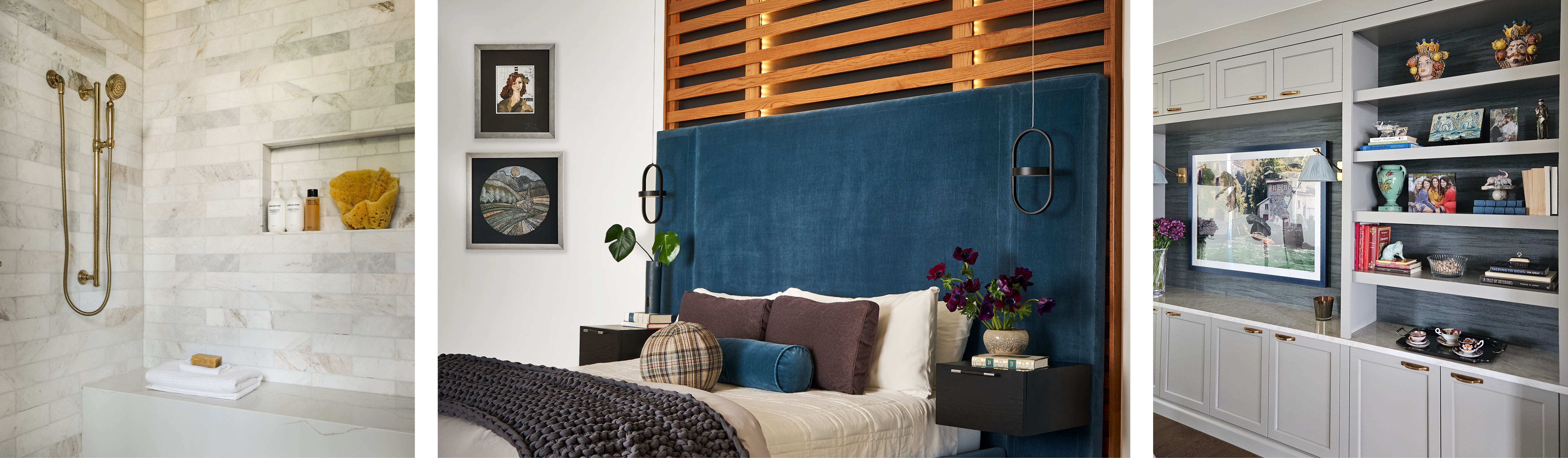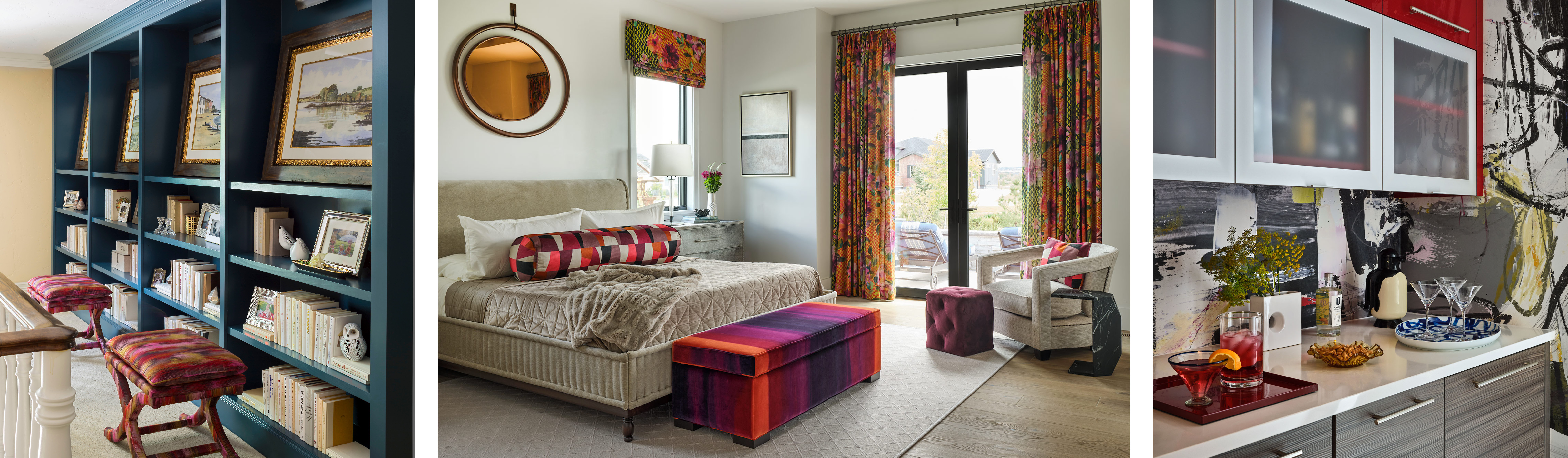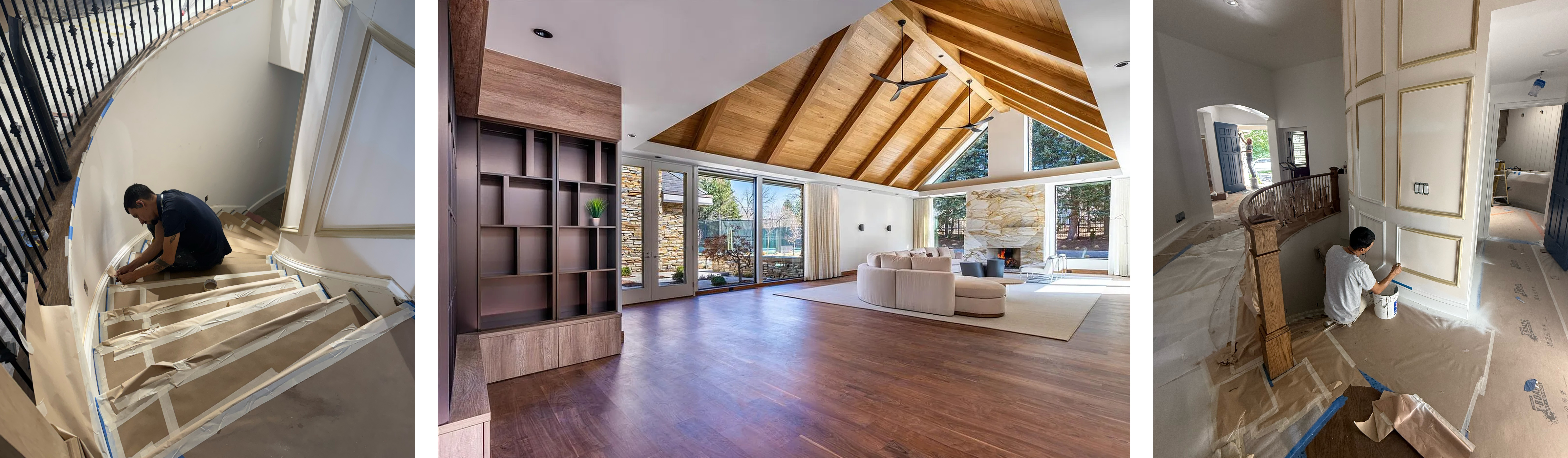
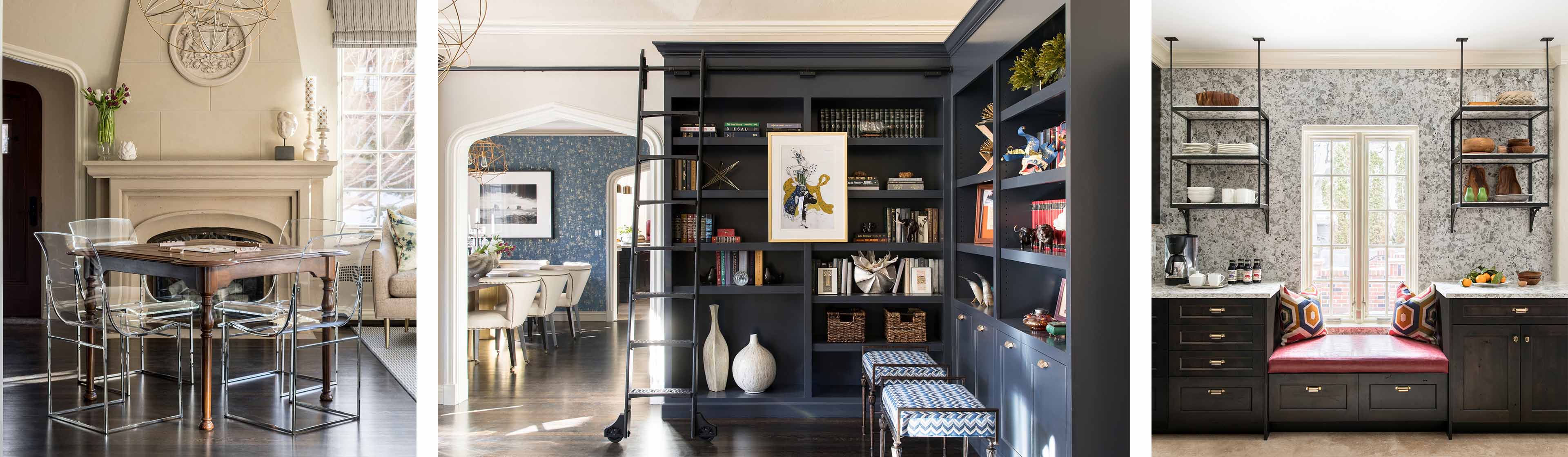
A well-designed home rarely happens by accident. The homes that feel calm, intentional, and easy to live in are usually the result of thoughtful decisions made long before construction begins.
One of the biggest factors in a successful custom home or renovation is the relationship between architecture and interiors. When those two disciplines are aligned early, the result is a home that feels more connected, functions more naturally, and avoids many of the costly problems that often appear during construction.
When architecture and interior design are approached separately, issues tend to emerge later in the process. A lighting plan may not support the furniture layout. Window placement may limit how a room can actually function. Kitchen cabinetry may conflict with appliance dimensions or circulation paths. These may sound like small details individually, but together they shape how the home performs every day.
This is why cohesive interior design matters from the very beginning.
At The Duet Group, we often explain that architecture creates the framework of a home, while interiors shape the experience of living inside it. When those elements are developed together, the home feels more refined, more functional, and more personal over time.
In this article, we’ll explore how early design decisions affect construction, budgeting, daily living, and long-term value, and why cohesive interior design should never be treated as an afterthought.
Why Architecture and Interiors Should Work Together Early
Many homeowners assume interior design begins after architectural plans are complete. In reality, some of the most important interior decisions directly influence the architecture itself.
A kitchen layout affects plumbing and electrical planning. Furniture scale influences room dimensions. Ceiling details impact lighting design. Flooring selections affect floor elevations and transitions between spaces. These decisions are connected from the start, even if they seem unrelated at first.
When architecture and interiors are developed independently, the home can begin to feel fragmented. Rooms may look impressive in drawings but feel awkward in practice. A living room may not comfortably support conversation areas. A home office may lack proper natural light for daily work. A primary bathroom may feel disconnected from the homeowner’s routines because functionality was not fully considered early enough.
This is where cohesive interior design becomes essential. It creates alignment between the structure of the home and the way people actually want to live inside it.
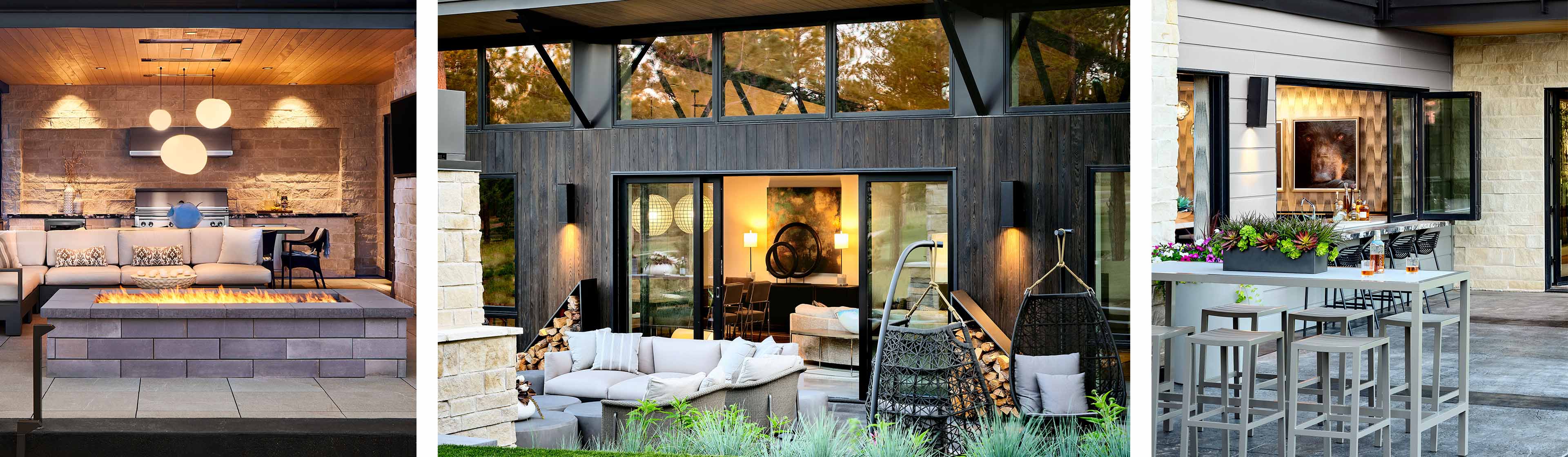
Design Decisions Affect Construction More Than Most Homeowners Realize
One of the biggest misconceptions in residential construction is that design choices are mostly cosmetic. In reality, many early design decisions affect nearly every trade involved in the project.
For example, cabinetry impacts appliance specifications, electrical placement, plumbing locations, ventilation requirements, and lighting layouts. Ceiling design must coordinate with HVAC systems, structural framing, recessed lighting, and millwork details. Even flooring selections can affect transitions between rooms and overall floor height calculations.
When these elements are not coordinated early, contractors often need to revise work during construction. This can increase labor costs, delay timelines, and create unnecessary frustration for homeowners.
The earlier these conversations happen, the smoother the project tends to run.
What Cohesive Interior Design Actually Means
Many people think cohesive interior design simply means matching finishes or using the same color palette throughout the home. True cohesion is much deeper than visual consistency.
A cohesive home feels unified because the architecture, materials, proportions, lighting, and functionality all support one another naturally.
That does not mean every room should feel identical. In fact, the most sophisticated homes often include variation and contrast. A dining room may feel more intimate and formal, while a family room feels softer and more relaxed. A primary suite may feel quieter and more restorative than the entertaining spaces elsewhere in the home.
The goal is not repetition. The goal is continuity.
Cohesion Shapes How a Home Feels
When a home is thoughtfully designed, people often notice the feeling before they notice the individual details.
That feeling comes from many subtle decisions working together. Natural light moves consistently throughout the home. Materials transition smoothly from room to room. Ceiling heights feel balanced. Furniture layouts support conversation and movement naturally. Lighting creates comfort rather than harshness.
These details may seem small on their own, but together they create homes that feel calm, intentional, and easier to live in over time.
This becomes especially important in larger custom homes where disconnected decisions can quickly make the home feel visually overwhelming or inconsistent.
Why Early Planning Improves Construction Efficiency
Construction problems are often planning problems in disguise.
Many of the delays homeowners experience happen because important decisions were pushed too far into the process. When selections happen late, contractors may need to redo completed work or adjust plans onsite.
An appliance selection that changes late in the project may affect cabinetry dimensions and electrical placement. A revised lighting plan may require adjustments to framing or ceiling layouts. Plumbing fixture changes may affect tile layouts, wall construction, or countertop fabrication.
These revisions create ripple effects throughout the project. Additional labor is required. Scheduling becomes more difficult. Material waste increases. Stress levels rise for both the construction team and the homeowner.
Early coordination between architecture and interiors helps reduce these issues because more decisions are resolved before construction begins.
Procurement and Lead Times Require Earlier Decisions
Material lead times have become increasingly unpredictable in recent years. Custom windows, specialty plumbing fixtures, integrated appliances, stone slabs, and custom lighting often require months of lead time.
When selections are delayed too long, the construction schedule becomes more vulnerable to disruption.
This is one reason integrated planning has become increasingly valuable in luxury residential construction. It allows procurement decisions to happen strategically instead of reactively.
Rather than scrambling to make selections under pressure, homeowners can move through the process more thoughtfully and confidently.
How Cohesive Interior Design Supports Better Budget Clarity
Many homeowners assume construction costs are driven mostly by square footage. While size certainly matters, planning quality often has a major impact on the final budget.
Late revisions during construction are expensive because even small changes can affect multiple trades at once.
Moving a plumbing location may affect cabinetry, tile installation, electrical work, countertop fabrication, and scheduling. A change to ceiling details may require framing revisions, lighting adjustments, and HVAC coordination. What appears to be one small design change can quickly affect many layers of the project.
A cohesive interior design strategy helps reduce unnecessary revisions because the project is being evaluated holistically from the start.
This does not mean every detail needs to be finalized immediately. Custom homes naturally evolve during the design process. However, major decisions should happen early enough to support accurate planning and budgeting.
Thoughtful Planning Creates Better Long-Term Investment Decisions
One of the biggest benefits of integrated design planning is financial clarity.
Instead of reacting to unexpected problems during construction, homeowners can make informed decisions based on long-term value and functionality.
This approach is especially important for affluent homeowners who care less about arbitrary cost cutting and more about craftsmanship, longevity, quality materials, and livability.
Today’s luxury homeowners are often thinking beyond immediate aesthetics. They are designing homes that will support their lives for decades.
Why Whole Home Interior Design Creates Better Long-Term Results
One of the most common challenges in residential design happens when homes evolve in disconnected phases.
A kitchen renovation may not relate to the adjacent living spaces. A future addition may feel disconnected from the original architecture. Updated finishes may clash with older millwork or flooring throughout the rest of the home.
Whole home interior design takes a different approach.
Instead of treating rooms individually, whole home interior design evaluates the house as one connected environment. Every decision is considered within the context of the larger home.
A Home Should Function as a Complete System
This level of planning considers how people move through the home daily, how entertaining flows between rooms, how storage supports routines, and how lighting changes throughout the day.
It also considers how the home may need to evolve over time.
This becomes especially important for homeowners navigating major life transitions such as retirement, downsizing, multi-generational living, or aging in place. In these moments, design becomes more than aesthetics. It becomes part of how the home supports emotional wellbeing and daily comfort.
The strongest homes are often the ones that quietly support life without demanding constant attention or adaptation.
Why Emotional Experience Matters in Residential Design
People do not experience homes as floor plans or finish schedules. They experience homes emotionally.
That emotional experience is shaped by details many homeowners may not immediately notice. Ceiling height affects comfort. Natural light affects mood. Room proportions influence stress levels. Furniture layouts affect conversation and connection.
When architecture and interiors are aligned, the home often feels more comfortable without the homeowner fully understanding why.
For example, thoughtful circulation paths can reduce stress during busy mornings. Well-positioned seating areas can encourage family connection. Balanced natural light can make a home feel calmer throughout the day.
These details affect how the home supports everyday life.
Homes Today Need to Support More Than Ever Before
Modern homes are expected to do far more than they once did.
Today’s homeowners often need spaces that support remote work, wellness routines, overnight guests, entertaining, aging parents, and adult children returning home.
A home that feels cohesive is usually one where these different needs have been considered intentionally rather than added reactively over time.
The Risks of Delaying Interior Design Decisions
Some homeowners assume they can finalize interior decisions later during construction. On smaller projects, this may occasionally work. On large custom homes and major renovations, delayed planning often creates expensive compromises.
A furniture layout may no longer work with outlet placement. Window dimensions may reduce usable wall space. Lighting fixtures may conflict with ceiling details. Storage may feel disconnected from how the family actually lives.
These issues affect more than aesthetics. They directly affect functionality and long-term satisfaction with the home.
Delayed decision-making also increases pressure during construction. Homeowners may feel rushed into making important selections simply to keep the project moving forward. That pressure often leads to decisions that feel less thoughtful later.
Planning interiors early creates clarity and gives everyone involved a stronger roadmap.
Why Integrated Design-Build Teams Create Better Alignment
One reason many homeowners are drawn to integrated design-build firms is because communication becomes far more streamlined.
Instead of separating architecture, interiors, and construction into disconnected phases, the entire project evolves collaboratively.
This creates better communication, earlier budget clarity, faster problem solving, and fewer construction conflicts throughout the process.
At The Duet Group, design and construction are treated as interconnected parts of the same larger strategy rather than isolated services.
This level of alignment helps create homes that feel more intentional from both a visual and functional perspective.
Why Cohesion Increases Long-Term Value
Homes with strong architectural and interior alignment often age more gracefully over time.
This is because thoughtful homes rely less on short-term trends and more on lasting principles such as strong proportions, quality craftsmanship, functional layouts, timeless materials, and balanced lighting.
According to recent Houzz luxury renovation trend reports, many high-end homeowners are placing greater value on long-term livability and functionality rather than purely cosmetic upgrades.
This reflects a larger shift in how luxury is being defined.
Today, luxury often means comfort, clarity, functionality, emotional calm, and long-term durability. These qualities are difficult to achieve without strong coordination between architecture and interiors from the beginning.
Questions Homeowners Should Ask Early in the Process
Homeowners planning a custom build or major renovation can improve outcomes significantly by asking more thoughtful and integrated questions early in the process.
How will the rooms function day to day?
A beautiful home should also support real daily routines comfortably. Spaces should feel intuitive to move through and practical for how the homeowner actually lives.
Will the home still work well ten or twenty years from now?
A thoughtfully designed home should adapt to changing stages of life, whether that includes aging in place, hosting family more often, or supporting multi-generational living.
How will materials age together over time?
Natural materials such as stone, wood, plaster, and metal all evolve differently with age and use. Early planning helps ensure those materials continue to feel cohesive and timeless years later.
How will lighting affect the emotional tone of the home?
Lighting influences far more than visibility. It shapes comfort, mood, relaxation, and the overall atmosphere of the home throughout the day.
Cohesive Interior Design
The most successful homes are rarely the result of isolated decisions. They are the result of alignment.
When architecture and interiors are planned together early, construction becomes more efficient, budgets become easier to manage, and the final home feels more complete emotionally and visually.
Cohesive interior design is not simply about aesthetics. It is about creating continuity between structure, functionality, craftsmanship, and daily living.
For homeowners investing in custom residential construction or large-scale renovation, early collaboration can dramatically improve the long-term success of the project.
At The Duet Group, we believe thoughtful homes come from thoughtful process. Through integrated planning, clear communication, and full-service expertise, we help create homes that feel deeply personal, highly functional, and built to last. If you are considering a custom home or whole-home renovation, contact Duet Design Group to learn more about our approach to cohesive interior design and integrated residential construction planning.