No custom home gets built without change orders. Anyone who tells you otherwise is either describing a very unusual project or not being fully honest about what happened.
Change orders are part of how custom construction works. They are the mechanism by which a project accommodates everything that was not fully decided, not fully known, or not fully understood when the contract was signed. Managing them well is one of the more significant things a builder does across the life of a project. Understanding them is one of the more significant things a client can do.
Here is what you need to know before your build begins.
What a Change Order Actually Is
A change order is a formal amendment to the construction contract. It documents a change to the original scope, drawings, or specifications after construction has started, and it establishes three things: what is changing, what it costs, and whether it affects the project timeline.
That last part, the timeline impact, is the one clients most often underestimate. A change order is not just a line item on a budget. It is an instruction that has to travel through the entire project team: the project manager, the affected subcontractors, the material suppliers, and in some cases the permitting authority. Every person in that chain whose schedule is disrupted by the change has a cost, and that cost is usually larger than it appears on a single line item.
The Two Kinds of Change Orders
Change orders in custom home building generally come from two different sources, and understanding which kind you are dealing with matters.
The first kind is client-driven. You decide during framing that you want to move a wall. You see a tile in a showroom mid-project that you prefer to the one you already specified. You want to add built-ins that were not in the original drawings. These changes are your choices, made with full information, and they carry their costs accordingly.
The second kind comes from the site or the construction process itself: an unexpected soil condition, a utility line in a location the survey did not show, a structural requirement that the original drawings did not anticipate. These changes are nobody’s fault, but they still have to be documented and priced, and a well-run project handles them through the same formal process as a client-driven change.
Both kinds are normal. What to know before building a custom home is that both kinds will happen, and that the difference between a project where change orders feel manageable and one where they feel like a constant escalation usually comes down to how the process was set up at the beginning.
Why Change Orders Cost More Than They Seem Like They Should
This is the question clients most often ask, usually after receiving a change order price that feels high relative to the apparent simplicity of the change. The answer involves understanding how construction projects are sequenced.
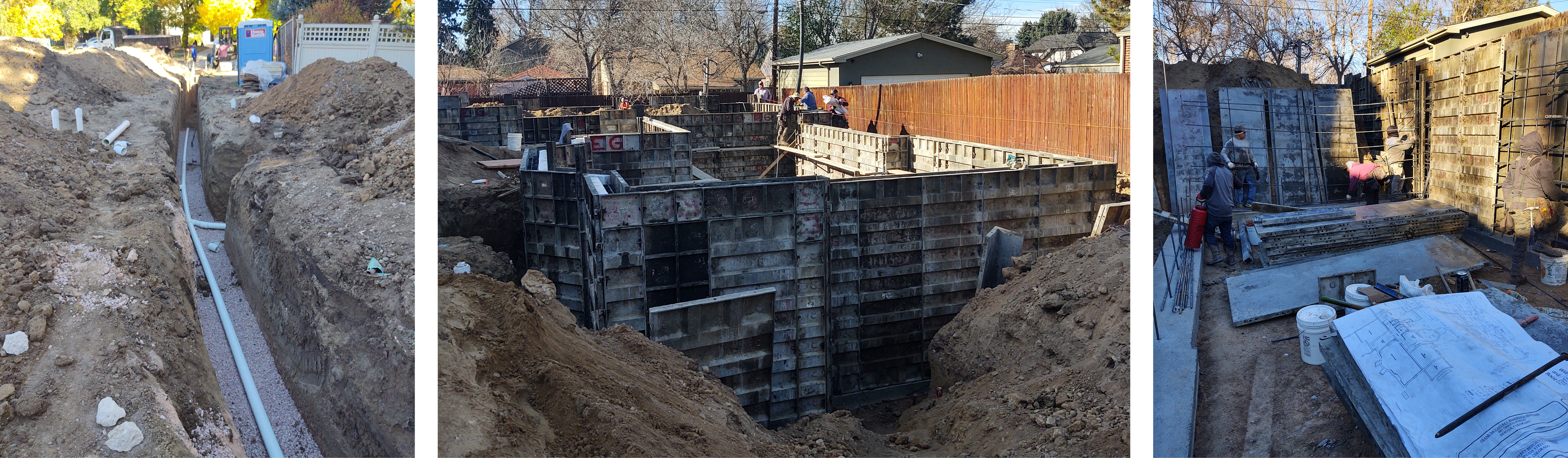
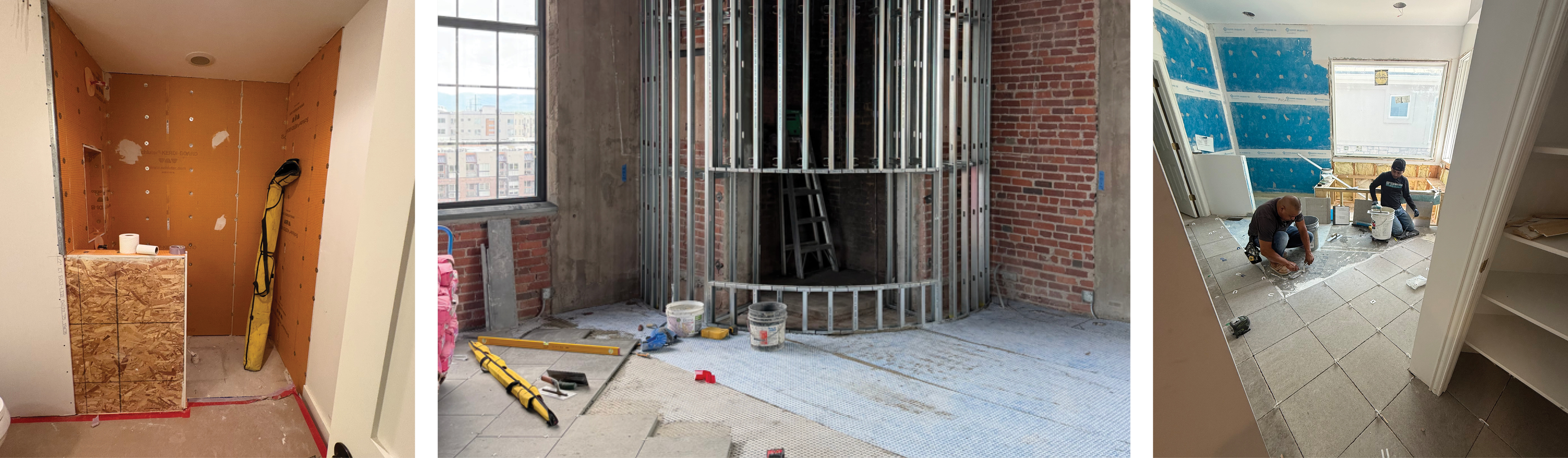
In the design phase, changing a wall location is a conversation. In the preconstruction phase, it is a drawing revision. Once framing is underway, moving that same wall may involve the framing crew, the electrician who has already rough-wired through that wall, the plumber if any plumbing runs nearby, the HVAC contractor if ductwork is affected, and potentially a structural engineer if the wall is load-bearing. Each of those trades has to reschedule, and the cost of that rescheduling is part of what you are paying for.
Industry data consistently shows that change orders custom home building projects accumulate can raise total project costs significantly when they are not managed carefully. Research compiled by Rhumbix puts the average change order cost on major projects at 10 to 15 percent of total contract value, with some projects reaching 25 percent or more, a figure that reflects both the direct cost of the changes and the downstream schedule and coordination costs they generate. The specific cost of any individual change depends heavily on when in the build it occurs. A change made before construction begins costs almost nothing beyond the design time to update the drawings. The same change made after drywall is installed costs significantly more, because it requires demo, re-work, and re-finishing in addition to the change itself.
The principle is straightforward: every phase of construction that has been completed is a phase that a change can require undoing. The further along the project is, the more expensive it is to go back.
What a Good Change Order Process Looks Like
A builder who handles change orders well does not eliminate them. They document them clearly, communicate about them promptly, and make sure the client understands the full impact, cost and schedule, before any work proceeds.
Every change order should include:
- A specific description of what is changing, precise enough that no ambiguity remains about scope
- The cost of the change, broken into labor and materials where possible
- The timeline impact, in days of schedule extension if any
- A signature from both the builder and the client before work begins
That last point is important. Work should not proceed on any change before it is documented and approved. A builder who moves forward on a verbal instruction and reconciles the cost later is not protecting either party, and the reconciliation conversation rarely goes as well as the original would have.
What This Means for Your Budget
The standard professional recommendation is to carry a contingency of five to ten percent of your total construction budget specifically for change orders and unforeseen conditions. This is not pessimism. It is an acknowledgment that a custom home build involves thousands of decisions, some of which will change as the project develops and as site conditions reveal themselves.
A contingency line that is never touched is not money wasted. It is peace of mind that was worth carrying. A project that burns through its contingency in the first third of the build and has no buffer for the remaining phases is a project under significant stress.
The Most Effective Way to Reduce Change Orders
The single most effective thing a client can do to reduce change orders is make more decisions before construction starts.
This sounds simple and it is genuinely hard, because it requires making specific decisions about things that do not yet exist. Choosing a tile for a floor that has not been poured. Selecting a plumbing fixture for a bathroom that is months away from installation. The temptation to defer these decisions until the space exists is understandable. The cost of deferring is that the decision arrives as a change order if the original allowance does not accommodate it, which it often does not.
The pre-construction phase exists precisely to reduce this problem. The more decisions that are finalized before excavation begins, the fewer changes the project needs to accommodate once it is underway. At Duet Build, we use the pre-construction period to work through as many of these selections as the client is able to make, and we are direct about the cost implications when a decision is being carried forward rather than resolved.
Our post on pre-construction planning covers how this phase works in practice, including how material selections and design decisions are sequenced to give the build the clearest possible path before work begins.
Reading Your Contract Before You Need It
Most clients do not read their construction contract in detail until something goes wrong. By then, the language that governs how change orders are priced and approved is already in effect, and it may not be structured the way the client assumed it was.
Before your build begins, read the change order provisions of your contract specifically. Understand who is authorized to approve a change on the builder’s side and on yours. Understand whether per diem charges apply if a decision is delayed beyond a specified window. Understand how allowance items are handled if they are exceeded, because they often are.
A builder with a well-structured contract will welcome these questions. The provisions are designed to protect both parties, and a client who understands them is a client who will use the change order process the way it was intended rather than discovering it as a surprise. Professional guidance on custom home contracts consistently identifies contract clarity as one of the most important factors in a smooth building experience, and the change order process is one of the provisions most worth understanding in detail before a project begins.
What Happens When Change Orders Go Wrong
The projects where change orders become genuinely disruptive tend to share a few common characteristics. The client and builder did not establish a clear process at the outset. Changes were discussed verbally and priced later. The client was not informed of timeline impacts at the time changes were made. Allowance items were set optimistically and consistently exceeded.
Each of these failures compounds the others. Verbal approvals lead to disputes about what was agreed. Late pricing surprises produce frustration that affects the working relationship. Timeline impacts that were not disclosed upfront feel like delays the client did not consent to. The cumulative effect is a project where the change order conversation has become adversarial rather than collaborative.
This is not inevitable. It is the predictable result of a process that was not set up clearly at the beginning. Our post on communication in construction covers how the working relationship between client and builder should be structured to prevent exactly this dynamic, including how regular updates and documented decisions keep both parties aligned throughout the build.
How We Think About Change Orders at Duet Build
We would rather spend an hour in the pre-construction phase resolving a decision than spend a week in the construction phase managing the consequences of not resolving it. That preference shapes how we run projects from the first meeting.
We document every change before work proceeds. We communicate timeline impacts directly and promptly. We set allowances based on realistic expectations rather than numbers that make the initial budget look more appealing. And we have the change order conversation at the beginning of a project, before anyone is in the middle of a build, because clients who understand the process before it applies to them handle it better than clients who encounter it as a surprise.
The goal is not a project without changes. Custom construction does not work that way. The goal is a project where changes are handled so clearly that they feel like a normal part of the process rather than an ongoing negotiation about who owes what.
If you are in the early stages of planning a custom home and want to understand how we structure this process before a project begins, take a look at how Duet Build manages custom home construction, explore our whole home renovation work, or read more about what to expect building a custom home from start to finish. When you are ready to talk through your project specifically, reach out to our team.