Storage is one of the most important parts of a well-designed home, but it is often treated as something to solve later. Homeowners may begin by focusing on the floor plan, kitchen layout, bathroom finishes, lighting, or furniture. Those details matter, but home storage design has just as much influence on how the home feels and functions every day.
A home can be beautiful and still feel difficult to live in. If there is no clear place for everyday items, clutter builds quickly. Counters become crowded. Closets overflow. Entryways feel busy. Utility spaces become catch-all areas. Over time, the home can start to feel less calm, even if the design itself is refined.
In a custom home, storage should never feel like an afterthought. It should be part of the design conversation from the beginning. When storage is planned early, it can be built into the architecture, room flow, cabinetry, and daily routines. The result is a home that feels more organized, more intentional, and easier to maintain.
At The Duet Group, storage planning is approached as part of the larger vision for the home. Every decision is made with function, craftsmanship, and long-term living in mind. The goal is not simply to add more cabinets or closets. The goal is to create a home that supports real life in a thoughtful, refined, and lasting way.
Why Home Storage Design Matters
Home storage design affects much more than organization. It influences how people move through the home, how each room functions, and how easy daily life feels. When storage is planned well, the home feels calmer, cleaner, and easier to maintain. When storage is overlooked, even a beautiful home can start to feel frustrating.
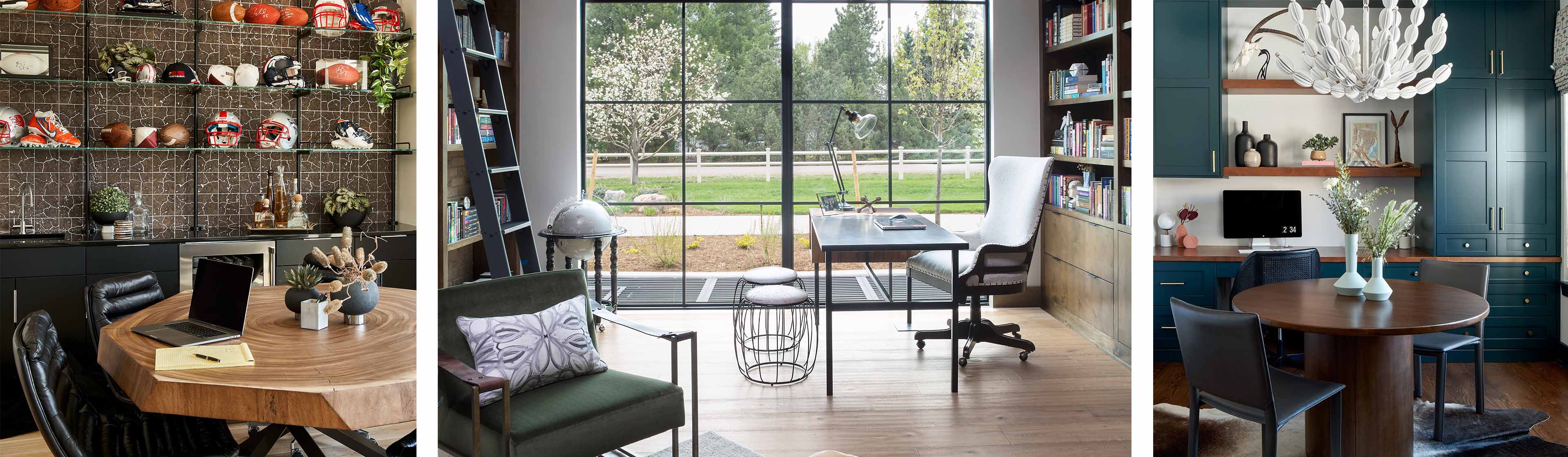
Storage Shapes How the Home Works
An entryway without proper storage can quickly become crowded with shoes, bags, coats, and deliveries. A kitchen without enough pantry space or appliance storage can make cooking feel stressful. A laundry room without cabinetry or utility storage can turn into a catch-all area for cleaning supplies, linens, pet items, and household overflow.
These may seem like small problems, but they affect how the entire home performs over time.
A strong home storage design strategy helps each space support real life. It should account for:
- Daily routines
- Entertaining
- Remote work
- Wellness spaces
- Seasonal storage
- Travel items
- Children and grandchildren
- Pets
- Aging in place
- Future lifestyle changes
The goal is not just to create more storage. The goal is to create the right storage in the right places.
Does a Larger Home Still Need Storage Planning?
Yes. More square footage does not automatically create better organization.
In fact, larger homes often need more intentional storage planning because there are more rooms, more movement, and more items to manage. Without a clear plan, belongings can spread into the wrong spaces. Closets become overcrowded. Garages collect overflow. Utility rooms begin handling more than they were designed for.
Thoughtful storage helps every part of the home keep its purpose.
Why Storage Supports Modern Luxury
Modern luxury is no longer defined only by size, finishes, or impressive rooms. Homeowners increasingly want homes that feel easy to live in.
A truly refined home supports daily life without creating unnecessary stress or visual clutter. It has a place for the practical parts of living, not just the beautiful ones.
That is why home storage design plays such an important role in custom homes. It helps create spaces that are not only elegant, but functional, intentional, and built to support long-term living.
Why Storage Should Be Planned Early
One of the biggest advantages of building or renovating a custom home is the ability to make thoughtful decisions before construction begins. Storage is one of those decisions.
When storage planning starts early, the design team can place storage where it makes the most sense. Cabinetry can be built into walls. Lighting and electrical can be coordinated before installation. Room layouts can be adjusted to improve flow. Sightlines can stay clean because storage has been considered as part of the design, not added after the fact.
When storage is addressed too late, the options become more limited. Homeowners may need to rely on freestanding furniture, oversized closets, storage bins, or temporary solutions that do not match the rest of the home. These fixes may solve a short-term problem, but they rarely feel seamless.
Early planning also helps avoid costly changes later. If a homeowner decides late in the process that they need more pantry space, a larger mudroom, or built-in office storage, that decision may affect framing, electrical, cabinetry, and finishes. Planning ahead creates a smoother process and a more cohesive final result.
This is especially important in homes with a clean or minimal design style. The simpler a space looks, the harder the storage has to work behind the scenes.
Storage Should Reflect Real Life
The best home storage design begins with honest questions about how the homeowner lives.
Every household has different needs. Some homeowners entertain often. Others travel regularly. Some need space for grandchildren, adult children, or caregivers. Others are downsizing and want every square foot to work harder without feeling crowded.
A strong design process looks at these patterns early.
For example, where do groceries enter the home? If the garage connects to the kitchen, the pantry should be placed with that movement in mind. If the family uses a side entrance every day, that entry needs more support than the formal front door. If the homeowner works from home, office storage should be designed for both beauty and privacy.
Small decisions like these have a major impact on daily life.
A family with children may need a mudroom with closed cabinets, durable finishes, and enough room for bags, shoes, sports equipment, and coats. A couple who entertains often may need a walk-in pantry, prep kitchen, or storage for serving pieces. A homeowner who values visual calm may prefer concealed storage that keeps daily items out of sight.
The goal is to make storage feel natural to the home and the people living in it.
Entryways and Mudrooms Set the Tone
Entry spaces are some of the hardest-working areas in a home. They manage the transition between outside life and inside life.
Shoes, bags, coats, mail, deliveries, pet items, and seasonal gear all pass through these spaces. Without a plan, clutter gathers quickly. This can make the home feel disorganized from the moment someone walks in.
A well-designed mudroom or entry zone can prevent that. Closed cabinetry can hide visual clutter. Bench seating can make daily routines easier. Shoe storage, hooks, charging stations, and utility cabinets can keep the space functional without making it feel busy.
The best entry storage is not only practical. It also respects the tone of the home. Materials, proportions, hardware, and lighting should feel connected to the rest of the design. This allows the space to work hard without feeling purely utilitarian.
In custom homes, these transition spaces are often where thoughtful planning makes the biggest difference.
Kitchen Storage Needs More Than Cabinets
Kitchens receive a great deal of attention in custom home projects, but storage is sometimes approached too narrowly.
A large kitchen does not always mean a functional kitchen. The success of the space depends on how storage supports cooking, cleanup, entertaining, and daily routines.
A strong kitchen plan considers what needs to be close at hand and what can be stored elsewhere. Everyday dishes may need to be near the dishwasher. Serving pieces may belong closer to the dining or entertaining areas. Small appliances may need an appliance garage so they do not take over the counters. Recycling, trash, and cleaning supplies should be placed where they support the way the kitchen is actually used.
Pantries also deserve careful planning. A walk-in pantry can be highly useful, but only if shelving depth, lighting, access, and organization are handled well. Deep shelves may seem generous, but they can make items harder to find. Poor lighting can make the space frustrating. A beautiful pantry should still be practical.
For homeowners who entertain often, kitchen support spaces become even more important. A prep kitchen, butler’s pantry, or dedicated beverage area can keep the main kitchen polished while still supporting hosting needs.
This is where storage becomes part of hospitality.
Built In Storage Solutions Create a More Seamless Home
Built in storage solutions are valuable because they feel connected to the architecture. Instead of adding furniture or storage pieces after the home is complete, built-ins allow storage to become part of the home’s structure and style.
This can include library walls, window seats with storage, integrated media cabinetry, hallway millwork, under-stair storage, built-in dining banquettes, or hidden storage within paneled walls.
The best built in storage solutions are not loud or overly complicated. They feel natural. They improve function while supporting the overall design language of the home.
For example, a built-in library wall can provide book storage, display space, and concealed cabinets in one refined feature. A window seat can create a quiet reading area while also storing blankets, games, or seasonal items. A built-in media wall can hide cords, devices, speakers, and equipment without disrupting the room.
These details are especially helpful in custom homes because they can be designed to fit the exact proportions of the space. The result feels more intentional than freestanding furniture and often uses square footage more efficiently.
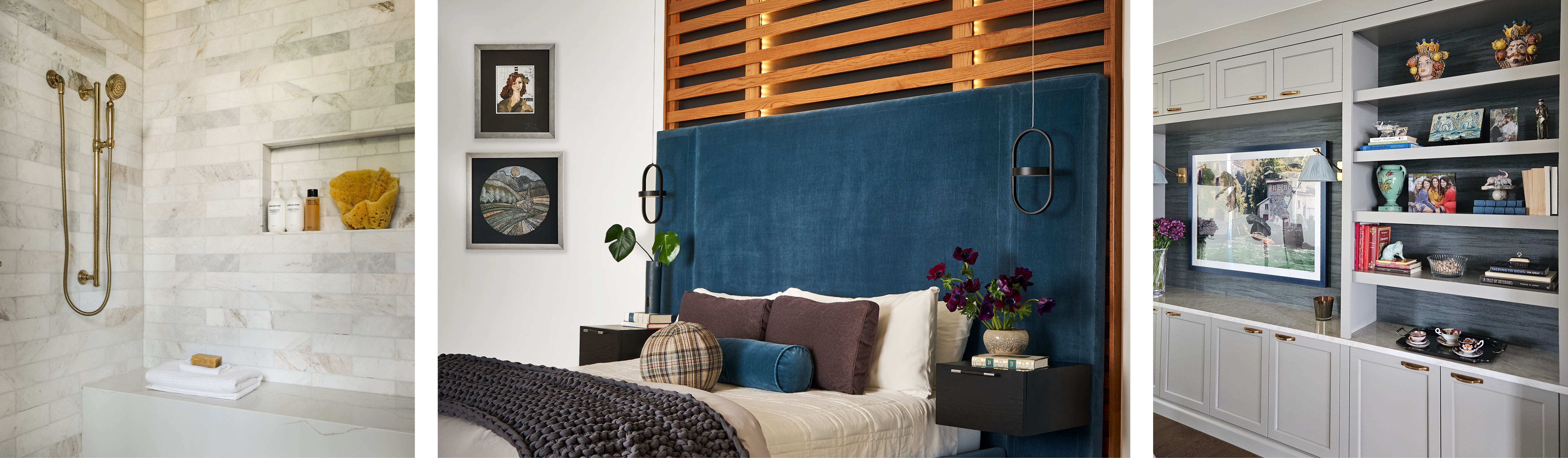
Bathrooms Need Practical Storage Too
Bathrooms are often designed around finishes first. Stone, tile, lighting, plumbing fixtures, and mirrors all shape the look of the room. However, bathroom storage deserves the same level of attention.
A beautiful bathroom can become frustrating if there is no place for towels, grooming tools, skincare, medication, cleaning supplies, and daily essentials. These items need to be easy to reach, but they should not overwhelm the room visually.
Good bathroom storage may include recessed medicine cabinets, hidden outlets, linen storage, drawer organizers, vertical storage, concealed laundry areas, or dedicated grooming zones.
Primary bathrooms often need more storage than homeowners expect. Guest bathrooms need enough storage to feel welcoming and easy to use. Powder rooms may need less, but even these spaces benefit from discreet storage for basic supplies.
The goal is to make the room feel calm and polished while still supporting daily use.
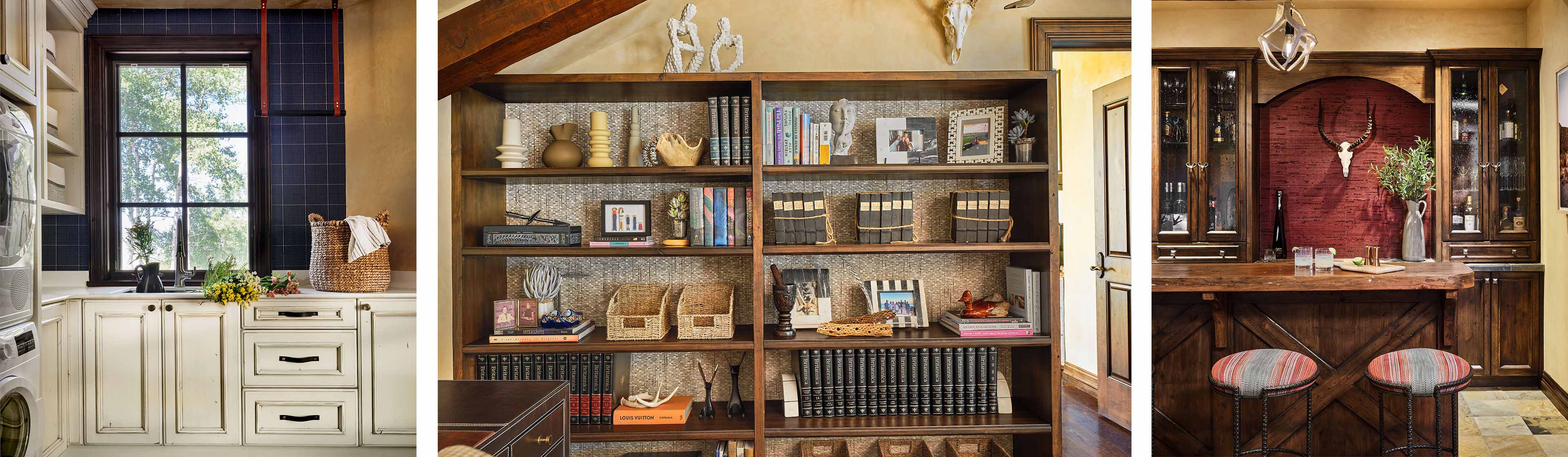
Laundry and Utility Rooms Support the Whole Home
Laundry rooms are no longer simple back-of-house spaces. In many custom homes, they act as important support zones.
A laundry room may hold cleaning supplies, pet care items, backup household products, linens, seasonal décor, craft materials, or package overflow. If these needs are not planned for, clutter spreads into closets, garages, bathrooms, and kitchen spaces.
A thoughtful laundry or utility room should include enough storage for the real work of maintaining the home. Cabinetry, hanging space, folding surfaces, sink placement, and durable finishes all matter.
For larger homes, secondary laundry spaces may also be worth considering. A laundry room near bedrooms supports daily living, while a secondary laundry or utility area near a mudroom can support pets, sports gear, pool towels, or outdoor living.
These spaces may not be the most visible rooms in the home, but they play a major role in how smoothly the home operates.
Storage Helps Create Visual Calm
Many people think clutter means they own too much. Sometimes that is true. More often, clutter appears because the home does not have the right systems.
When everyday items do not have a logical place to go, they remain visible. Mail sits on counters. Shoes collect by doors. Devices and cords spread across surfaces. Seasonal items move into living spaces because no better location exists.
Thoughtful home storage design reduces that friction.
It creates a place for daily life to happen without taking over the home visually. This is especially important in open-concept layouts. When the kitchen, dining room, and living room are connected, clutter in one area affects the entire space.
Open homes require stronger storage planning because more is visible at once. Hidden storage, well-placed cabinetry, and carefully planned support spaces help preserve a sense of calm.
A refined home does not need to feel empty. It needs to feel supported.
Storage Should Adapt Over Time
A custom home should work well on move-in day, but it should also support the homeowner years from now.
This is why storage planning should consider future change. Children grow older. Grandchildren visit more often. Work routines shift. Health needs change. Entertaining habits evolve. A home that is designed with flexibility will be easier to live in over time.
For example, a home office may later become a guest room. A guest suite may eventually support a caregiver or adult child. Storage near a primary suite may become more important for aging in place. A hobby room may need to shift into a wellness space or study.
Storage systems should allow for these changes without requiring major renovations.
This is especially important for homeowners who are designing a long-term residence or downsizing into a home they plan to enjoy for many years. In these cases, every storage decision should support both current comfort and future ease.
Common Storage Planning Mistakes
Even high-end homes can miss important storage opportunities. The most common mistake is focusing on how a space looks before understanding how it will be used.
For example, deep shelves may seem generous, but they can make items hard to reach. Open shelving may look elegant, but it requires careful maintenance. Large closets may feel luxurious, but without the right internal organization, they can become inefficient.
Another common mistake is ignoring drop zones. These are the places where items naturally collect, such as entrances, hallway areas, kitchen counters, and bedroom chairs. If the home does not provide storage near these points, clutter becomes a routine part of daily life.
Utility storage is also often underestimated. Cleaning supplies, luggage, tools, backup paper goods, seasonal décor, and household equipment all need a home. When these items are not planned for, they usually end up in garages or closets that were meant for something else.
The final mistake is designing only for the current moment. A custom home should be beautiful now, but it should also remain useful as life changes.
Smaller Homes Need Smarter Storage
Storage planning is especially important in smaller luxury homes, vacation homes, and downsized residences.
When square footage is more limited, every decision matters. Rooms often need to serve more than one purpose, and storage needs to be precise. Built-ins can be especially useful because they add function without making the home feel crowded.
A smaller home may benefit from storage benches, concealed wall systems, under-stair storage, custom closets, integrated desks, or built-in dining storage. These solutions help the home feel complete without relying on too many freestanding pieces.
For homeowners who are downsizing, this planning can also ease the emotional side of the transition. Moving from a larger home into a more edited space requires thoughtful decisions about what to keep, what to display, and what needs to be stored in a meaningful way.
Good storage does not simply hold belongings. It helps preserve the parts of life that matter most.
Are Built-Ins Worth the Investment?
In many custom homes, built-ins are worth the investment because they improve both function and design. They can make rooms feel more finished, reduce the need for extra furniture, and help the home stay organized.
They also support long-term value because they are designed for the specific home and the specific homeowner. When done well, they feel permanent, useful, and visually connected to the architecture.
However, built-ins should be planned with care. They should not be added simply to fill walls. They should solve a real need, support the room, and feel aligned with the overall design.
The Long-Term Value of Home Storage Design
Strong home storage design is not about hiding everything away. It is about creating a home that works with ease.
The best storage systems are often quiet. They do not demand attention. They simply make life feel more organized, more comfortable, and more intentional.
A well-planned home supports daily routines without constant effort. It allows important rooms to remain beautiful and useful. It gives seasonal, practical, and personal items a proper place. Most importantly, it helps the home continue to serve the homeowner well over time.
At The Duet Group, storage planning is approached with the same care as architecture, interiors, and construction. Every choice is part of a larger conversation about how the home will live, function, and endure.
If you are planning a custom home or large-scale renovation and want a home that balances beauty, organization, and long-term function, explore The Duet Group’s design-build services or contact Duet Design Group to learn more about creating a tailored approach to home storage design.