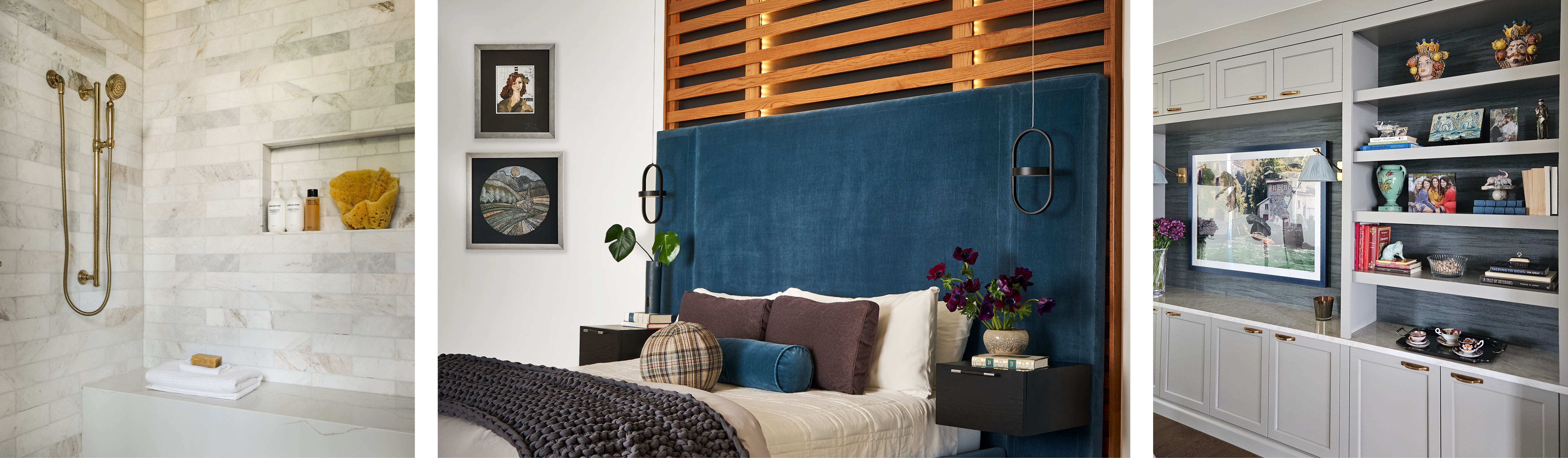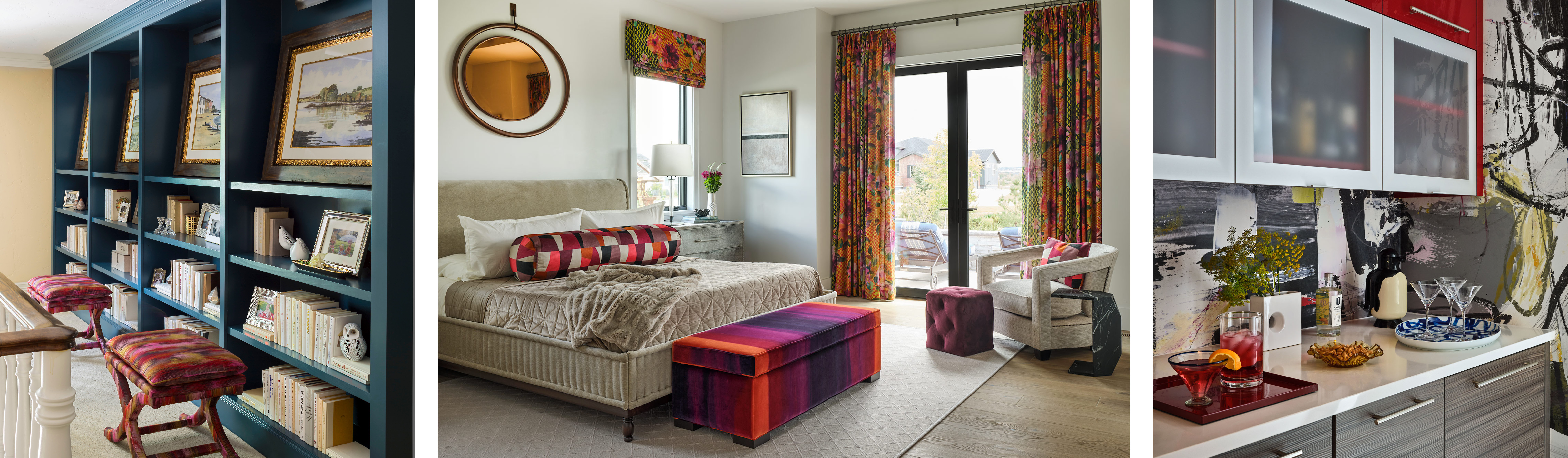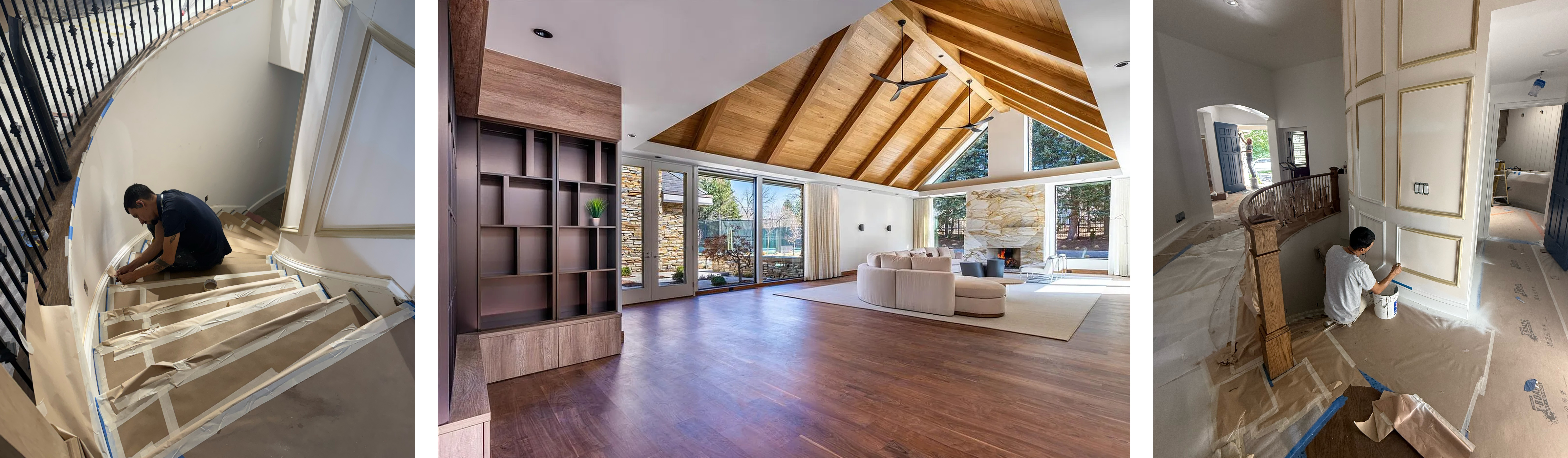
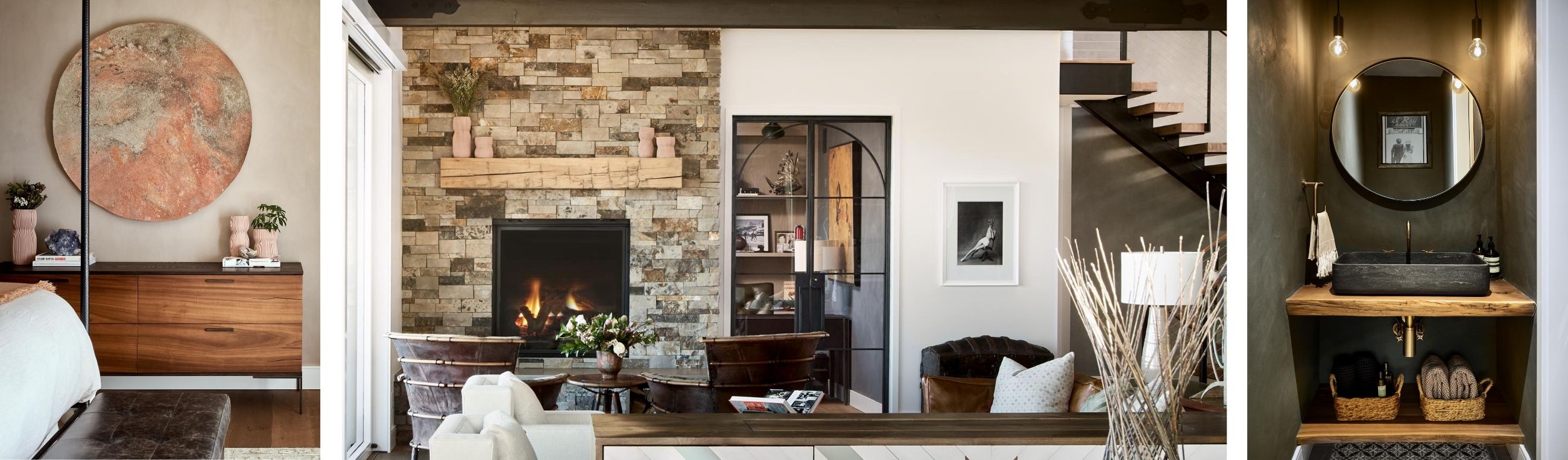
Interior design is often shaped by shifting trends, many of which age faster than the homes they inhabit. Many popular design choices lose relevance long before a home reaches maturity. That’s why more homeowners are choosing timeless interior design, an approach that prioritizes longevity, clarity, and value.
Timeless design is not driven by trends, but by decisions that hold their relevance over time. It avoids overdone details and focuses on lasting beauty, functionality, and material quality. At Duet Design, we believe timeless interiors reflect thoughtful decisions that continue to serve your life for decades, not just seasons. This philosophy is deeply rooted in a well-defined interior design process that emphasizes intention over impulse.
This design philosophy aligns especially well with homeowners who value legacy, trust, and high standards. They’ve often experienced design before, and now seek a more disciplined, considered approach.
What Is Timeless Interior Design?
The question ‘what is timeless interior design’ is often misunderstood. Many people think it means classic or old-fashioned. In reality, timeless interiors don’t belong to any single era. They’re designed to look and feel right over time. They evolve slowly and gracefully, always grounded in quality.
A timeless interior is guided by core principles that shape every decision, often beginning with foundational interior design concepts that balance function, proportion, and materiality.
- Purposeful layout based on how you actually live
- Neutral, layered color palettes that don’t age quickly
- Natural materials that wear beautifully and last
- Balanced proportions that bring calm and order
Unlike trendy designs that try to make a statement, timeless design reflects good judgment and visual intelligence. It’s not about what’s popular, it’s about what works long-term.
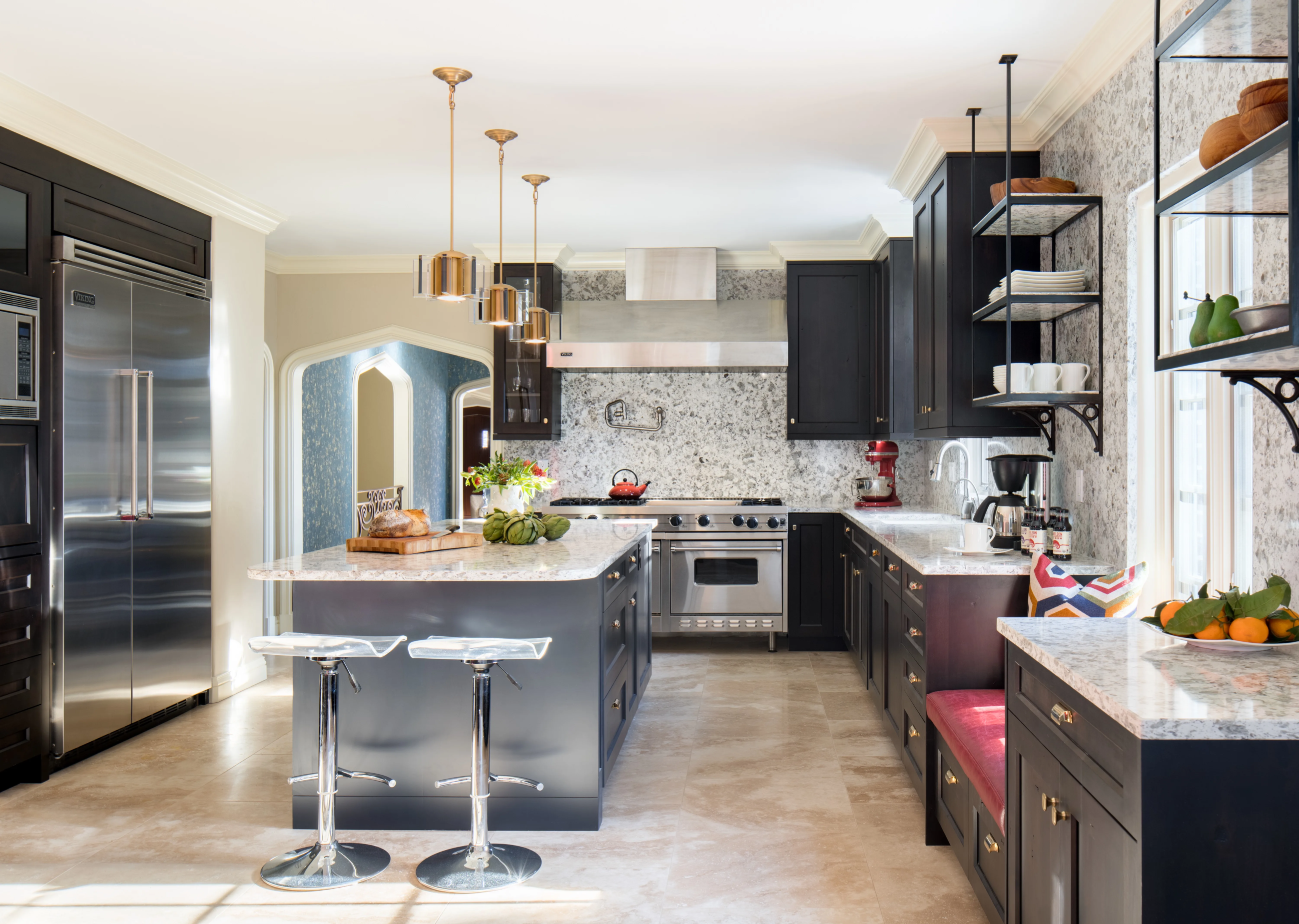
The Five Pillars of Timeless Interior Design
How thoughtful design choices create homes that stay beautiful, functional, and relevant for decades
Timeless interior design doesn’t happen by accident. It comes from careful planning, purposeful decisions, and a clear understanding of how people live. At Duet Design, these principles are reinforced through structured collaboration and a disciplined design review process that ensures every decision serves the long-term vision of the home.
That’s why we follow five core principles that guide every project we take on. These pillars form the foundation of timeless interiors that look refined, feel personal, and stand the test of time.
1. Start With How You Live
The most important step in creating a timeless interior is understanding the people who live in it. A home designed to reflect your daily life won’t need constant updates. Instead of following fads, it focuses on real function.
For example, if you work from home today but plan to retire in a few years, your office might need to double as a quiet sitting room in the future. If you host family often, your guest spaces need to be comfortable and practical, but not take over the entire floor plan when not in use.
This type of planning makes a major difference. According to the National Association of Home Builders (NAHB), over 63% of homeowners say they want flexible spaces that can change with their needs. It’s especially true for people navigating life transitions, such as retirement, remote work, or growing families.
That’s why we begin each project by asking detailed questions. What are your daily routines? Where do you start and end your day? How often do you host, travel, or work from home? These conversations help us create layouts that work now and later, without needing to be redesigned every five to ten years. Homes designed this way often benefit from the structure and continuity provided by full-service interior designers who remain involved from concept through execution.
Can timeless homes still be unique? Yes. Timeless design doesn’t mean one-size-fits-all. It means thoughtful, lasting decisions based on your personal lifestyle and long-term vision.
2. Use Restraint to Create Impact
Timeless interiors are not cluttered. They don’t rely on trends, fast furniture, or busy patterns to feel complete. Instead, they are carefully edited, with every element serving a clear purpose, whether functional, visual, or emotional.
Restraint allows a space to feel intentional rather than overworked. It means focused and intentional. For instance, instead of filling a living room with extra seating, oversized art, and multiple focal points, we might select one sculptural piece of furniture, layered lighting, and meaningful objects that tell your story.
A well-placed cabinet made from natural oak can feel more powerful than an entire wall of trend-based shelving. Restraint helps each element shine. It also brings a sense of calm to the space, something that’s especially valuable in high-use areas like kitchens, bedrooms, or family rooms.
A 2023 Houzz study found that homeowners prefer calm, neutral interiors over busy ones, especially in primary living spaces. Over 68% said their goal was to create a home that feels “relaxing and inviting.”
Is restraint the same as minimalism? No. Minimalism often strips things away for simplicity. Timeless design uses restraint to highlight what matters most. It’s about balance, not bare walls.
3. Invest in Materials That Last
One of the easiest ways to date a home is through poor material choices. Surfaces that scratch, fade, chip, or discolor quickly will need to be replaced, costing more money and time in the long run.
Timeless interiors use natural, high-quality materials that improve with age. These choices aren’t just more beautiful, they’re smarter investments.
Some examples we often recommend:
- Honed marble: Develops a natural patina over time, especially in kitchens and bathrooms.
- Natural oak and walnut: Strong and warm-toned woods that hold up well to wear.
- Wool and linen: Durable, breathable textiles that soften with use but rarely lose shape.
- Unlacquered brass: Gains depth and character as it ages, rather than looking worn.
In contrast, materials like vinyl, laminate, and MDF (medium-density fiberboard) may be cheaper up front but don’t wear well. Their finishes often crack, peel, or stain over time, especially in high-touch areas.
The Remodeling Magazine Cost vs. Value Report shows that using quality finishes in kitchens and bathrooms can return up to 60–75% of the investment at resale. These spaces, when built to last, remain functional and beautiful for decades.
Are natural materials hard to maintain? Not if you understand how they age. For example, honed marble may develop marks over time, but those marks add to its charm. Choosing natural materials means accepting a living surface, not a perfect one.
4. Focus on Scale and Balance
Timeless rooms feel “right” the moment you enter. That feeling often comes from proper scale and proportion, something that’s easy to overlook but essential for lasting design.
Every part of the room, from the size of the furniture to the spacing of lighting and the height of millwork, needs to fit the architecture of the home.
For example:
- A home with 10-foot ceilings needs taller doors, windows, and drapery to feel complete.
- Cabinet hardware should match the scale of the drawers or doors they serve.
- Lighting fixtures must be chosen based on ceiling height and room size, not just appearance.
When these details are handled correctly, the room feels natural and balanced. You don’t need to redecorate every time a trend changes. The structure itself supports the design.
This is also why our design and build teams work together from the beginning. It ensures that finishes, furniture, and construction details all align, before anything is ordered or installed.
Proportion is often what distinguishes truly refined interiors from those that feel ordinary. It’s not about spending more, it’s about planning better.
How do I know if a space is out of balance? If something feels too small, too tall, or awkward to use, it likely wasn’t scaled correctly. A timeless design eliminates that discomfort by working with, not against, the room’s natural structure.
5. Let the Space Tell Its Story
While timeless interiors avoid trends, they’re never generic. The most lasting designs are personal. They reflect the life, history, and values of the people who live there.
Rather than styling a room around what’s popular, we focus on what matters to the client:
- A table passed down through generations
- A collection of art from travels
- A custom display wall for books, wine, or heirlooms
- Furniture made to order, built to last, and reflective of your taste
These personal details are what make a house feel like home. They add depth and character without relying on trendy accessories or quick-fix styling.
Can a timeless home still be stylish? Absolutely. The best timeless interiors are quietly confident. They reflect personal style in a way that doesn’t fade with time. It’s not about being on trend, it’s about being true to yourself.
Why It’s a Smart Long-Term Decision
Beyond beauty, timeless design is a practical investment.
Lower Total Cost Over Time
The average U.S. homeowner spends about $8,300 annually on home improvements. Much of that cost goes to redoing things that were done cheaply or trendily the first time.
By choosing high-quality materials and smart design from the beginning, timeless interiors reduce the need for costly updates later.
Flexible for Future Life Changes
A well-designed space can shift with your needs. As families grow, shrink, or age, timeless rooms adapt without needing to be torn apart. One couple’s formal dining room may one day become their grandchild’s playroom or a compact studio space.
Duet clients, particularly in their 40s to 70s, often express a desire for homes that evolve with them, not just serve one chapter.
Higher Resale and Real Estate Appeal
Homes designed with restraint and built-in quality tend to hold value. Buyers can see and feel the difference. Clean layouts, natural light, strong materials, and smart storage always appeal, no matter what’s trending.
In 2022, studies showed homes with neutral, well-finished interiors sold faster and for up to 5% more than similar homes with heavy personalization or bold trends.
Clearing Up Common Myths
Is timeless design the same as traditional? Not necessarily. Timeless homes may borrow from traditional elements, but they are often a mix of modern, transitional, and classic. What matters is the balance and staying power, not the label.
Is timeless design plain or boring? No. In fact, timeless design often takes more creativity. It relies on restraint, composition, and detail, not flashy decor, to make an impact.
Homeowners considering this approach often benefit from asking the right questions early, including the key questions to ask interior designers before hiring, to ensure alignment in philosophy, process, and long-term expectations.
A Duet Approach to Timeless Homes
Every Duet Design project begins with listening. Our clients often come to us seeking homes that feel tailored, lasting, and quietly luxurious. They value structure, craftsmanship, and a sense of legacy. Whether they’re building their forever home or designing a secondary residence, they want something that works beautifully from day one, and gets better with time.
Timeless interior design isn’t just about how something looks. It’s about how it feels, how it performs, and how it supports life, across decades and generations.
Ready to Create Something That Lasts?
If you’re seeking design that values legacy, purpose, and precision, Duet Design offers full-service interior design and build expertise. We collaborate closely with clients who value trust, structure, and craftsmanship to create homes with soul and long-term performance.
Explore our full-service interior design approach or contact us to start the conversation.
Timeless design is measured by how well a space continues to serve and inspire over decades, not seasons.