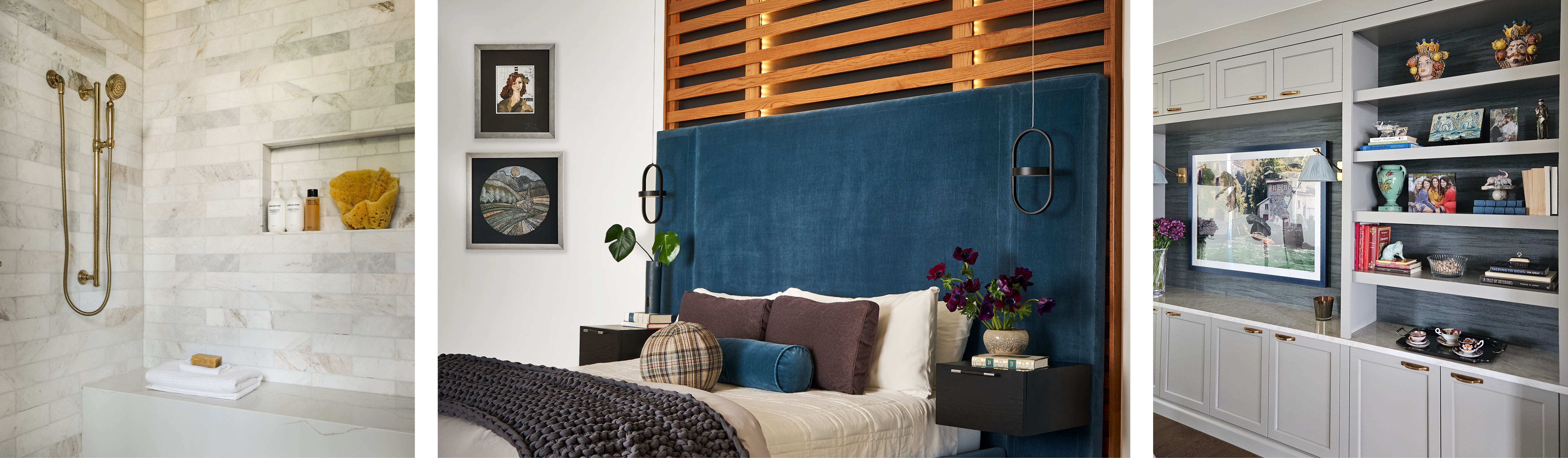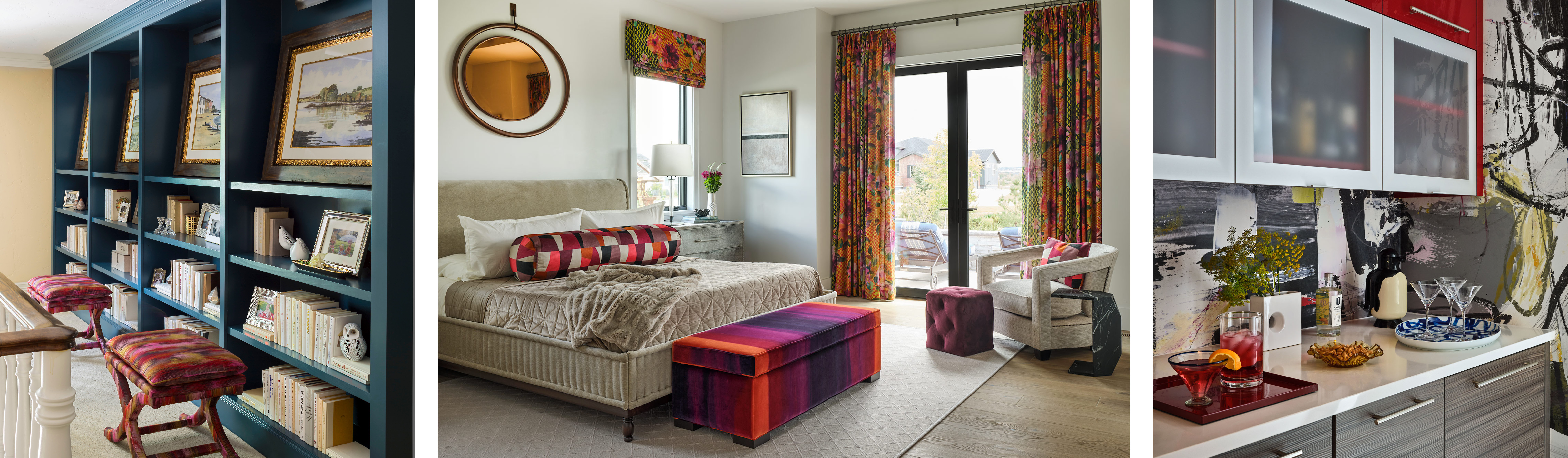
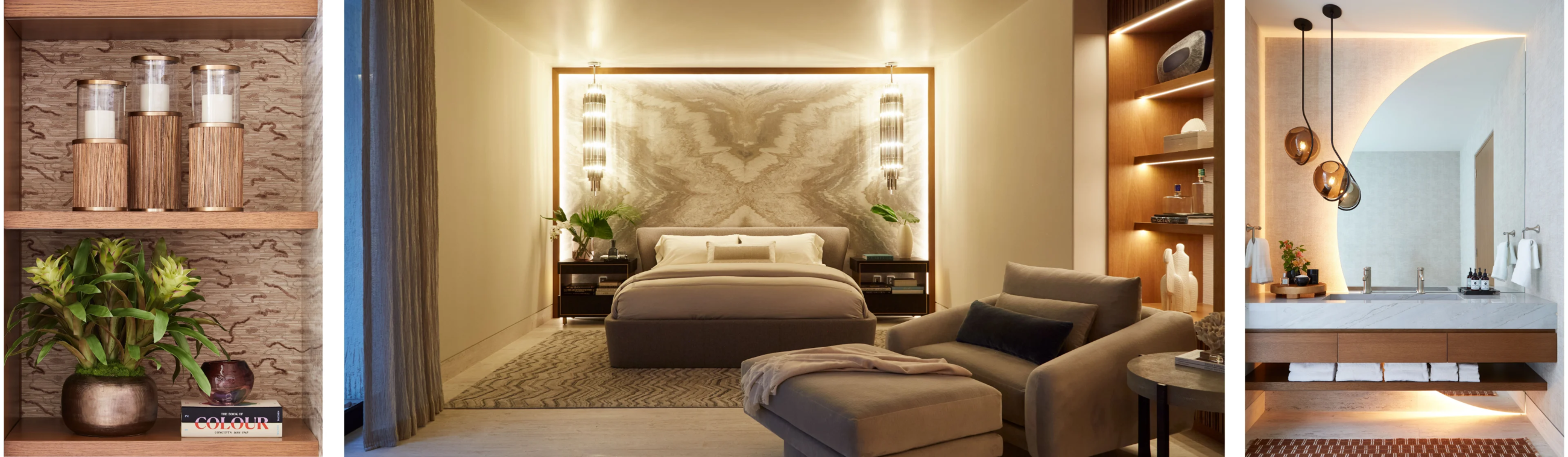
Designing a home isn’t just about picking pretty things, it’s a thoughtful journey that turns your ideas into a space that works for your life and feels like home. Whether you’re starting fresh with a new build or updating your current space, knowing what to expect from the interior design process can make everything less stressful and way more exciting.
At Duet Design, we take a clear, step-by-step approach to make sure nothing gets missed, and every detail is done right. In this blog, we’ll walk you through the 7 interior design phases that take you from the first meeting to the moment you step into your finished home.
Step 1: The First Conversation, Consultation
The interior design process starts with something simple but powerful: a conversation. This first step sets the foundation for the entire project, and it’s more important than most people realize.
During the consultation, you’ll sit down with your interior designer to talk about your lifestyle, your goals, and what really matters to you in your home. This isn’t just about style preferences like “modern” or “traditional”, it’s about how you actually live.
Here are a few examples of what might come up:
- Do you work from home full-time? Maybe you need a quiet, functional office space that doesn’t feel boring.
- Do you love to entertain? That might mean creating a kitchen that flows into your living room, or a dining room that can seat a crowd.
- Are you downsizing or planning for a growing family? Your floor plan needs to match your life now and adapt in the future.
- Do you have pets? Kids? Aging parents who visit? These details matter more than you think.
A good designer won’t just ask about your favorite colors, they’ll ask how you wake up, how you wind down, and what frustrates you in your current space. This helps them design something that truly works for you.
You might be wondering:
“Do I need to bring anything to this first meeting?”
No need to come with a fully formed vision, but if you have:
- A Pinterest board
- Inspiration photos
- Notes on things you’ve loved or hated in past homes
Bring them! The more honest and detailed the conversation is, the better the outcome.
Why It Matters
According to the National Kitchen & Bath Association, homeowners who work with a professional designer report 30% higher satisfaction with their projects than those who don’t. That’s a big number, and it makes sense.
Starting with a thoughtful consultation gives your project a clear direction. It also helps avoid costly mistakes later. This step makes sure everyone’s on the same page before any design work, or spending, begins.
At Duet Design, we see the consultation as more than a meeting. It’s the beginning of a relationship built on trust, communication, and shared vision.
Step 2: Creating the Vision, Concept Development
Once your designer understands your needs, lifestyle, and goals, it’s time to start imagining what your space could look like. This is one of the most exciting parts of the interior design process, and it’s often where clients start to see things come to life.
We call this phase Concept Development. Think of it as the “dream and explore” stage.
Here’s what usually happens:
- Mood Boards: These include images, textures, color palettes, and material samples to help define the look and feel of your space. This isn’t just about aesthetics, it’s about emotion. How do you want your home to feel when you walk in?
- Rough Floor Plans or Layout Sketches: Your designer might sketch out how rooms could be arranged or how furniture might flow through a space.
- Design Direction: This is the big-picture theme. Are you leaning toward clean and modern? Warm and classic? Bold and dramatic? These choices help guide future decisions.
This is also when your designer will introduce ideas you may not have considered, like changing the layout of a room, removing a wall for better flow, or using materials that are both beautiful and durable.
What Clients Often Ask:
“Is it too early to talk about furniture or colors?”
Not at all! You’re not locking anything in yet, but it helps your designer understand your preferences. That way, they can start creating a vision that aligns with your taste.
“What if I don’t know my style?”
That’s totally fine. Part of the designer’s job is to help you discover it. We ask thoughtful questions, show you examples, and pay attention to what excites you (or doesn’t).
Why This Phase is Important
Concept Development is where imagination meets strategy. Instead of jumping straight into buying things, we take time to think it through. This avoids wasted money, decision fatigue, and last-minute changes down the road.
And while it’s creative, this step is also about trust. You’ll see how your designer interprets your ideas. You’ll get a sense of their vision. And together, you’ll decide what direction feels right.
Pro Tip from Duet Design: We don’t believe in copy-paste design. Every client is different, and every home should reflect that. That’s why we spend extra time in this phase making sure the design feels personal, functional, and timeless, not trendy.
Step 3: Nailing the Details, Design Development
Once the big ideas and concepts are in place, it’s time to get down to the details. This part of the interior design process is where we turn your vision into a real, actionable plan. It’s technical, yes, but also incredibly exciting, because this is when you see your future home start to take shape.
What Happens in This Phase:
Final floor plans and elevations are created
These aren’t just sketches, they’re detailed, to-scale drawings that show exactly how everything will fit and flow. We make sure furniture placement, lighting, windows, and circulation all make sense for how you live.
Material selections begin
Now we choose the actual finishes:
- Flooring (hardwood, tile, carpet, etc.)
- Countertops and cabinetry
- Backsplash materials
- Wall colors and finishes
We look at performance, maintenance, and style so everything is both beautiful and practical.
Fixtures and hardware are chosen
This includes lighting (overhead and decorative), plumbing (sinks, faucets, showers), and hardware (doorknobs, handles, drawer pulls). These details might seem small, but they make a huge impact.
Custom pieces are designed
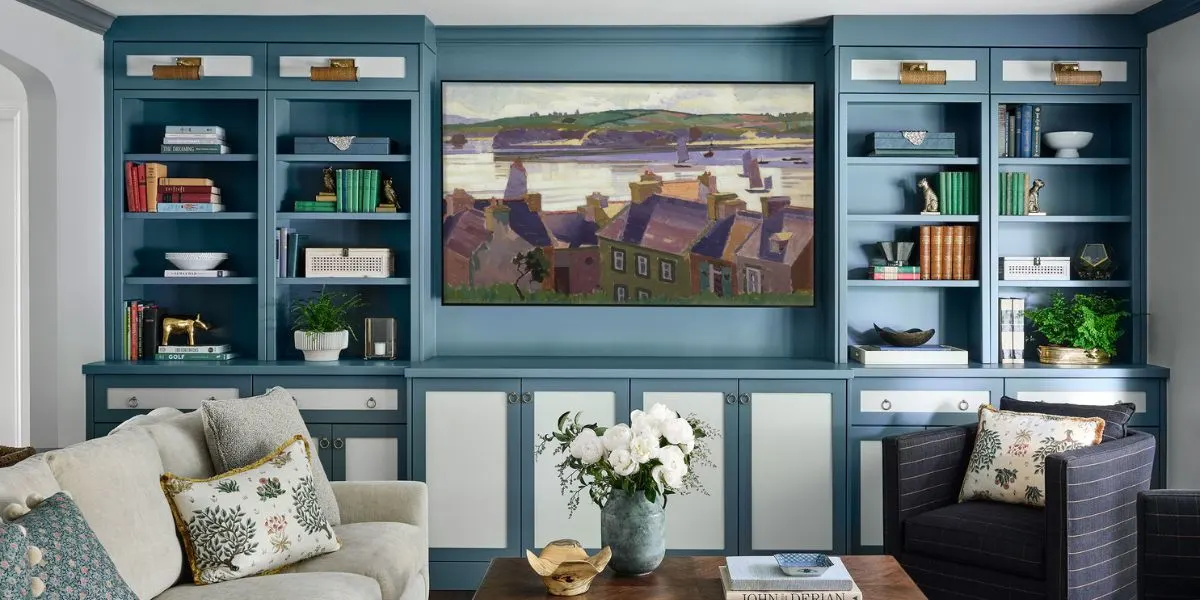
Need a built-in bookcase for your home office? A banquette in the kitchen? A one-of-a-kind dining table? This is where we finalize all the unique elements that make your home truly personal.
Questions Clients Often Ask:
“Do I need to choose everything myself?”
Not at all. Your designer will guide you through options that fit your goals, taste, and budget. You’ll always have the final say, but we make the process simple and less overwhelming.
“What if I change my mind on something?”
It’s totally normal! This phase allows for some flexibility, but once we move into procurement and construction, changes get harder (and more expensive). That’s why we double-check every detail here.
Why It Matters:
According to Houzz, 84% of homeowners say that smart design is more important than square footage. In other words, how your home works matters more than how big it is. A well-designed 2,500 sq ft home can feel more comfortable, functional, and beautiful than a disorganized 8,000 sq ft one.
That’s why we spend extra time making sure every choice, big or small, supports the life you want to live in your space.
Step 4: Procurement, Ordering Everything
Once you’ve approved the full design, we move into the procurement phase. It sounds like a complicated word, but it really just means “buying and managing all the stuff.”
This is a behind-the-scenes step, but it’s absolutely critical to the interior design process. Done right, it keeps your project running smoothly and avoids delays later on.
Here’s What We Do:
Place orders for furniture, lighting, rugs, window treatments, wallpaper, decor, and more.
Track lead times and shipping for each item, especially custom or made-to-order pieces.
Coordinate with vendors and artisans to confirm finishes, dimensions, and delivery schedules.
Manage your budget so we stay on track with costs, while keeping you informed every step of the way.
Why Planning Matters:
Did You Know? Custom furniture can take 10 to 16 weeks (or more) to arrive. That doesn’t include shipping or installation time.
If your designer isn’t planning ahead, your project could end up delayed by months. That’s why our team handles procurement with precision and constant communication.
What Clients Want to Know:
Can’t I just order things myself? You could, but we don’t recommend it. Designers have access to trade-only vendors, better pricing, and most importantly, experience with managing orders and troubleshooting. One wrong measurement or missed fabric detail can throw off the entire room.
What happens if something is backordered? We’ll let you know right away and offer solutions. Sometimes it means waiting for the right piece. Other times, we’ll suggest a smart alternative that still works beautifully in your design.
Step 5: Construction or Renovation, Collaboration is Key
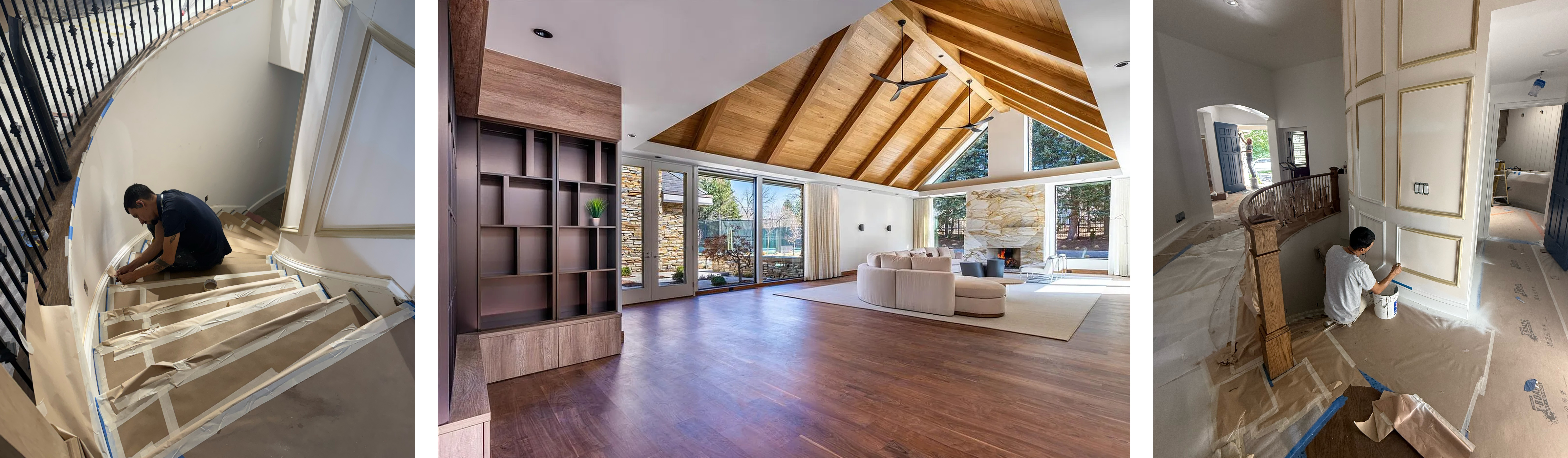
If your project includes building or remodeling, this is where construction begins. That means new walls go up, old ones come down, plumbing and electrical get installed, and everything starts coming to life.
Here’s the part most homeowners don’t realize: this is where design decisions meet reality, and having a designer involved can save time, money, and stress.
At Duet Design, we make this phase seamless because we handle both the design and construction side. That means no confusion between teams, fewer delays, and total accountability from start to finish.
What’s Included:
Site walkthroughs and progress updates to check that everything matches the plan
On-site adjustments, because real life is messy, sometimes things need to shift based on site conditions
Installation checks, making sure tile patterns, lighting locations, and other details are correct
Problem-solving, because even with perfect planning, surprises happen
Important Stat:
Studies show that making changes after construction starts can raise costs by 10–15%. That’s why having your designer involved during this phase helps avoid expensive do-overs.
Do I need to be at the construction site? Nope. We handle the communication, quality checks, and updates for you. Of course, you’re welcome to visit, but we know your time is valuable.
What if I want to change something during construction? It happens! If there’s a better idea or a necessary fix, we’ll talk it through with you and the contractor. Our job is to protect your investment while staying flexible when it matters.
Why This Step Matters:
A lot of homeowners hire a designer and a builder separately, and that can lead to finger-pointing or miscommunication. But at Duet, our teams work together from day one, so nothing gets lost in translation.
This phase is where the dream becomes real. And with the right design-build team, it can be a smooth, exciting part of your journey.
Step 6: Installation, The Big Moment
After months of planning, designing, and building, it’s finally time to bring your space to life. This is the moment most clients look forward to the most, and for good reason. You’ve seen mood boards and floorplans, touched fabric samples, and made countless decisions. Now, everything comes together.
At this stage of the interior design process, your space officially shifts from “construction zone” to “complete home.”
What Happens During Installation?
White-glove delivery
Your furniture and decor are carefully delivered, unboxed, inspected, and placed. We use white-glove services to make sure every item arrives clean, damage-free, and ready to go.
Styling and finishing touches
This is where the personality of your home really shines. We layer in the final details:
- Decorative pillows and throws
- Books and personal accessories
- Artwork, lighting, plants, and fresh flowers
Everything is styled with intention to make the home feel lived-in, not staged.
Room-by-room walkthroughs
We inspect each space to confirm that every element, from chair placement to lighting angles, works as intended. If anything feels off, we adjust it on the spot.
Do I need to be home during installation? You’re welcome to be, but it’s not required. Many clients love the surprise of walking into a fully finished space at the end, like a personal reveal moment.
Can I add personal items or make changes later? Absolutely. This is your home, and we want it to feel like you. We leave space for your family photos, favorite books, and keepsakes. Plus, we’re happy to come back and tweak things later if needed.
Why This Step Matters
Installation isn’t just about setting down furniture, it’s about creating flow, warmth, and functionality. At Duet Design, we don’t stop until your space feels right.
That means thinking about how you live:
- Where do you drop your keys?
- Where do you unwind after work?
- How does your morning routine move through the house?
Design is about solving real problems with beautiful solutions, and this is where it all comes together.
Step 7: The Final Walkthrough, Completion
The last step of the interior design process is all about refining and supporting. Your space is technically complete, but we’re not walking away just yet.
The final walkthrough ensures that every detail is finished, every question is answered, and you feel totally at home in your new space.
What to Expect:
Final punch list
We walk through the home together and note any last-minute fixes, like a cabinet that needs adjusting or a missing outlet cover. These small details matter, and we make sure everything is perfect.
Care and maintenance instructions
Not sure how to clean your marble countertops? Want to know how often to oil your wood floors? We give you easy-to-follow care tips so your home stays beautiful long after move-in day.
Warranties and documentation
We provide all the paperwork for your custom pieces, appliances, and any warranties that come with your materials or finishes. You’ll know what’s covered and for how long.
Ongoing support
Questions don’t end once the project is over, and neither does our partnership. Whether it’s adjusting furniture, adding seasonal decor, or starting a second home project down the road, we’re here when you need us.
Clients Often Ask:
What if something breaks or I need help later? We’re always just a phone call or email away. Many of our clients stay in touch for years. We’ve even designed homes for their adult children or helped with future vacation homes.
Is this really the end of the project? Technically, yes, but in reality, this is the beginning of long-term trust. We don’t just design one room and move on. We build lasting relationships with our clients.
Why Understanding the Interior Design Phases Matters
It might be tempting to skip steps, rush decisions, or jump straight to the “fun stuff,” but doing so often leads to stress, delays, and regret. The interior design phases exist to guide you through a complex journey with confidence, clarity, and creativity.
Here’s why each step matters, and what many clients don’t realize at first:
Every decision affects five others
Changing a light fixture may mean adjusting ceiling height, rewiring electricity, or altering furniture layout. That’s why it’s important to make decisions in the right order.
Lead times are longer than you think
Custom sofas can take 12–16 weeks. Handmade tile may need 10 weeks. And some materials go on backorder. With proper planning, we manage timelines so nothing falls through the cracks.
Trade coordination is complex
Behind every beautiful space is a team of electricians, painters, plumbers, furniture makers, and installers. Your designer is the quarterback, making sure every play happens in sync.
Good design isn’t just about taste, it’s about trust
At Duet Design, we don’t just design for today. We create legacy homes that will serve your family for years to come. That requires more than good taste, it requires timing, teamwork, precision, and vision.
Ready to Design with Purpose?
At Duet Design, we believe that great homes aren’t rushed, they’re built through process, care, and craft. Whether you’re designing your last home, your family hub, or a legacy property, we’re here to guide you every step of the way. Want to learn more? Explore our interior design services or contact us today to start the conversation.