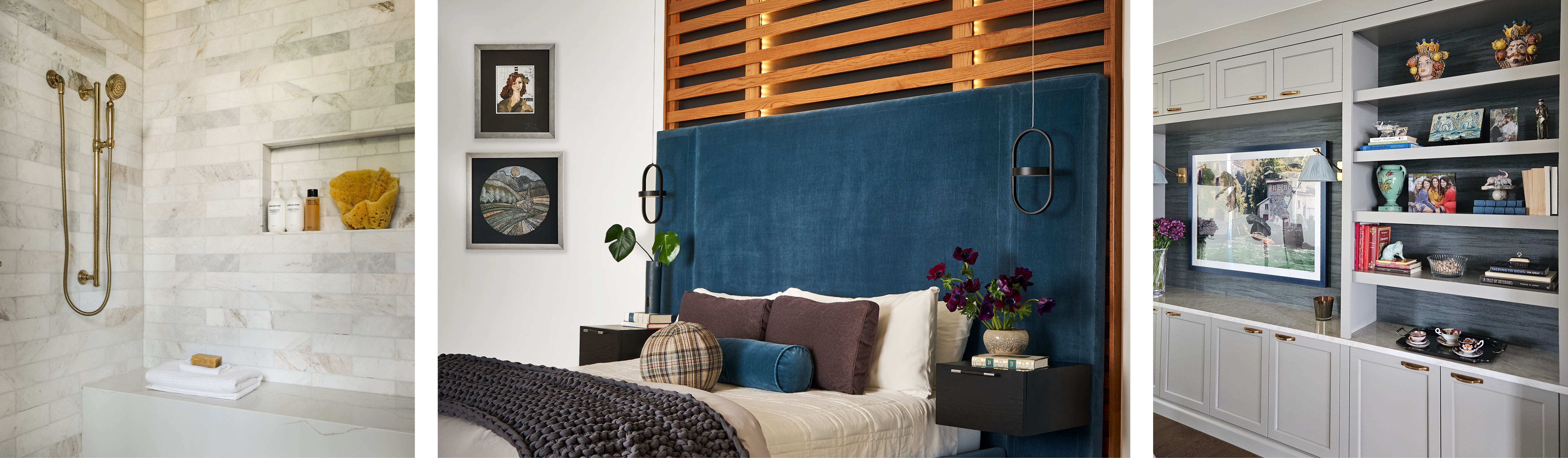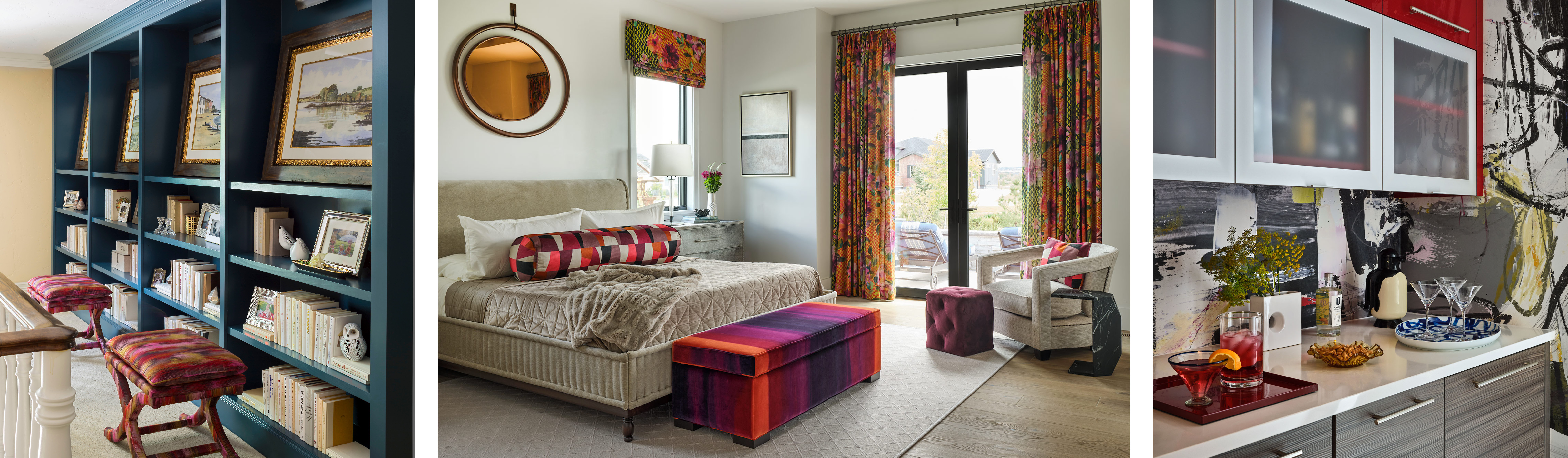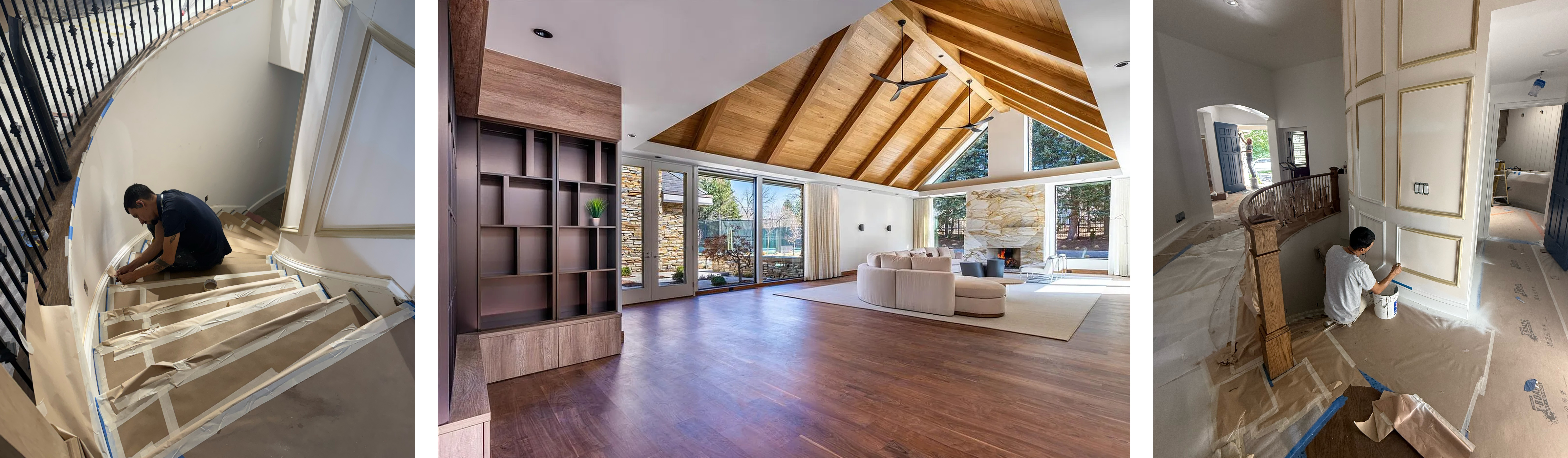
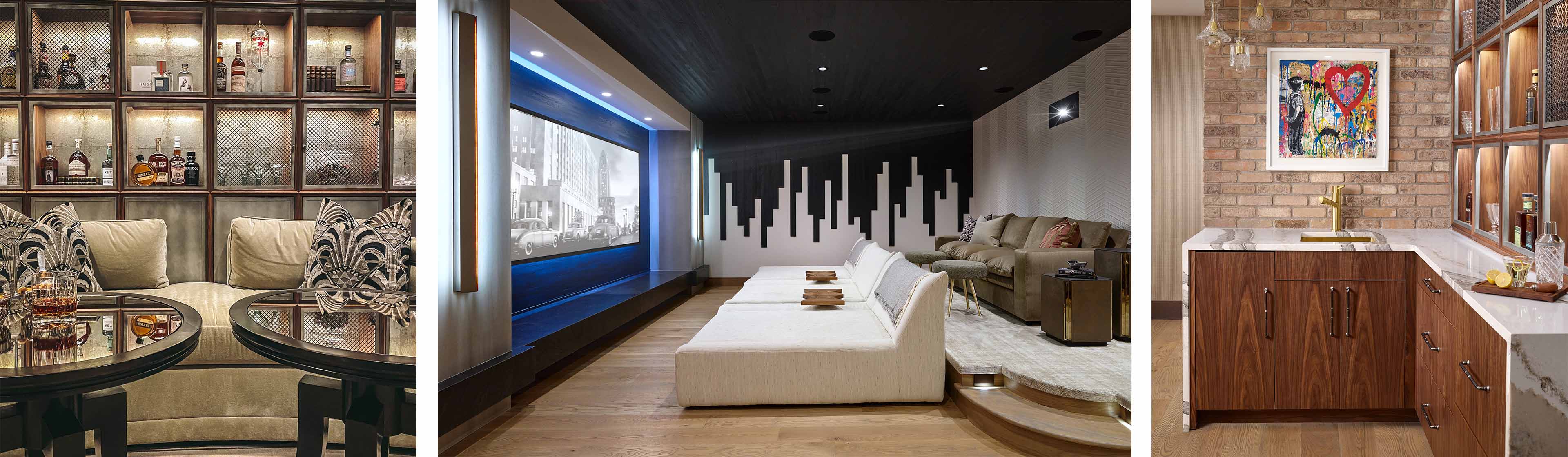
Luxury entertaining is often associated with visible design elements: a dramatic kitchen island, an expansive dining room, or large sliding doors that open onto a beautifully designed terrace. While those features certainly contribute to the experience of a home, they are rarely what makes a space truly successful for entertaining over time.
The homes that function best for gathering are usually shaped by something less obvious. They are shaped by thoughtful planning.
A well-designed home allows people to move naturally through the space. Guests understand where to gather without needing direction. Conversations unfold comfortably. The home feels calm and welcoming even when full. Nothing feels forced or overcrowded because the layout itself has been carefully considered.
This is why designing a home for entertaining involves much more than aesthetics alone. It requires understanding how people live, move, host, and connect on a daily basis. It also requires designing with long-term function in mind rather than focusing only on what feels visually impressive in the moment.
At The Duet Group, we believe entertaining spaces should feel deeply personal to the people living there. The strongest homes are not built around trends or formulas. They are built around lifestyle, rhythm, and how the homeowner wants to experience everyday life for years to come.
Why Entertaining Design Matters Beyond Hosting
Many homeowners think entertaining design only matters if they host large parties regularly. In reality, the same planning decisions that improve entertaining also improve daily living.
A kitchen designed for conversation creates stronger family interaction during ordinary evenings at home. A thoughtful floor plan reduces stress during busy mornings. Comfortable transitions between indoor and outdoor spaces encourage people to use more of the home throughout the year.
In many ways, entertaining design is really about creating ease.
Today’s homes are expected to support far more than they once did. Many homeowners are balancing remote work, wellness routines, overnight guests, adult children returning home, aging parents, or multi-generational gatherings all within the same environment. Rooms need to function flexibly without losing a sense of comfort or refinement.
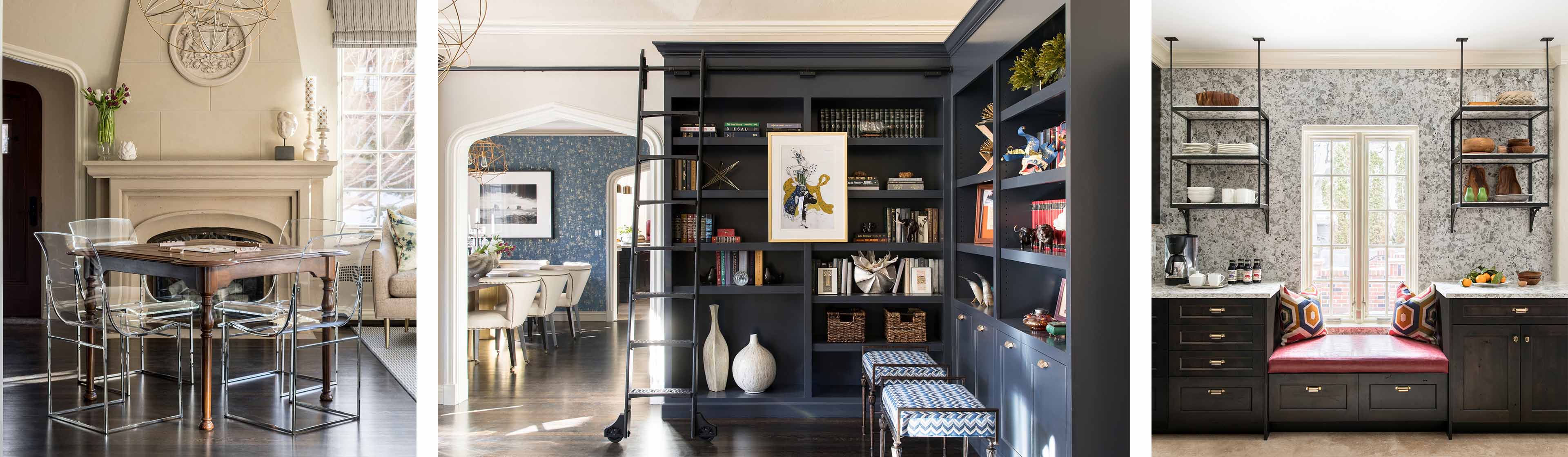
Homes Need to Support Multiple Functions
This is especially important for homeowners navigating major life transitions. A couple entering retirement may want a home that supports frequent family visits while still feeling manageable day to day. Parents whose children have moved out may begin hosting more holidays and extended gatherings. Others may want spaces that feel intimate for everyday living while still accommodating larger social events comfortably.
The strongest homes are designed to evolve alongside those changes rather than struggle against them.
Entertaining Is Part of Daily Living
One of the biggest misconceptions about entertaining-focused homes is that they are designed only for special occasions. In reality, the best entertaining spaces improve everyday routines just as much as they improve larger gatherings.
A thoughtful layout creates smoother mornings, calmer evenings, and more natural interaction throughout the day. This is one reason why designing a home for entertaining has become such an important part of long-term residential planning.
Designing a Home for Entertaining Starts With Circulation
One of the most important aspects of designing a home for entertaining is circulation.
Circulation refers to how people move through the home and how rooms connect to one another. While it may sound highly technical, it directly affects how a home feels during both quiet routines and larger gatherings.
Poor circulation creates friction immediately. Guests crowd around the kitchen because pathways are too narrow. Furniture interrupts movement between rooms. Outdoor spaces feel disconnected from the rest of the home.
Strong circulation planning creates the opposite effect. Movement feels natural and intuitive. Guests can gather comfortably without blocking important pathways. Rooms feel connected while still maintaining a sense of order and clarity.
Why Layout Matters So Much
At Duet, circulation planning begins very early in the design process because it influences nearly every aspect of the home later on.
Before discussing finishes or furniture, we often focus on understanding how the client wants to live within the space. Some homeowners host large family holidays several times a year. Others prefer intimate dinners or smaller gatherings centered around conversation.
These lifestyle details shape the layout itself.
For example, a homeowner who frequently hosts extended family may benefit from multiple seating areas that allow conversations to happen simultaneously without competing for space. A client who entertains professionally may require stronger separation between service areas and guest-facing spaces.
This level of planning creates homes that feel effortless because they are designed around real behavior rather than generic floor plans.
Designing Flow Between Rooms
One of the clearest signs of strong circulation is that the home feels easy to navigate without drawing attention to itself.
Guests should naturally understand where to gather, where to move, and how the spaces connect. The best layouts quietly guide people through the home without creating congestion or confusion.
That often requires careful consideration of hallway widths, furniture placement, entry points, and transitions between public and private spaces.
Open Concept Living Is Becoming More Intentional
For many years, open concept layouts dominated residential design. Large uninterrupted spaces became associated with modern luxury and entertaining.
While openness can certainly create connection, many homeowners are beginning to realize that removing every boundary does not always improve how a home functions long term.
The Downsides of Fully Open Layouts
Completely open spaces often create challenges that become more noticeable over time. Noise carries throughout the house. Clutter becomes highly visible. Multiple activities compete with one another. Rooms lose intimacy, especially during smaller gatherings or everyday living.
As a result, many thoughtfully designed homes are moving toward a more balanced approach.
Creating Definition Without Closing Off Spaces
Instead of one oversized room serving every function, spaces are now being layered more intentionally. Rooms remain visually connected while still maintaining subtle definition through architecture, lighting, millwork, ceiling details, or furniture placement.
A kitchen may flow openly into the living room while still feeling distinct enough to support cooking and cleanup comfortably. A dining room may remain connected to nearby gathering areas while creating a stronger sense of intimacy during meals.
This layered approach often creates homes that feel more comfortable over time because the spaces can support different moods and routines simultaneously.
Entertaining Space Design Should Feel Flexible
One of the most common mistakes homeowners make is designing entertaining spaces only for large events.
A room that works beautifully for twenty guests may feel cold and oversized during everyday life. On the other hand, spaces designed only for quiet routines may feel crowded or disorganized during larger gatherings.
Strong entertaining space design creates flexibility between both experiences.
Designing for Small and Large Gatherings
This often comes down to proportion rather than size alone. Thoughtfully designed homes usually include multiple smaller gathering areas instead of relying on one oversized seating arrangement. These layered spaces help the home feel welcoming whether two people are present or twenty.
The same philosophy applies throughout the home. Dining spaces should feel comfortable during ordinary family dinners while still accommodating guests naturally.
Why Flexibility Matters Long Term
Flexibility also helps the home evolve over time. Families grow, routines change, and entertaining styles shift. Spaces that can adapt gracefully tend to feel more functional for much longer.
This is especially important for homeowners thinking about long-term value and legacy rather than short-term trends.
The Kitchen Has Become the Social Center of the Home
In many homes today, the kitchen has become the center of entertaining.
Guests naturally gather around food, conversation, and activity. Because of this, kitchen design now affects much more than cooking alone. It shapes how people interact throughout the home.
A Beautiful Kitchen Still Needs to Function Well
A visually impressive kitchen can still function poorly if circulation and layout are not carefully considered. Oversized islands may block movement. Appliance placement can create congestion. Limited prep space often leads to clutter during gatherings.
When designing a home for entertaining, the kitchen should support movement and connection simultaneously.
The Rise of Prep Kitchens and Sculleries
One feature becoming increasingly valuable is the secondary prep kitchen or scullery.
These support spaces allow homeowners to prepare food privately while keeping the main entertaining kitchen visually composed. They also make larger gatherings feel significantly more manageable because cleanup, catering support, and food preparation can happen separately from the primary social areas.
Over time, these spaces often become some of the most functional and appreciated parts of the home.
Indoor-Outdoor Living Needs to Feel Seamless
Outdoor entertaining has become increasingly important for many homeowners, particularly in lifestyle-focused markets where climate and scenery encourage year-round use.
However, creating successful indoor-outdoor flow requires much more than installing large glass doors.
Creating a Natural Transition
The transition itself needs to feel natural. Furniture placement, circulation paths, lighting, material transitions, and sightlines all need to work together cohesively.
When outdoor spaces are disconnected from the rest of the home, entertaining often feels fragmented. Guests hesitate to move between areas, and the flow of the gathering becomes interrupted.
Outdoor Spaces Should Support Daily Life Too
Thoughtful integration creates a very different experience. Outdoor living begins to feel like an extension of the architecture itself rather than a separate zone added afterward.
This not only improves entertaining but also expands how the home functions on a daily basis. Outdoor spaces become part of ordinary routines instead of areas used only occasionally.
Acoustics Quietly Shape the Experience of a Home
Acoustics are one of the most overlooked aspects of entertaining space design.
A room may look beautiful visually but still feel uncomfortable if sound is not managed properly. Large open spaces with hard surfaces often create echo and conversational fatigue, especially during gatherings.
Why Sound Matters in Luxury Homes
Over time, poor acoustics can make even well-designed homes feel stressful. Conversations become difficult. Noise travels too easily between spaces.
Thoughtful acoustic planning creates comfort quietly in the background.
Materials Play a Major Role
Upholstered furniture, rugs, drapery, millwork, ceiling treatments, and spatial separation all contribute to a softer and more comfortable sound environment.
These details may seem subtle initially, but they dramatically affect how people experience the home emotionally.
Lighting Changes How a Space Feels
Lighting has a tremendous impact on entertaining because it directly shapes atmosphere.
Many homes rely too heavily on bright overhead lighting, which can make rooms feel harsh or flat. Thoughtful lighting design creates depth, warmth, and flexibility instead.
Layered Lighting Creates Better Atmosphere
Strong entertaining environments usually rely on layered lighting. Ambient lighting creates general illumination while accent lighting adds warmth and dimension throughout the room.
Decorative fixtures create visual focus, and task lighting supports functionality in kitchens and work areas.
Natural Light Matters Too
Window placement, solar orientation, and seasonal light changes all influence how spaces feel throughout the day.
A well-designed home transitions naturally from bright daytime routines to softer evening gatherings without feeling abrupt or uncomfortable.
Designing for Long-Term Function
Trend-focused entertaining spaces often age quickly because they prioritize appearance over usability.
Homes designed around real lifestyle patterns tend to remain functional and relevant much longer.
Planning Beyond Today
At Duet, we often think carefully about how a home will perform years from now, not just immediately after completion.
That means considering how entertaining needs may evolve alongside changes in family structure, wellness priorities, retirement, aging in place, and long-term maintenance.
Designing Around Legacy
For many homeowners, entertaining is deeply connected to legacy. The home becomes a place where traditions are built, holidays are celebrated, and multiple generations gather together over time.
That requires a different level of planning than simply creating visually impressive spaces.
Designing a Home for Entertaining
Designing a home for entertaining is ultimately about creating spaces that support connection, comfort, and everyday livability.
The most successful entertaining environments are rarely the loudest or most trend-focused. They are the homes that feel intuitive beneath the surface. Movement feels effortless. Rooms adapt naturally to different situations. Gathering spaces feel welcoming without sacrificing privacy or function.
At The Duet Group, we believe great design should support not only how a home looks, but how it lives over time. Whether planning a custom home, large-scale renovation, or whole-home redesign, thoughtful layout and circulation planning create homes that feel deeply personal, highly functional, and enduring for years to come.
To learn more about our integrated design-build process and approach to entertaining-focused design, we invite you to contact Duet Design Group to learn more and explore how intentional planning can shape the way your home supports both daily living and meaningful gathering.