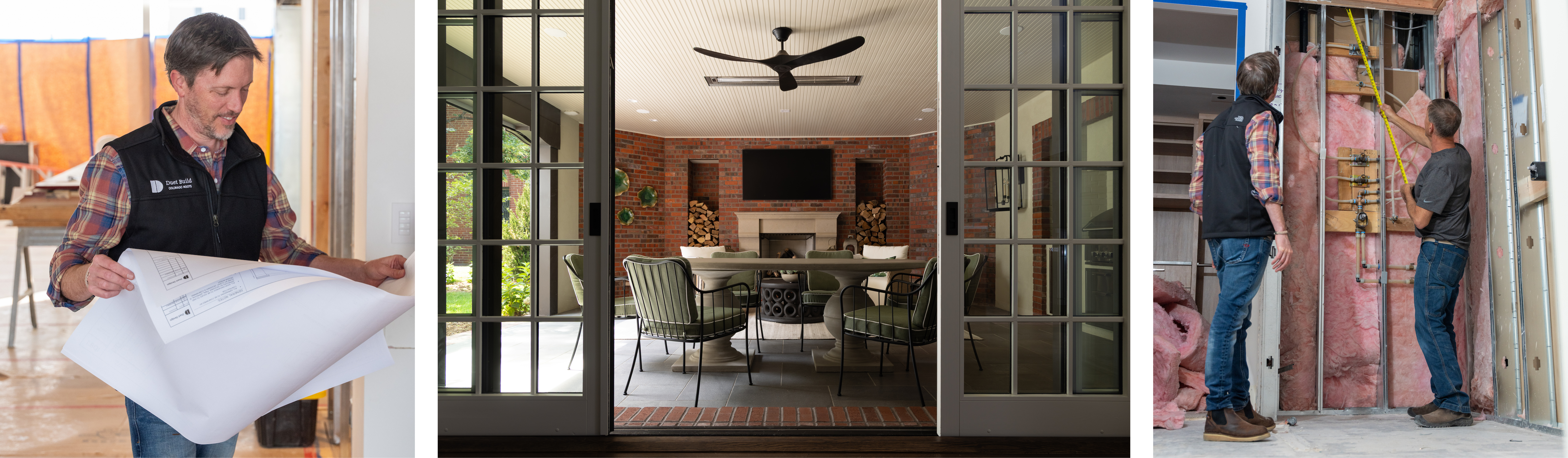
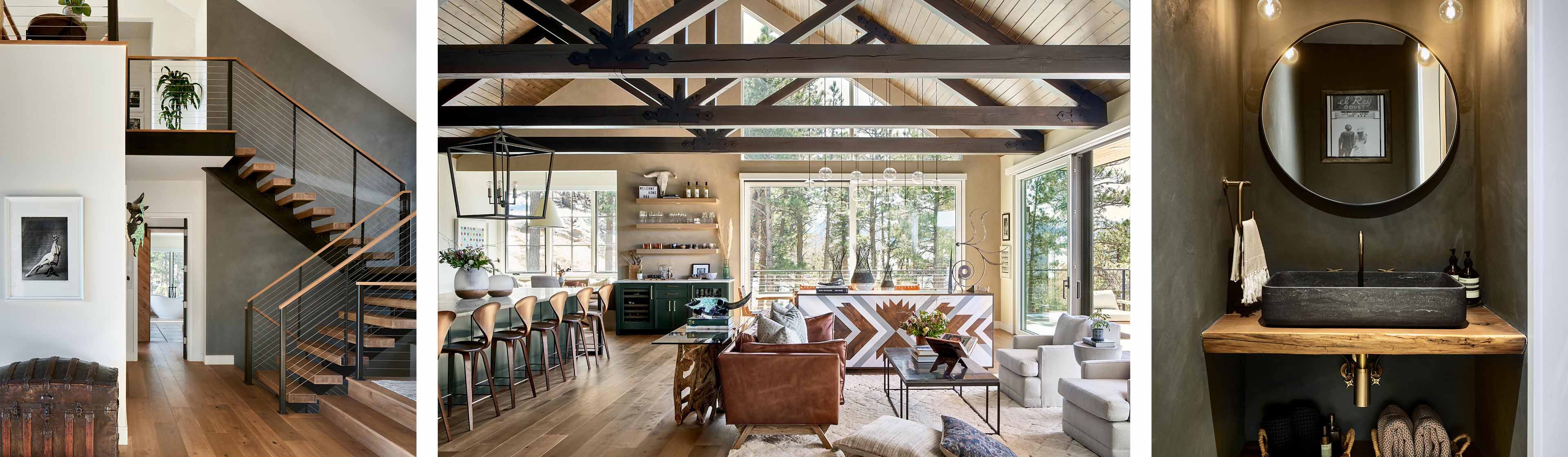
Whole home renovation planning is one of the most important steps in turning your house into a home that truly works for you. It’s easy to get excited about finishes, colors, and design details, but the real success of a renovation comes from what happens before construction even begins.
When design, budget, and construction are aligned early, everything runs more smoothly. You avoid surprises, make better decisions, and end up with a home that feels thoughtful and complete. Whether you’re updating your primary home or planning a long-term investment, a strong plan makes all the difference.
Why Whole Home Renovation Planning Matters
Whole home renovation planning is really about creating a clear path forward. It brings together your ideas, your budget, and the reality of construction into one coordinated plan.
Without this kind of planning, it’s common to run into problems like:
- Designs that end up costing more than expected
- Delays because decisions weren’t made early
- Changes during construction that increase costs
- Miscommunication between teams
Taking the time to plan everything up front helps avoid these issues. It keeps your project focused and makes the entire experience more predictable.
Planning a Home Renovation: Start With How You Live
One of the most important parts of planning a home renovation is starting with your real life, not just your wish list. Many people begin by saving photos, choosing colors, or thinking about finishes. Those things matter, but they should come later. The best renovation plans begin with a simple question: How do you actually live in your home every day?
That question shapes everything else.
A beautiful home that does not function well can quickly become frustrating. On the other hand, a well-planned home can make daily life easier, more comfortable, and more enjoyable for years to come. That is why planning a home renovation should begin with your routines, your needs, and your long-term goals.
Understand Your Daily Life
Before you make decisions about materials, fixtures, or furniture, take a close look at how you use your home now.
Ask yourself:
- Which rooms do you spend the most time in?
- Which spaces feel too small, cluttered, or awkward?
- Where do bottlenecks happen during the day?
- Are there rooms you rarely use?
- Do you need more quiet spaces, or do you want a more open layout for gathering?
These questions may seem simple, but they reveal a lot. A renovation should improve how your home supports your life. That means the design needs to respond to your habits, not just follow a style trend.
For example, if your kitchen is where everyone gathers, that space may deserve more attention than a formal dining room you rarely use. If you work from home, a quiet office may be more valuable than a large guest room. If mornings feel rushed because bathrooms are too small or storage is limited, those daily frustrations should be part of the renovation plan.
This is where thoughtful planning of a home renovation becomes so valuable. It helps you move beyond surface-level ideas and focus on what will truly improve your day-to-day experience.
Look at What Feels Cramped or Inefficient
Most homeowners can quickly name the parts of the house that are not working well. Maybe the mudroom does not have enough storage. Maybe the laundry room feels disconnected from the rest of the home. Maybe the kitchen layout forces everyone into the same narrow walkway.
These issues may seem minor at first, but over time, they affect how the home feels and functions. A whole home renovation creates an opportunity to solve those problems in a meaningful way.
Pay attention to areas where:
- Storage always feels limited
- Traffic flow is awkward
- Furniture placement is difficult
- Lighting is poor
- Rooms serve too many purposes without enough support
When you understand where the friction points are, you can make design decisions that bring more ease and clarity to everyday life.
Think About Privacy and Connection
Another important part of planning a home renovation is deciding how open or private you want different spaces to feel.
Open layouts can be great for entertaining, family connection, and natural light. But they are not always right for every room or every household. Sometimes people want more separation, especially if they work from home, have older children, host guests often, or simply value quiet.
Think about questions like:
- Do you want the kitchen, dining, and living areas to feel connected?
- Do you need a private office with a door?
- Would a more secluded primary suite improve comfort?
- Do you need guest areas that feel separate from everyday living spaces?
A smart renovation plan balances openness and privacy in a way that fits your life. The goal is not to make every room open. The goal is to make every room purposeful.
Think About the Future, Not Just Today
A renovation is a major investment, so it should not only solve current problems. It should also support your life in the years ahead.
That is why thinking long-term is such an important part of planning a home renovation. Your needs may change over time, and your home should be able to adapt.
Consider:
- Will this layout still work in 5 to 10 years?
- Are children growing up and needing different kinds of space?
- Are you planning to host family more often in the future?
- Do you want to age in place comfortably?
- Could your work situation change and require more flexibility at home?
Making decisions with the future in mind often leads to better outcomes. Instead of designing only for the present moment, you create a home that continues to support you as life changes.
Choose Materials With Long-Term Performance in Mind
Thinking long-term also applies to the materials you choose. It is easy to be drawn to what looks good in the moment, but renovation decisions should also consider durability, maintenance, and how the home will age over time.
Ask yourself:
- Are these materials easy to clean and maintain?
- Will they hold up well in high-use areas?
- Do they make sense for children, pets, or frequent guests?
- Will they still feel appealing several years from now?
Timeless does not mean boring. It means choosing materials and design elements that feel lasting rather than overly tied to a short-lived trend. Natural materials, balanced proportions, and thoughtful detailing often age better than choices based mainly on what is popular right now.
This approach can also protect the long-term value of your home. A design that feels grounded, functional, and well-made tends to remain attractive over time.
Why Lifestyle-Based Planning Leads to Better Results
When planning a home renovation starts with how you live, the final result usually feels more personal and more successful.
Instead of asking, “What looks impressive?” the better question is, “What will make this home work beautifully for us?”
That shift changes the process in important ways. It helps you:
- Prioritize the right rooms
- Spend your budget more wisely
- Avoid features you do not really need
- Create a layout that supports daily comfort
- Build a home that feels thoughtful and lasting
In other words, the renovation becomes more than a visual update. It becomes a better way of living in your home.
Aligning Design With Your Budget
One of the most important parts of whole home renovation planning is making sure your design ideas match your budget from the very beginning. This is where many renovation projects either stay on track or start to drift. It is easy to collect inspiration, save beautiful images, and imagine every possible upgrade. But if those ideas are not tied to a realistic budget, the project can quickly become stressful.
A well-planned renovation budget is not meant to limit creativity. It is meant to guide it. When you understand what you can invest in and where that investment will have the most impact, you can make better decisions with more confidence. Instead of constantly second-guessing choices or cutting important details later, you create a plan that feels both exciting and manageable.
The goal is not simply to spend less. The goal is to spend wisely.
Why Budget Alignment Matters Early
The earlier the design and budget are aligned, the smoother the renovation process tends to be. When homeowners wait too long to talk seriously about costs, they often run into problems after they have already become attached to certain ideas. That is when difficult decisions happen. Plans may need to be scaled back, materials may need to change, or timelines may shift.
Starting with budget alignment helps prevent that. It allows the design process to move forward in a way that is grounded in reality. It also helps your team recommend options that fit your goals without wasting time on choices that are outside your comfort range.
This is especially important in a whole-home renovation, where the number of moving parts is much larger. You are not just choosing one finish or updating one room. You are making decisions across the entire house, and those decisions affect one another.
For example, spending more in one area may mean simplifying another. Expanding a kitchen may affect adjacent rooms. Choosing a custom finish may add both cost and lead time. These are not necessarily problems, but they need to be understood early so the project stays balanced.
Know What Impacts Cost
Every design decision affects cost in some way. Some choices have a small impact, while others can change the scope of the project in a major way. That is why it helps to understand what drives renovation costs before plans are finalized.
One of the biggest cost factors is the layout change. Keeping plumbing, walls, and major systems where they are is usually more cost-effective. Once you begin moving kitchens, bathrooms, staircases, or structural walls, the complexity increases. You may need engineering, new permits, additional labor, and more time on site.
Custom work also tends to increase cost. Custom cabinetry, specialty millwork, built-in storage, and one-of-a-kind design details can be beautiful and worthwhile, but they usually require more labor, longer fabrication times, and a higher level of coordination.
Material selection is another major factor. Natural stone, premium hardwoods, handmade tile, designer fixtures, and luxury appliances can elevate a home, but they also increase the budget. In some cases, the material itself is not the only issue. Installation may also cost more, especially if the product requires specialized labor or has longer delivery times.
Age and condition of the home matter too. In an older house, you may discover outdated wiring, plumbing issues, uneven framing, water damage, or code-related upgrades that were not obvious at the start. These conditions are common in renovation work, which is why contingency planning is so important.
Common Renovation Choices That Can Raise Costs
Homeowners often ask what decisions tend to have the biggest effect on budget.
While every project is different, a few updates usually come with a noticeable cost increase:
- Removing or relocating walls
- Moving kitchens or bathrooms
- Adding custom cabinetry or built-ins
- Choosing premium or specialty materials
- Replacing windows and exterior doors
- Updating electrical, plumbing, or HVAC systems
- Changing flooring throughout the house
- Adding structural reinforcements
- Extending timelines with late design changes
This does not mean you should avoid these choices. It simply means they should be made with clear expectations.
Build a Clear and Complete Budget
A renovation budget should be detailed enough to reflect the full picture of the project. Many homeowners make the mistake of thinking only about construction costs, but a whole home renovation includes much more than that.
A strong budget should include:
- Design and planning fees
- Architectural or drafting work, if needed
- Construction and labor costs
- Materials and finishes
- Appliances and fixtures
- Permits and approvals
- Site preparation or demolition
- Contingency funds for hidden conditions
- Furnishings or styling, if part of the project
- Temporary living costs if you need to move out during construction
Looking at the full picture helps you avoid surprises and make decisions more strategically. It also gives you a better understanding of where your money is going.
A contingency fund is one of the most important parts of this budget. Renovations often uncover conditions that are impossible to fully predict before work begins. A hidden plumbing issue, outdated framing, or structural repair can affect both cost and timing. Having a contingency in place helps you handle those issues without throwing the entire project off balance.
How Much Contingency Should You Plan For?
A common question homeowners have is how much extra room they should leave in the budget. The exact amount depends on the age of the home, the complexity of the renovation, and how much demolition is involved. In many cases, setting aside a percentage of the overall project cost for unexpected issues is a smart move.
Older homes and larger renovations often need more flexibility because there are simply more unknowns. If the house has not been updated in a long time, hidden issues are more likely.
The most important thing is not the exact percentage. It is the mindset. A contingency fund should be treated as part of responsible planning, not as optional padding.
Focus on What Matters Most
Not every part of the home needs the same level of investment. One of the smartest things you can do during whole home renovation planning is identify what matters most to your daily life and direct your budget there.
This might mean prioritizing:
- A better floor plan
- Improved natural light
- A more functional kitchen
- Higher-quality windows and doors
- Durable flooring throughout main living areas
- Better storage solutions
- A more comfortable and private primary suite
These kinds of choices tend to improve both how the home feels and how it functions. They often deliver more long-term value than spending heavily on decorative details alone.
For example, a well-planned kitchen layout may matter more than the most expensive backsplash. Better circulation through the house may improve your daily experience more than adding extra trim detail in every room. Strong foundational decisions usually have the biggest impact.
Where It Often Makes Sense to Invest More
When homeowners are trying to prioritize, it often makes sense to invest more in areas that affect daily life the most.
These may include:
- Kitchens
- Primary bathrooms
- Main living areas
- Entry sequences
- Storage and cabinetry
- Flooring used throughout the home
- Lighting that supports both function and atmosphere
These are the spaces and features you interact with every day. They also tend to shape how the home feels as a whole.
Where You May Be Able to Simplify
A balanced budget does not mean cutting corners. It means being intentional. In some spaces, simpler choices can still look refined and feel appropriate.
You may be able to simplify in:
- Secondary bathrooms
- Guest rooms
- Laundry spaces
- Basement finishing details
- Decorative accents that do not affect function
- Less visible material upgrades
This approach allows you to create a home that feels cohesive without overspending in every single area.
Ask Better Questions During the Design Process
One of the best ways to keep your design aligned with your budget is to ask thoughtful questions early. Homeowners often feel pressure to choose quickly, but asking the right questions can lead to better outcomes.
Helpful questions include:
- What is driving the cost of this decision?
- Is there a more cost-effective way to achieve a similar look or function?
- Is this a must-have or a nice-to-have?
- Will this choice improve daily life in a meaningful way?
- Does this upgrade support long-term value?
- Are there hidden costs tied to this selection, such as installation or lead time?
These questions help move the project forward with more clarity and less guesswork.
Why Late Changes Are So Expensive
Another common question is why changes during construction cost so much more than decisions made during planning. The answer is simple: once work begins, even small changes can affect labor, materials, scheduling, and coordination.
For example, changing a tile selection after installation has been scheduled may affect delivery, labor sequencing, and related finish work. Moving a wall after framing begins can affect electrical, flooring, trim, and paint. A change that seems simple on paper often has a ripple effect on the job site.
That is why early decision-making is so valuable: the more choices that are finalized during planning, the fewer disruptions that happen later.
Design With Real Priorities, Not Just Inspiration
Inspiration is useful, but it should not be the only thing shaping your renovation. Beautiful images can help communicate style, but they do not always reflect your budget, your home’s structure, or the way you actually live.
A successful renovation comes from translating inspiration into a plan that fits your priorities. That may mean choosing a simpler finish palette so you can invest more in layout. It may mean limiting custom features to a few meaningful areas rather than using them everywhere. It may mean selecting materials that are elegant and durable rather than simply expensive.
That kind of editing is not a compromise. It is part of good design.
Why Design and Construction Should Work Together
A Better Way to Plan
One of the biggest advantages in whole home renovation planning is having your design and construction teams work together from the start.
When they don’t, problems can come up, like:
- Designs that are difficult or expensive to build
- Missed opportunities to save time or money
- Delays from last-minute changes
When everyone is aligned early, the process becomes much more efficient.
What You Gain From Early Collaboration
- More accurate budgets and timelines
- Fewer surprises during construction
- Better communication across the team
- A smoother overall experience
This kind of teamwork leads to better results and a more enjoyable process.
Planning a Home Renovation: Step-by-Step
Step 1: Discovery and Ideas
This is where everything starts. You’ll:
- Review your current home
- Talk through your goals and needs
- Explore initial design ideas
The focus is on setting direction before getting into details.
Step 2: Design Development
Next, the design becomes more detailed:
- Floor plans are refined
- Materials and finishes are selected
- Structural and technical details are addressed
At this stage, you get a clearer picture of both design and cost.
Step 3: Pre-Construction Planning
Before building begins, everything is finalized:
- Construction drawings are completed
- Permits are secured
- The project timeline is mapped out
This step helps prevent delays once construction starts.
Step 4: Construction
With a strong plan in place, construction moves forward more smoothly:
- Work is coordinated across different trades
- Progress is monitored closely
- Communication stays consistent
The result is a more organized and predictable build.
Managing the Complexity of a Full Renovation
Whole home renovations can be complex, especially when you’re updating an existing structure.
Expect the Unexpected
Older homes often come with hidden issues like:
- Outdated wiring or plumbing
- Structural limitations
- Damage that isn’t visible right away
Planning for these possibilities helps reduce stress if they come up.
Keep Everything Connected
A successful renovation requires different systems to work together, including:
- Structure
- Electrical and plumbing
- Interior design and finishes
Careful coordination ensures everything functions properly and looks cohesive.
Stay True to the Design
During construction, it’s important to stay aligned with the original plan.
This means:
- Regular check-ins on site
- Clear documentation
- Open communication with your team
These steps help make sure the final result matches your vision.
Whole home renovation planning is more than just a first step: it’s the foundation of your entire project. When everything is aligned early, the process feels more organized, and the results are stronger.
You’ll make better decisions, stay on budget more easily, and create a home that feels complete and intentional.
Wrapping It Up: A Smarter Approach to Renovation
A successful renovation starts long before construction begins. By focusing on whole home renovation planning, you create a clear path that guides every decision along the way.
If you’re planning a home renovation and want a process that feels thoughtful, structured, and well-executed, it starts with the right plan and the right team. To learn more or take the next step, explore our services or contact us to begin your renovation journey.