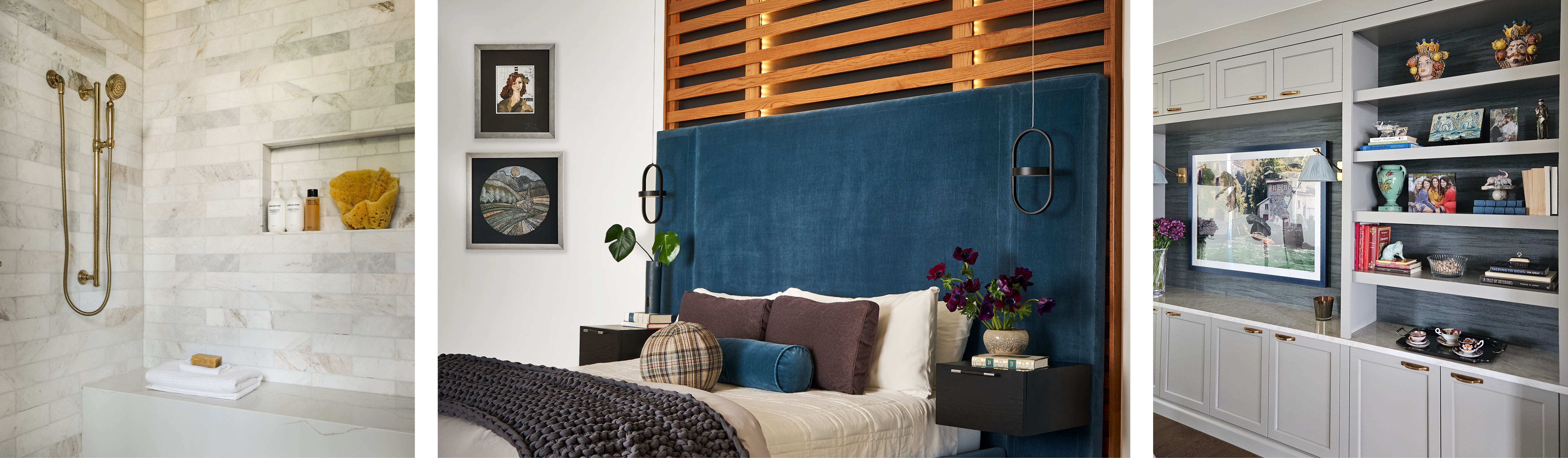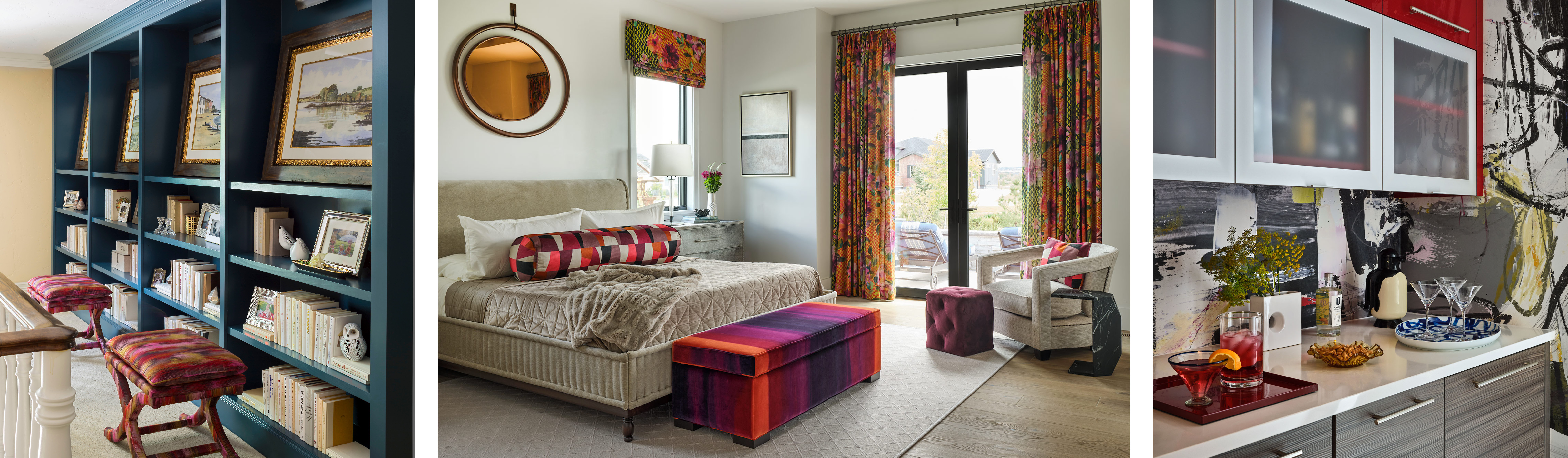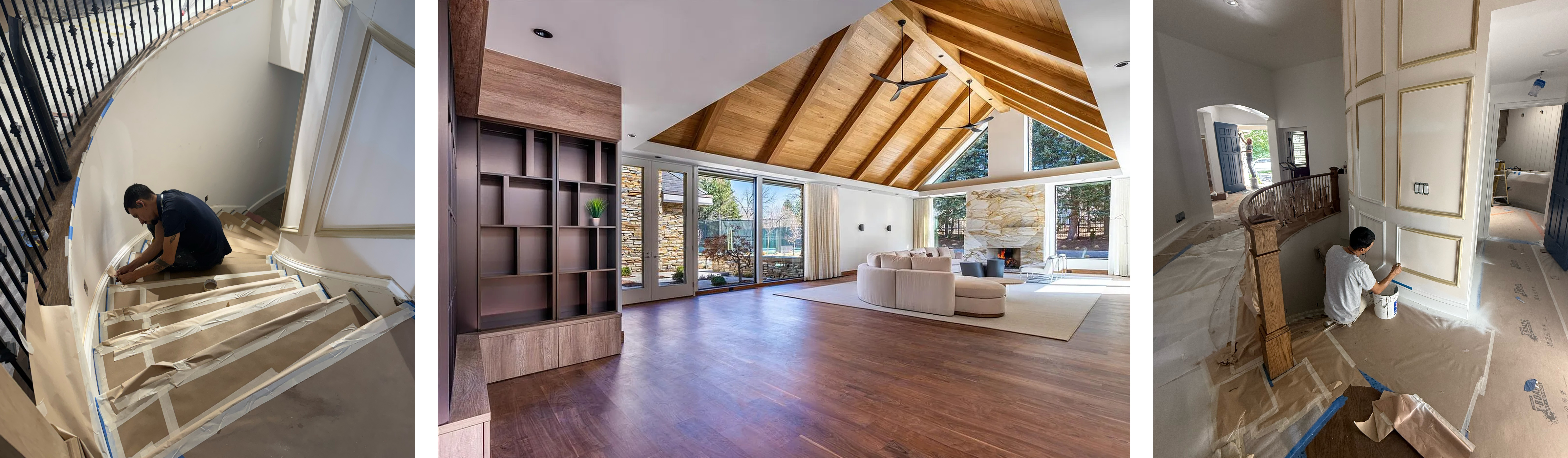
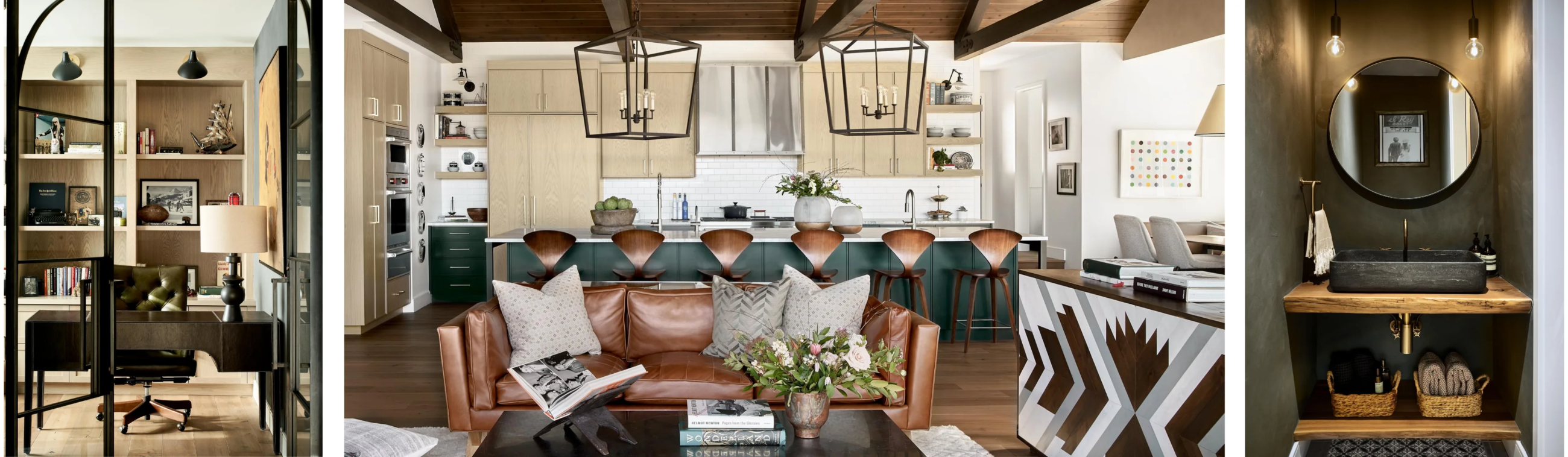
If you’ve ever looked around your home and thought, “This could be better, but I’m not sure how…” then you’ve probably also wondered: how much does an interior designer cost?
It’s a common question, and a smart one. But the answer isn’t always simple. Just like the price of a car depends on the brand, features, and performance, interior design costs depend on who you hire, what you need, and how involved the project is.
In this guide, we’ll break it all down: what you can expect to pay, what you get for your money, and how to tell whether a designer is truly worth the investment. We’ll also share facts most blogs skip, because the real value of hiring an interior designer goes far beyond paint colors and furniture.
What Does an Interior Designer Really Do?
Before we talk about how much an interior designer costs, let’s talk about what they actually do, and why it matters.
Most people picture interior designers picking out throw pillows, paint colors, or trendy wallpaper. And yes, they do those things. But that’s just scratching the surface.
A great interior designer is part artist, part problem-solver, and part project manager. Their real job? Making your home work beautifully, for your life, your routines, and your future. Here’s how they do it:
They Plan How Your Home Works
Designers don’t just make a room look good, they design how it functions. That means thinking through how you walk through the space, where you spend the most time, and how the rooms connect to each other. If you’ve ever had a space that “just doesn’t feel right,” that’s probably a design issue. A designer fixes that.
They Select Materials, Furniture & Lighting That Fit You
Your style, your comfort, your lifestyle, all of it matters. Whether you’re designing for entertaining, working from home, raising a family, or retiring in style, a designer selects every detail to match how you live.
They help you avoid analysis paralysis (which happens fast when you’re scrolling online for furniture), and instead offer a curated, smart solution.
They Fix Design Challenges
Got a weird layout? A long, skinny living room? A kitchen that gets zero natural light? A professional designer can solve problems like these with creative, practical design solutions, often before a contractor even starts the job.
They Work with Builders, Architects & Contractors
Interior designers aren’t working in a vacuum. They coordinate with your builder or contractor to make sure lighting lines up with furniture, flooring works with cabinetry, and nothing falls through the cracks. If you’re building or remodeling, this step is critical.
They Help You Avoid Expensive Mistakes
Design mistakes are pricey. Buying a couch that doesn’t fit, choosing the wrong color tile, or forgetting to measure the swing of a door, these are all things a designer helps you avoid.
They Create a Home That Reflects You
Most importantly, a designer helps you create a space that feels like you, not like a Pinterest page. That’s the true value: a home that’s personalized, functional, and built to last.
How Much Does an Interior Designer Cost?
So, let’s get to the big question: how much does an interior designer cost?
The answer depends on a few key things:
- Where you live (Designers in New York or Los Angeles typically charge more than those in smaller towns)
- The size and scope of your project
- The designer’s experience and reputation
- Whether the project includes construction, renovation, or just furnishings
Here’s a general breakdown to give you an idea of what to expect:
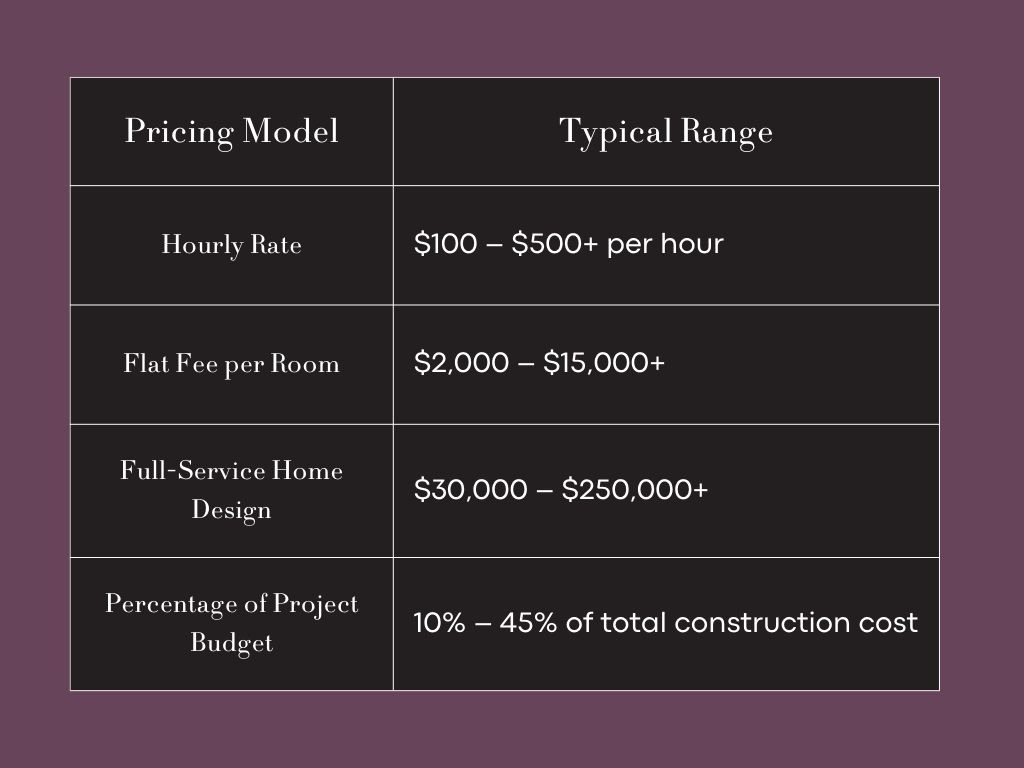
According to a 2024 Houzz survey, the average homeowner spends between $12,000 to $20,000 to hire an interior designer for a full-room design. For a large custom home project, the cost can easily exceed six figures, especially when remodeling or building from scratch.
How Much Do Interior Designers Charge? Pricing Models Explained
So, how much do interior designers charge? Designers don’t all charge the same way. Understanding the different pricing models can help you make a smart decision, and avoid surprises later.
Here are the four most common ways designers charge:
1. Hourly Rate
This is one of the most straightforward pricing options.
- Best for: Small spaces, consultations, or help choosing furniture
- What to expect: You’re billed based on the time the designer spends working on your project (planning, shopping, sourcing, installing, etc.)
- Typical cost: $100–$500+ per hour
Hourly rates may sound affordable at first, but costs can add up if the project grows. Always ask for an estimated number of hours up front.
2. Flat Fee
Some designers offer a set price for the entire job. This is common in full-service design firms like Duet Design.
- Best for: Clients who want a full-home transformation or a clear, all-inclusive price
- How it works: You’ll get a contract that outlines what’s included, from mood boards and layouts to install day
- Typical range: $2,000–$15,000+ per room, and much higher for full-home or custom projects
Flat fees provide transparency and predictability, which many homeowners prefer.
3. Percentage of the Project Budget
In larger design-build or renovation projects, many designers charge a percentage of the total budget.
- Common range: 10%–30%
- Example: On a $500,000 build, a 15% design fee would be $75,000
It aligns the designer’s effort with the scale of the project. The more complex the work, the more time and resources are needed.
4. Markup on Products
This is when a designer purchases materials, furniture, or fixtures on your behalf, and adds a markup to cover their time, trade discounts, and delivery logistics.
- Typical markup: 10%–35%
- What’s included: Sourcing, ordering, handling backorders, coordinating shipping, and managing installations
Always ask your designer how procurement and markups work. At Duet Design, everything is clearly documented and transparent, you’ll always know what you’re paying for and why.
Can I hire a designer just for one room?
Yes! Many people hire designers for just one space, like a kitchen, living room, or bedroom. Just keep in mind that setup costs and design time don’t shrink as much as you’d think, especially if you’re looking for custom, high-quality results.
Can a designer help me save money?
Yes, especially long-term. Designers help you avoid bad purchases, costly mistakes, and do-overs. They also know where to invest and where to save (like splurging on custom cabinetry and saving on décor).
What’s the difference between a decorator and a designer?
A decorator focuses mainly on aesthetics, furnishings, colors, accessories. A designer often has formal training and handles space planning, custom details, and coordination with builders and architects. The Duet Group specializes in full-service design and construction, making them a one-stop-shop.
What Impacts Interior Design Cost?
So, you’ve been asking: how much does an interior designer cost? The truth is, there’s no one-size-fits-all answer. That’s because many factors go into the final price, and understanding them can help you better plan your budget.
Here are the biggest things that affect how much you might pay:
1. Size of the Space
This one’s pretty straightforward. Designing a small city condo costs less than designing a large estate.
- Example: A 1-bedroom apartment may only need a few furniture selections and some styling. A 6,000-square-foot custom home? That’s a full-service project involving space planning, custom pieces, and detailed coordination.
- Why it matters: More square footage means more rooms, more details, and more decisions to make, which takes more time from your design team.
2. Level of Detail
Not all design is created equal. The more customized the work, the more time, skill, and collaboration are required.
- Are you choosing from ready-made furniture, or are you creating custom pieces from scratch?
- Do you want detailed cabinetry drawings? Specialty lighting? Handcrafted finishes?
These things take planning, precision, and expert vendors, and that adds to the total cost. But it also adds a level of uniqueness and quality that lasts.
3. Scope of the Project
Are you refreshing a room, remodeling your kitchen, or starting from the ground up with a new build?
- Redecorating: Usually involves styling, furnishings, and accessories.
- Renovating: Adds layers like electrical, flooring, structural layout, and appliances.
- New Construction: Includes everything from floor plans and materials to hardware and millwork.
The bigger the project, the more coordination is needed, which naturally increases your investment.
4. Location
Where you live plays a big role in pricing. Designers in major cities like New York, Los Angeles, or Denver often charge more due to higher demand and cost of living.
Even within a single state, prices can vary significantly based on neighborhood, local trades, and available resources.
Pro Tip: Look for a designer with experience in your area. They’ll know local suppliers, contractors, and permit requirements, which can save time and money.
5. Timeline
Rushing a project almost always costs more.
- If you need everything done in a few weeks, your designer may have to prioritize your job, pay rush fees to vendors, or schedule overtime with contractors.
- On the other hand, if you allow for a longer and more thoughtful process, you’ll likely avoid those premium charges, and benefit from better results.
At Duet Design, most clients seek full-home, deeply considered design experiences. These aren’t just about furniture, they’re about shaping the flow of your home, integrating design with architecture and construction, and customizing every detail. That’s why Duet’s design fees reflect both the scope and the long-term value of the work.
Is Hiring an Interior Designer Worth the Cost?
This is one of the most common questions we hear, and it’s an important one. When thinking about how much does an interior designer cost, it helps to also ask: What am I getting for that investment?
According to a 2023 study by the American Society of Interior Designers, over 90% of homeowners said hiring a designer improved their experience, helped avoid costly mistakes, and increased their satisfaction with the finished space.
Here’s why it’s worth every penny:
You’ll Avoid Expensive Mistakes
A designer helps prevent errors like buying the wrong-size furniture, poor lighting choices, or clashing materials. Fixing these issues later usually costs more than doing it right from the start.
You Get Access to Exclusive Resources
Designers often have access to trade-only vendors, custom fabricators, and showrooms the public can’t visit. This means better options, better quality, and often better pricing.
Your Space Will Work, Not Just Look Good
A designer sees the big picture. They’ll consider how your rooms function, how natural light flows, and how to make your home feel both beautiful and comfortable.
You Save Time and Reduce Stress
A designer takes the weight off your shoulders. No more second-guessing decisions or wasting hours online. They handle the details, deadlines, and vendor coordination so you can focus on enjoying the process.
You Get a Space That Reflects Your Life
A great design isn’t just about style, it’s about meaning. Your home should reflect your story, your lifestyle, and your future. That’s what Duet’s design process is built around: legacy, clarity, and care.
How to Get the Most from Your Budget
Worried that hiring a designer means blowing your budget? It doesn’t have to.
Here’s how to be smart and strategic:
Be Honest About Your Budget from the Start
Designers aren’t judging you, they’re trying to help. When they know your limits, they can suggest smart alternatives and make every dollar count.
Prioritize the Most-Used Spaces
Focus on high-impact areas like kitchens, living rooms, and primary bedrooms. These rooms influence your daily comfort the most.
Ask About Phasing
If your dream home is more than you can take on at once, ask if the project can be done in stages. Many Duet clients design in phases, without sacrificing vision or quality.
Understand What’s Included
Ask your designer to clearly outline what the design fee covers. Does it include purchasing, installations, and final styling? Knowing this upfront avoids surprise costs.
Communicate and Ask Questions
Great design is a collaboration. Don’t be afraid to speak up, ask questions, or request updates. A good designer welcomes it, and it leads to better results.
When Should You Hire an Interior Designer?
The earlier, the better.
If your project involves remodeling, building, or major layout changes, your designer should be one of the first people you bring on board, right alongside your architect or builder.
Here’s why:
They Catch Layout Issues Early
Designers often spot problems that others miss, like poor furniture flow, wasted space, or missed storage opportunities. Fixing those before construction saves serious time and money.
They Plan for Lighting and Furniture
A well-designed home isn’t just walls and floors. Designers plan for where lamps will sit, how art will be lit, and how rooms will feel once you live in them, not just when they’re empty.
They Help Avoid Costly Redesigns Mid-Project
Nobody wants to rip out tile or move a wall mid-way through construction. A designer helps create a clear plan upfront so changes aren’t needed later.
They Become a Trusted Partner
Designers like Duet Design work as collaborators. They manage vendors, answer your questions, and guide you through decisions, so the entire process feels calm, structured, and clear.
How Much Does an Interior Designer Cost?
Now that you know how much an interior designer costs, you can make a decision with clarity and confidence.
The truth is, a great designer doesn’t just decorate, they solve problems, save you time, and help create a home that’s aligned with your values, your legacy, and your lifestyle.
Whether you’re downsizing with intention or expanding into your forever home, The Duet Group offers a full-service approach grounded in process, precision, and partnership. Click here to learn more about our full-service interior design offerings or feel free to contact us directly, we’d be honored to help you create a home built to last.