Indoor outdoor living has become one of the defining priorities in modern custom home design. More homeowners want spaces that feel connected to nature while still supporting comfort, privacy, and long-term functionality. Large glass walls, covered terraces, outdoor kitchens, and open layouts have all become increasingly popular, but successful indoor outdoor living goes much deeper than aesthetics alone.
The strongest homes are planned around how people actually live. They are designed to support movement, routines, entertaining, wellness, and long-term comfort in a natural and effortless way. This requires careful coordination between architecture, structural planning, interior design, landscape design, and construction management from the beginning of the project.
At The Duet Group, we believe indoor outdoor living should feel intentional rather than performative. A well-designed home does not simply open to the outdoors. It creates a relationship between interior and exterior spaces that improves the overall experience of living in the home.
For today’s homeowners, especially those focused on quality, longevity, and legacy, indoor outdoor living is less about trends and more about creating a home that continues to function beautifully for years to come.
Why Indoor Outdoor Living Begins Long Before Construction
Many people think indoor outdoor living starts with selecting outdoor finishes or deciding where to place a patio. In reality, the success of these spaces is determined much earlier.
The most important decisions often happen during the planning stage. Structural systems, site orientation, circulation paths, lighting, and material selection all affect whether the home will feel cohesive and functional over time.
Homes that are not carefully planned often develop problems that reduce usability. Outdoor spaces may become too hot during certain times of day. Furniture layouts may interrupt circulation. Large glass openings may create energy inefficiencies or maintenance concerns. In some cases, outdoor spaces simply become areas that look impressive but rarely get used.
Strong indoor outdoor living requires every part of the home to work together. Architecture, interiors, and landscape design should feel connected rather than treated as separate projects.
This level of coordination has become especially important as homeowners increasingly prioritize homes that support multiple aspects of daily life, including entertaining, remote work, aging in place, and wellness-focused living.
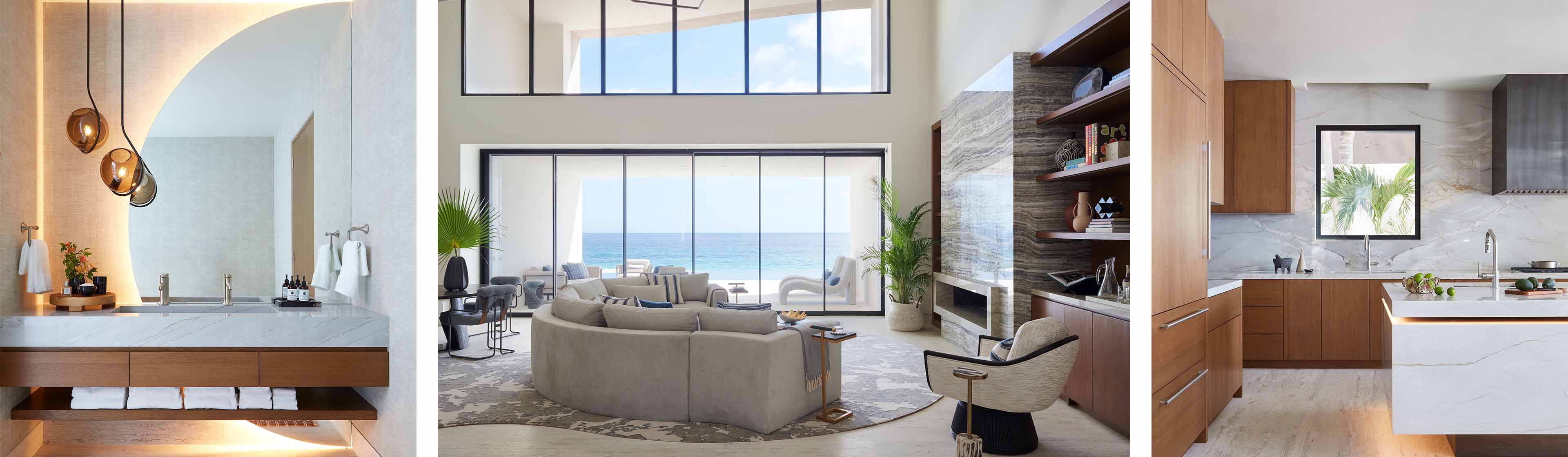
Structural Planning Shapes the Entire Experience
One of the most overlooked parts of indoor outdoor living is structural planning. While homeowners often focus on finishes and furnishings, the structural framework of the home largely determines how successful these spaces will be.
Large Openings Require Careful Coordination
Large sliding glass walls and oversized openings are often central to indoor outdoor living. These features allow natural light to move deeper into the home while visually connecting interior spaces to outdoor environments.
However, these openings require substantial engineering and planning.
Without proper support systems, large openings can create long-term issues such as water intrusion, structural movement, uneven floor transitions, energy inefficiency, difficult door operation, and increased maintenance needs.
This becomes even more important in climates with heavy snow, dramatic temperature swings, or strong wind exposure.
Many of the most important structural elements are hidden once the home is complete. Steel supports, waterproofing systems, concealed drainage, and reinforced framing may never be visible, but they play a major role in how the home performs over time.
Floor Transitions Affect Comfort and Functionality
One detail that strongly impacts indoor outdoor living is the transition between interior and exterior flooring.
When these transitions are handled well, the spaces feel seamless and connected. When handled poorly, the home can feel visually disconnected and uncomfortable to navigate.
Creating flush floor transitions requires careful planning around drainage, slope, waterproofing, and foundation elevation. Exterior surfaces still need to move water away from the home while maintaining visual continuity with the interior flooring.
This is one reason indoor outdoor living works best when considered early in the architectural process rather than added later during construction.
Covered Outdoor Areas Extend Everyday Use
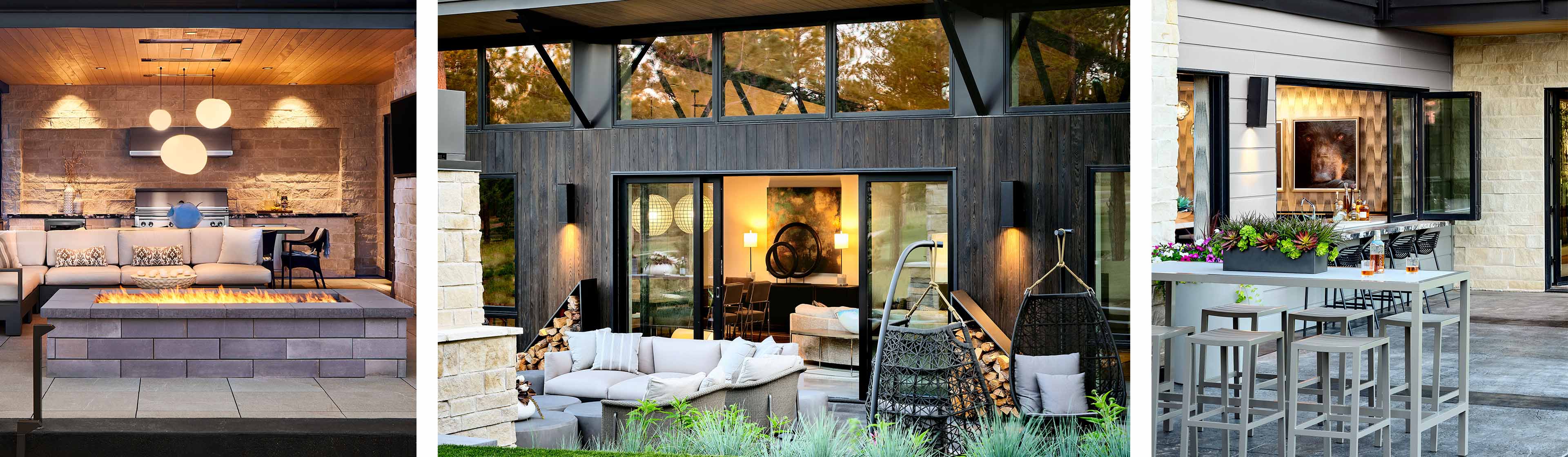
Covered outdoor spaces have become increasingly valuable because they allow homeowners to use exterior areas more consistently throughout the year.
These spaces provide more than weather protection. They also help regulate temperature, reduce interior heat gain, and improve comfort during different seasons. A thoughtfully designed covered terrace can function as an outdoor dining area, a quiet retreat, or an extension of the main living space depending on how the home is used.
The strongest projects integrate these covered areas directly into the architecture so they feel like part of the home rather than additions attached afterward.
Why Layout Matters in Indoor Outdoor Living
Indoor outdoor living is ultimately about movement and functionality. A beautiful home can still feel frustrating if the layout does not support the way people naturally move through the space.
This is where thoughtful planning becomes essential.
The Kitchen Often Becomes the Central Connection Point
In many homes, the kitchen acts as the primary transition point between indoor and outdoor living areas.
When planned carefully, the kitchen can support entertaining, family interaction, and outdoor dining in a way that feels intuitive and efficient.
However, successful layouts require more than simply placing doors near the kitchen. The surrounding circulation patterns matter just as much. Guests should be able to move naturally between spaces without interrupting workflow, and outdoor dining areas should feel connected without making the kitchen feel overcrowded during gatherings.
Visibility also matters. Many homeowners want clear sightlines to pools, terraces, or family gathering areas from central rooms within the home. These details may seem small individually, but together they shape the overall comfort and usability of the space.
Different Outdoor Spaces Should Serve Different Purposes
One of the biggest mistakes in indoor outdoor planning is trying to make one outdoor area support every activity.
The best homes often include multiple outdoor environments with different levels of privacy and functionality. A quiet terrace connected to the primary suite creates a different experience than a larger entertaining patio or family-focused outdoor lounge.
This layering creates emotional variety throughout the property and allows the home to support different moods and routines throughout the day.
For affluent homeowners focused on long-term living, this type of intentional planning often becomes more valuable than oversized outdoor spaces designed primarily for visual impact.
Indoor Outdoor Planning and Climate Response
Strong indoor outdoor planning always responds to the environment surrounding the home.
Many outdoor spaces fail because they were designed around appearance instead of actual climate conditions.
Site Orientation Changes Everything
The direction the home faces affects natural light, heat gain, glare, wind exposure, and outdoor comfort throughout the year.
For example, west-facing outdoor areas may become difficult to use during summer afternoons without proper shading strategies. High-elevation homes may require completely different planning approaches than coastal homes exposed to humidity and salt air.
The most successful projects respond specifically to their site rather than relying on generic layouts or trends.
Shade and Protection Increase Long-Term Comfort
Shading strategies play a major role in indoor outdoor living because they improve comfort while protecting materials from long-term sun exposure.
Roof overhangs, pergolas, covered walkways, landscape elements, and motorized screens can all help improve usability while making outdoor spaces feel more refined and intentional.
These decisions also improve long-term performance by helping reduce cooling loads and protecting furnishings and finishes from UV damage.
Material Selection Affects Long-Term Value
Material continuity is one of the defining characteristics of successful indoor outdoor living. The transition between spaces should feel cohesive while still allowing each material to perform properly in its environment.
Indoor and Outdoor Materials Must Perform Differently
Many homeowners request matching flooring materials inside and outside to create visual flow. While this can work beautifully, materials still need to be selected based on climate and durability.
A material that performs well indoors may deteriorate outdoors due to moisture exposure, freeze-thaw cycles, or direct sunlight. Safety must also be considered, especially in areas exposed to water or snow.
Luxury homes should feel refined, but they should also support realistic long-term maintenance expectations.
Homes that continue looking beautiful ten or twenty years after construction are rarely accidental. They result from disciplined planning and thoughtful specification decisions made early in the process.
Homes Should Age Gracefully
One of the defining qualities of a well-designed home is how it ages over time.
The goal is not to keep every surface looking untouched forever. Instead, the goal is to select materials that develop character naturally while maintaining their integrity and appearance.
Thoughtful material selection considers weather exposure, maintenance requirements, cleaning expectations, and how finishes will evolve over time. This becomes especially important in indoor outdoor living environments where exterior materials are constantly visible from inside the home.
The Emotional Impact of Indoor Outdoor Living
Indoor outdoor living affects more than functionality. It also shapes how a home feels emotionally.
Research continues to show that access to natural light, outdoor views, and nature-connected environments can positively affect stress levels, focus, sleep, and overall wellbeing.
However, the emotional impact depends on more than simply increasing window size.
Visual Continuity Creates Calm
Homes that maintain strong visual connections between interior and exterior environments often feel larger, calmer, and more balanced.
This can be achieved through careful alignment of sightlines, ceiling heights, materials, landscaping, and architectural framing. These details guide the eye naturally outward and create a stronger sense of openness throughout the home.
Acoustics and Privacy Matter
Sound and privacy are often overlooked during indoor outdoor planning.
Even visually beautiful outdoor spaces can feel uncomfortable if they are exposed to traffic noise, mechanical equipment, or nearby neighbors. Thoughtful planning may include strategic landscaping, equipment placement, privacy walls, or acoustic buffering to improve comfort throughout the property.
These details often have a major impact on how relaxing and usable the spaces feel day to day.
Why Indoor Outdoor Living Adds Long-Term Value
Well-designed indoor outdoor living spaces often improve both lifestyle value and resale value.
Today’s homeowners expect homes to support flexibility and long-term living patterns. Outdoor spaces are increasingly viewed as extensions of the interior rather than separate amenities.
This is especially important as more families prioritize wellness routines, remote work, multi-generational living, and aging in place.
Better Planning Reduces Future Renovations
Thoughtful planning can also reduce the need for major future modifications.
For example, early planning may already account for future outdoor heating systems, expanded gathering spaces, additional landscaping, or evolving accessibility needs.
This level of foresight helps protect the long-term investment of the home while allowing the property to adapt naturally over time.
Common Indoor Outdoor Living Mistakes
Even luxury homes can struggle when indoor outdoor living is not approached thoughtfully.
Treating Outdoor Spaces as Separate Projects
One of the most common mistakes is designing the house first and addressing the outdoor spaces later.
This often creates problems with drainage, circulation, structural coordination, and visual consistency.
The strongest projects integrate architecture, interiors, landscape, and construction planning together from the beginning.
Designing for Occasional Use Instead of Daily Life
Some homeowners prioritize oversized entertaining spaces that are only used a few times each year.
The best homes focus on spaces that improve everyday life rather than occasional events alone. Smaller, highly functional spaces often provide more long-term value than oversized areas designed primarily for visual impact.
Ignoring Seasonal Comfort
Outdoor spaces without proper heating, shading, lighting, or wind protection often become uncomfortable during large portions of the year.
Long-term usability should always guide planning decisions.
The Future of Indoor Outdoor Living
Luxury residential design continues shifting toward performance-driven living rather than excess.
Homeowners are increasingly asking thoughtful questions about how their homes will function over time. They want homes that support longevity, flexibility, comfort, ease of maintenance, and family connection.
Indoor outdoor living connects directly to all of these priorities.
The strongest homes are no longer defined only by size or visual drama. They are defined by intentionality, functionality, and the ability to support everyday life in a calm and refined way.
This is especially important for homeowners focused on legacy and long-term stewardship rather than short-term trends.
Why an Integrated Design-Build Process Matters
Indoor outdoor living requires close coordination between many different disciplines.
Architecture, interior design, landscape design, structural engineering, and construction management all affect one another throughout the project.
When these teams operate independently, homeowners often experience delays, budget surprises, and design inconsistencies.
An integrated design-build process creates greater alignment because decisions are evaluated together rather than separately.
Many homeowners today value this type of collaboration because it creates more clarity, transparency, and trust throughout the process.
Indoor Outdoor Living
Indoor outdoor living is about much more than creating attractive exterior spaces. At its best, it creates homes that feel connected, intentional, and supportive of everyday life.
The most successful projects begin with thoughtful planning long before finishes and furnishings are selected. Structural systems, site orientation, circulation, material performance, and climate responsiveness all shape how the home functions over time.
When approached carefully, indoor outdoor living can improve comfort, flexibility, wellness, and long-term value while creating a home that feels deeply connected to both its environment and the people who live there.
At The Duet Group, we believe the strongest homes are created through precision, collaboration, and long-term thinking. If you are planning a custom home or renovation and want to explore how indoor outdoor living can support your lifestyle and future goals, we invite you to learn more about our process or contact Duet Design Group to learn more.